Fundraising Videos and Charity Animated Videos for Nonprofit | Animwood


AUTHOR: Rafał CATEGORY: Non-profit animations

Nonprofits, NGOs and foundations often work with subjects that are difficult to explain in a short video. Poverty, climate change, public health, humanitarian aid, environmental policy and social inequality involve complex information and real human experiences.

Animation can make these subjects easier to understand.

It can explain complex ideas, visualize research and data, tell sensitive human stories and show situations that would be difficult or impossible to film. This makes animation useful for fundraising campaigns, advocacy, education, awareness and social-impact communication.


Why use animation for nonprofit and fundraising videos?

A nonprofit video needs to do more than present information. It needs to help the audience understand why an issue matters and remember the message.

Animation gives the production team control over the story and visual language. Characters, illustrations, typography, diagrams, data and sound can be combined to communicate an idea in a clear and engaging way.

It can also make abstract concepts easier to visualize. A donation can become a journey. A complex policy can become a visual process. Research can become an animated story.

For international organizations, animation can also be adapted for different languages, audiences and digital platforms.

What types of videos can nonprofits create with animation?

Animation can be used for fundraising videos, nonprofit explainers, awareness campaigns, advocacy films, educational content and social-impact stories.

A fundraising video might show what a donation can achieve. An NGO campaign might explain a humanitarian issue. A foundation might use animation to communicate its impact. A policy organization might use an animated explainer to make research or legislation easier to understand.

The format should follow the communication objective rather than the other way around.


How can animation help a fundraising campaign?

A fundraising video needs to make the impact of giving easy to understand.

For example, The Journey of a Dollar follows a single donation and shows how it can contribute to longer-term solutions to poverty.

Instead of explaining the impact of donations through statistics alone, the film turns the idea into a simple visual journey.

This is one of the strengths of animated fundraising videos. Animation can show processes, outcomes and connections that may be difficult to capture with live-action footage.


What type of animation works best for NGOs?

There is no single animation style that works for every nonprofit project.

Character animation can make a social issue personal. Hand-drawn animation can create a more human and expressive feeling. Motion graphics and vector animation can make research, policy and data easier to follow. Mixed media can combine photography, archival material and illustration.

The subject, audience and purpose of the video should determine the visual approach.

For example, World Relief uses character-focused storytelling to communicate the experience of people affected by forced displacement.

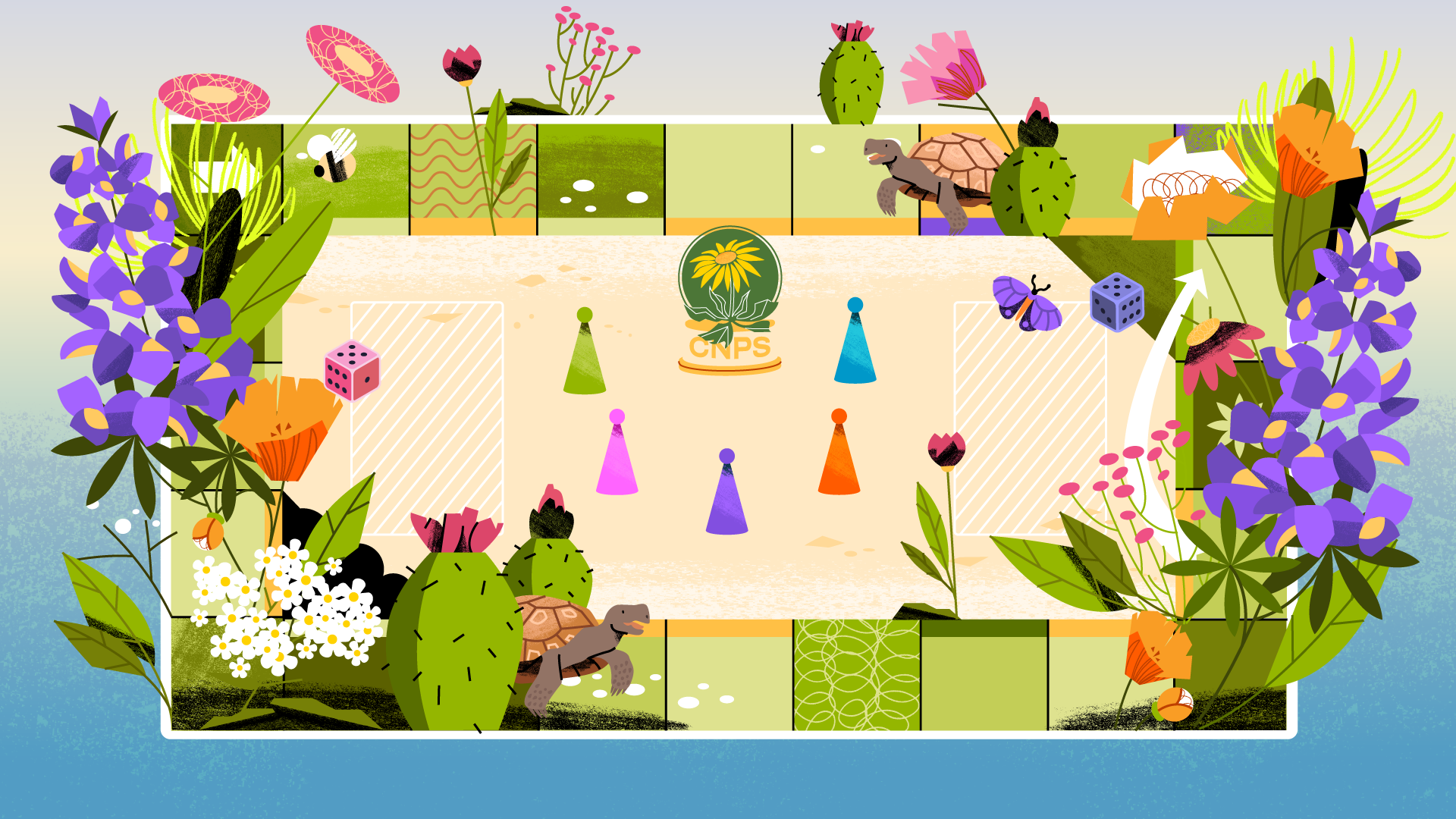
For environmental policy, animation can take a more graphic approach. The California Native Plant Society project uses animation to explain aspects of the California Environmental Quality Act and environmental protection.


Can animation tell sensitive human stories?

Yes. Animation can communicate difficult experiences without requiring events to be recreated through live action.

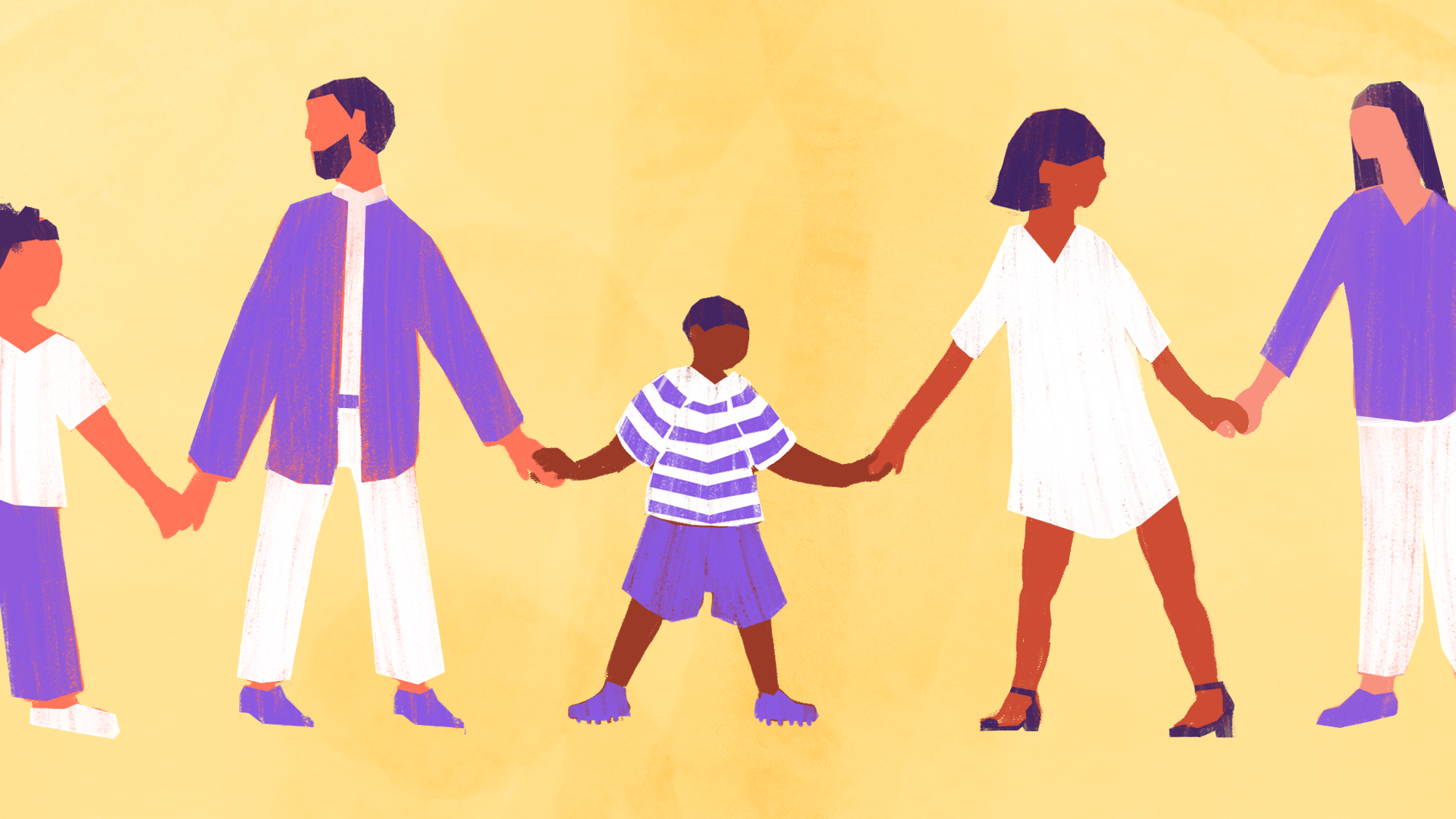
For APIL's Rebuilding Shattered Lives, an animated story follows a family dealing with the consequences of a serious accident.

The characters and visual direction allow the audience to focus on the human experience while avoiding the limitations of conventional filming.

This approach can be particularly useful for organizations working with health, humanitarian, social and advocacy issues.


Can NGOs combine live action and animation?

Yes. Animation and live action can work together in the same film.

Interviews and testimonials can provide the voice of a real person, while animation can visualize information that cannot be filmed.

For example, an interview can be supported by animated diagrams, archival photographs can transition into animated scenes, or a person's experience can be visualized through characters and environments.

This approach is also useful for documentary projects. Our guide to animation for documentaries looks at how animation can reconstruct memories, historical events and information for which no footage exists.


How can animation be used for advocacy and policy?

Policy, research and environmental subjects often contain complex information that is difficult to communicate through conventional video.

Animation can break this information into visual sequences, diagrams, characters and stories.

The California Native Plant Society project is one example of this approach. The animations explain how the California Environmental Quality Act works and why it matters for natural resources.

Animation can also make campaign messages more accessible to audiences who are not specialists in the subject.

Another example is Acumen's Food Talks campaign, where everyday foods were turned into animated characters to communicate the potential effects of climate change.


What makes a good nonprofit animation?

A strong nonprofit video should make three things clear:

What is the issue?

Why does it matter?

What should the audience understand, remember or do next?

The visual style should support these answers rather than distract from them.

A simple explainer may need clarity above everything else. A fundraising film may need a stronger emotional connection. An advocacy campaign may need memorable visual metaphors. A documentary may need to balance animation with real footage and archival material.

The best approach depends on the story.


Frequently asked questions about nonprofit animation

What is nonprofit animation?

Nonprofit animation is animated video created for NGOs, charities, foundations and social-impact organizations. It can be used for fundraising, education, advocacy, awareness campaigns, policy communication and storytelling.

Why is animation useful for NGOs?

Animation can simplify complex information, visualize data and processes, communicate sensitive subjects and show situations that are difficult to film. It can also be adapted for international audiences and different digital formats.

Can animation be used for fundraising?

Yes. Animated fundraising videos can explain where donations go, show potential impact and communicate an organization's mission. The Journey of a Dollar for Acumen is one example.

What types of nonprofits use animation?

NGOs, charities, foundations, humanitarian organizations, environmental groups, healthcare organizations, advocacy groups, educational institutions and policy organizations can all use animated video.

How much does nonprofit animation cost?

The cost depends on the video's length, visual style, number of characters and scenes, animation technique, script, voice-over, sound design, languages and delivery formats. A short motion-graphics video and a detailed character animation require very different production processes.

How long does an animated nonprofit video take to produce?

Production time depends on the complexity of the project. Script development, storyboarding, visual development, illustration, animation, sound and revisions all affect the schedule.

Can animation explain policy and research?

Yes. Animation can turn complex policy, research and technical information into visual stories, diagrams and animated sequences, making the subject easier for non-specialist audiences to understand.


 

Nonprofit animation production with Animwood

Animwood is a European animation studio based in Kraków, Poland, working internationally with nonprofits, NGOs, foundations and social-impact organizations.

The studio produces fundraising videos, nonprofit explainers, advocacy films, educational animations, campaign videos and animated documentary sequences.

Our nonprofit work includes projects for Acumen, World Relief, APIL, the Anti-Bullying Alliance and the California Native Plant Society, covering subjects such as poverty, humanitarian issues, environmental protection, climate change, education and social impact.

Examples of our work include The Journey of a Dollar for Acumen, World Relief, Rebuilding Shattered Lives for APIL and the Anti-Bullying Alliance animation.

Animwood can support the full production process, from concept and script development through storyboarding, illustration, animation, voice-over, sound design and final delivery.


If you are planning a fundraising campaign, NGO explainer, advocacy film or social-impact video, contact the Animwood team at

newbusiness@animwood.com 


SHARE IT

OUR SERVICES

EXPLAINER
VIDEO

ANIMATED FILMS

ANIMATED
COMMERCIALS

ANIMATED
CONTENT