Environmental policy nonprofit animation explaining environmental law, public participation, and community rights through a four-part animated video series.


Making Environmental Policy Easier to Understand
How can a nonprofit explain environmental law, development projects, and public participation without making the audience feel like they are reading a legal document?
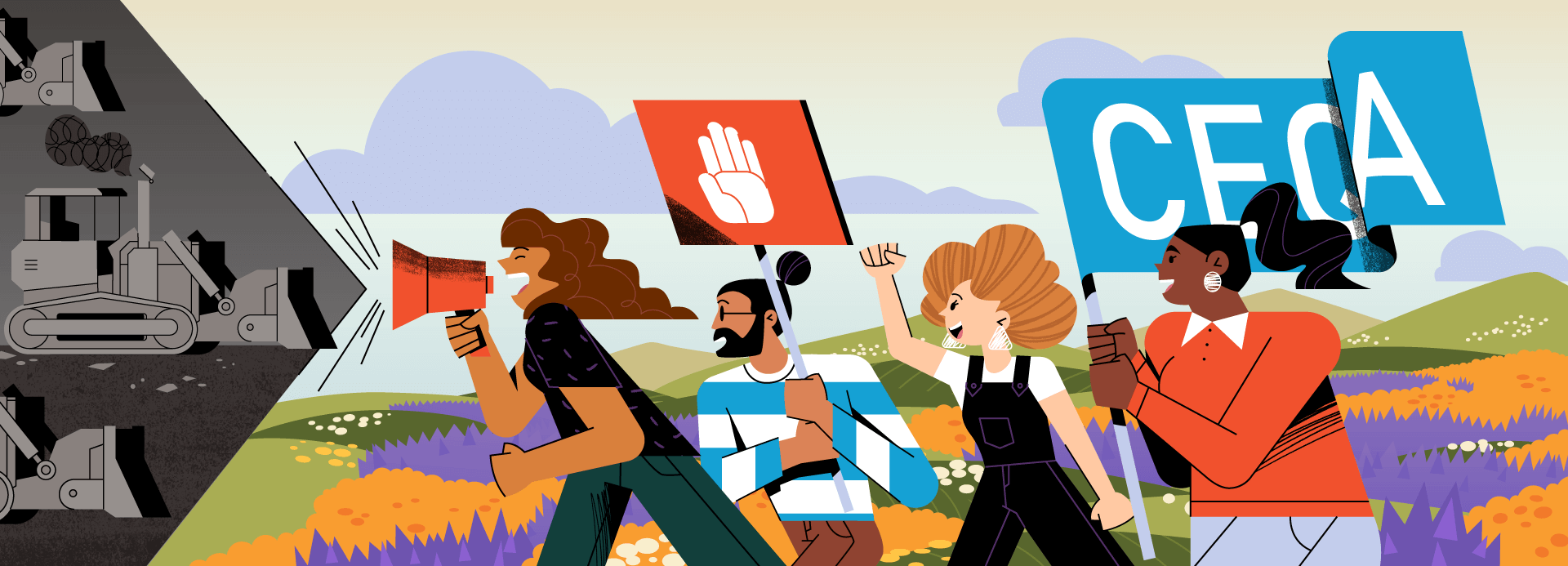
For the California Native Plant Society (CNPS), Animwood created a four-part animated explainer series about the California Environmental Quality Act (CEQA) and the public’s role in protecting California’s plants, wildlife, and natural environment from the environmental impacts of development projects.
The series was designed to make a complex policy process easier to understand for the general public. Across the videos, viewers learn about environmental rights, how to comment on proposed projects, and how public participation can influence decisions affecting local communities and the environment.
The project included a general campaign video alongside more detailed animated explainers focused on specific rights, legislation, and practical steps. Animation became a way to turn a complex environmental policy topic into a clear and approachable educational experience.
Big Idea, Narration and Creative Direction
Permits, legislation, and environmental regulations are important, but they are not always easy subjects to communicate.
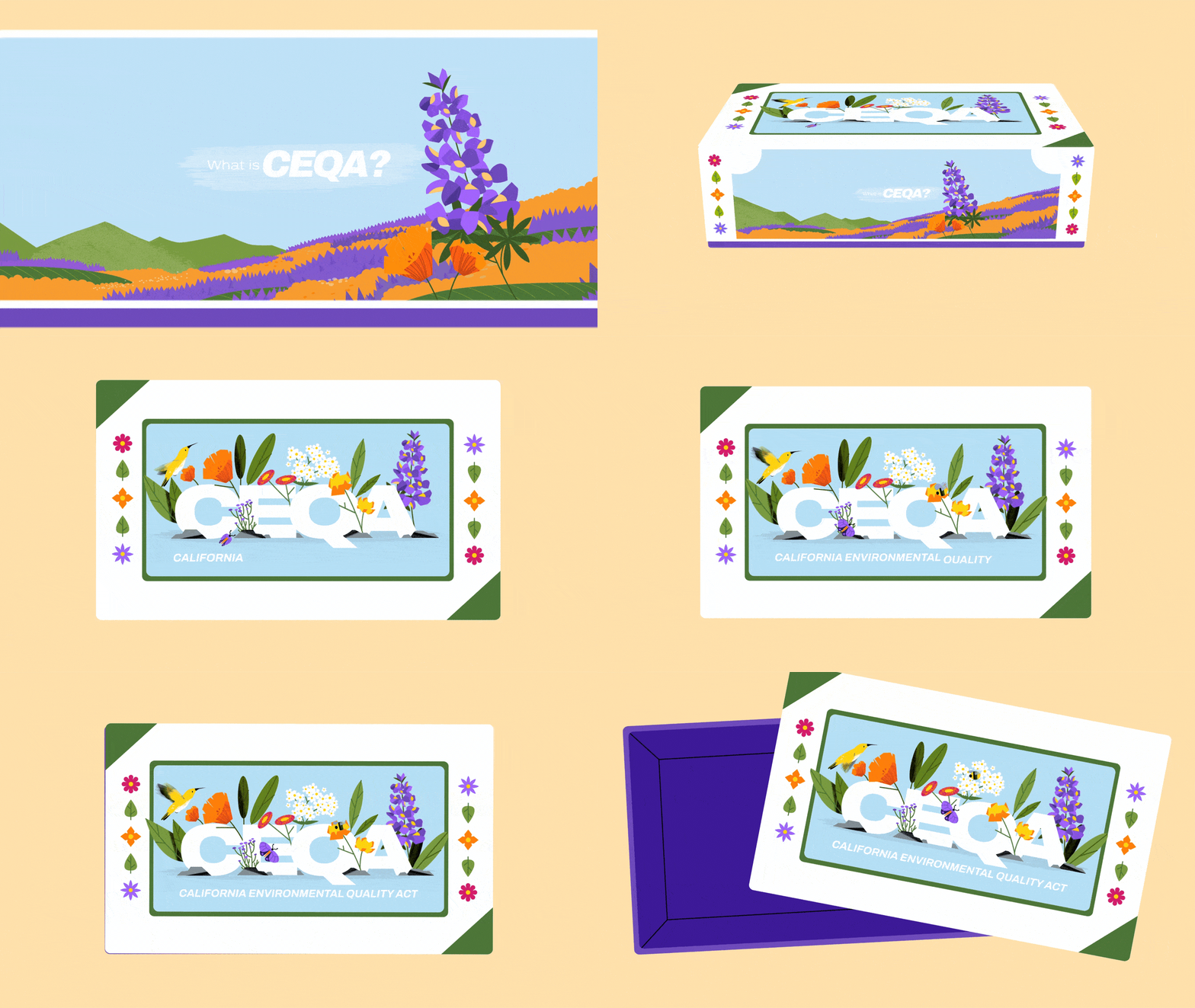
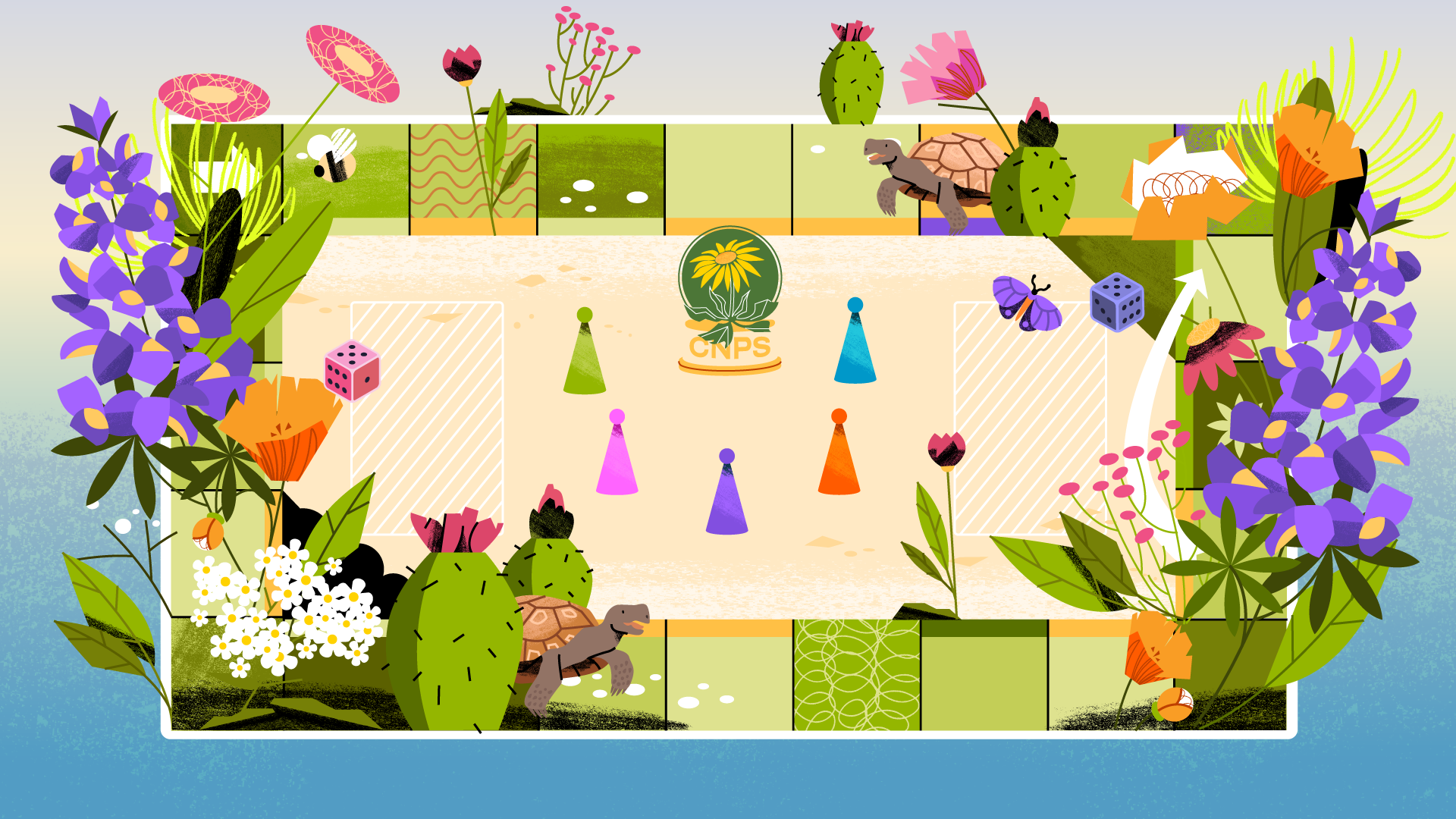
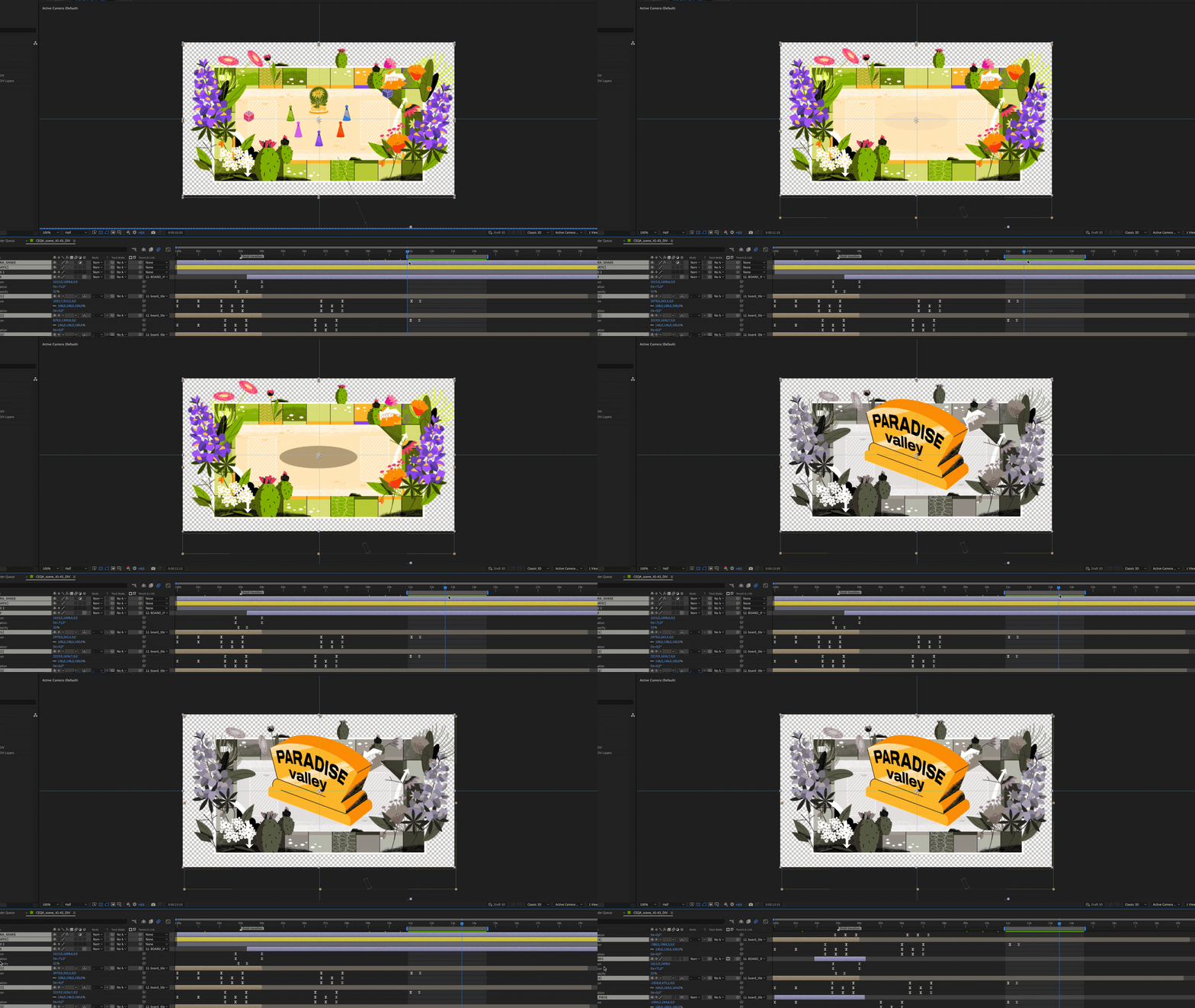
CNPS suggested using the language of board games as the creative starting point. We developed this idea into a visual system built around cards, game boards, and symbolic journeys through the policy process.
The game-inspired approach gave viewers a simple mental model for navigating complicated legal and environmental issues. Instead of presenting policy as a collection of documents and rules, the videos show it as a process in which people can understand where they are, what their options are, and what action they can take.
The narration was deliberately simple, direct, and approachable. The tone was designed to make environmental policy accessible to people without a legal or policy background while keeping the information useful for members of the local community.

Local Flora and Fauna
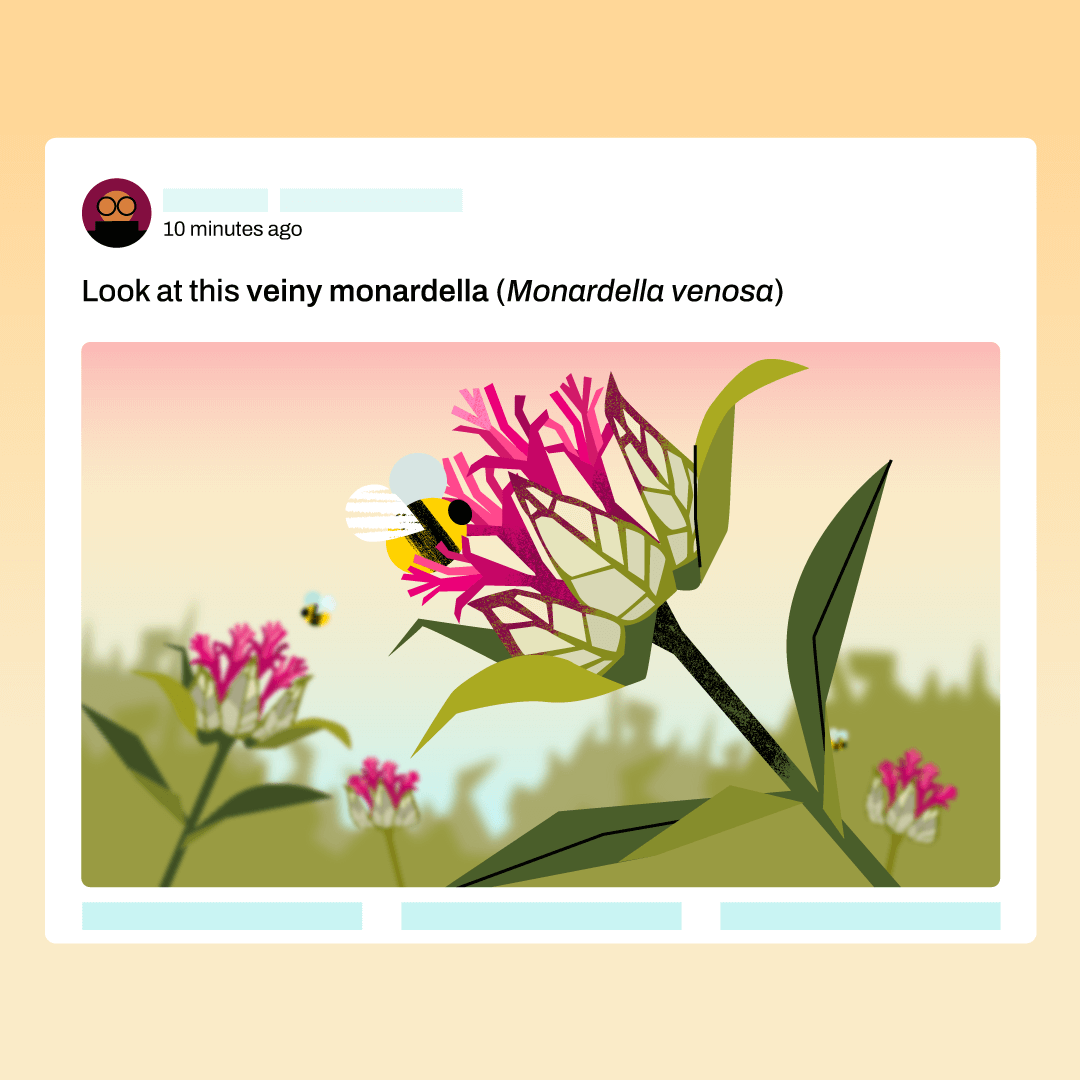
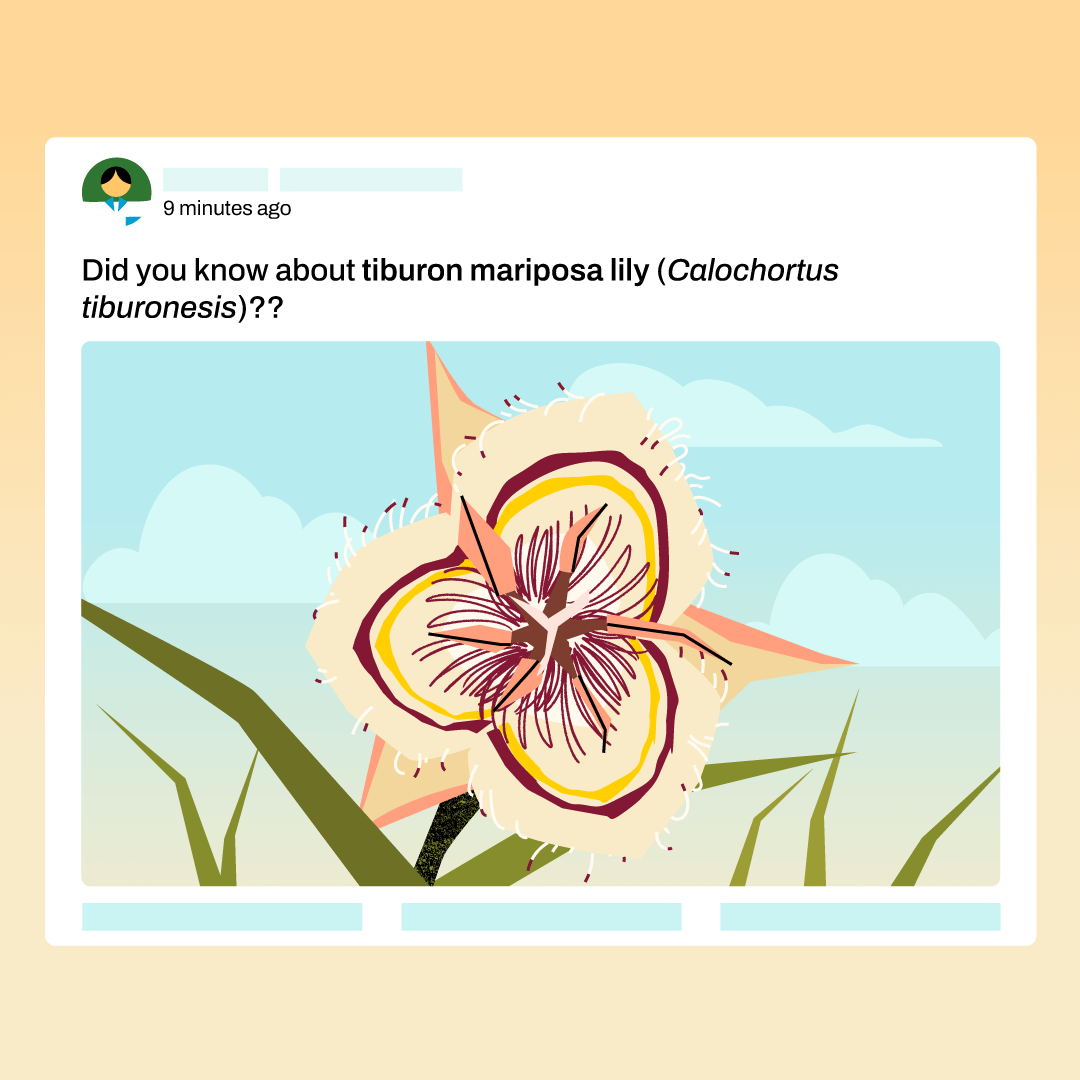
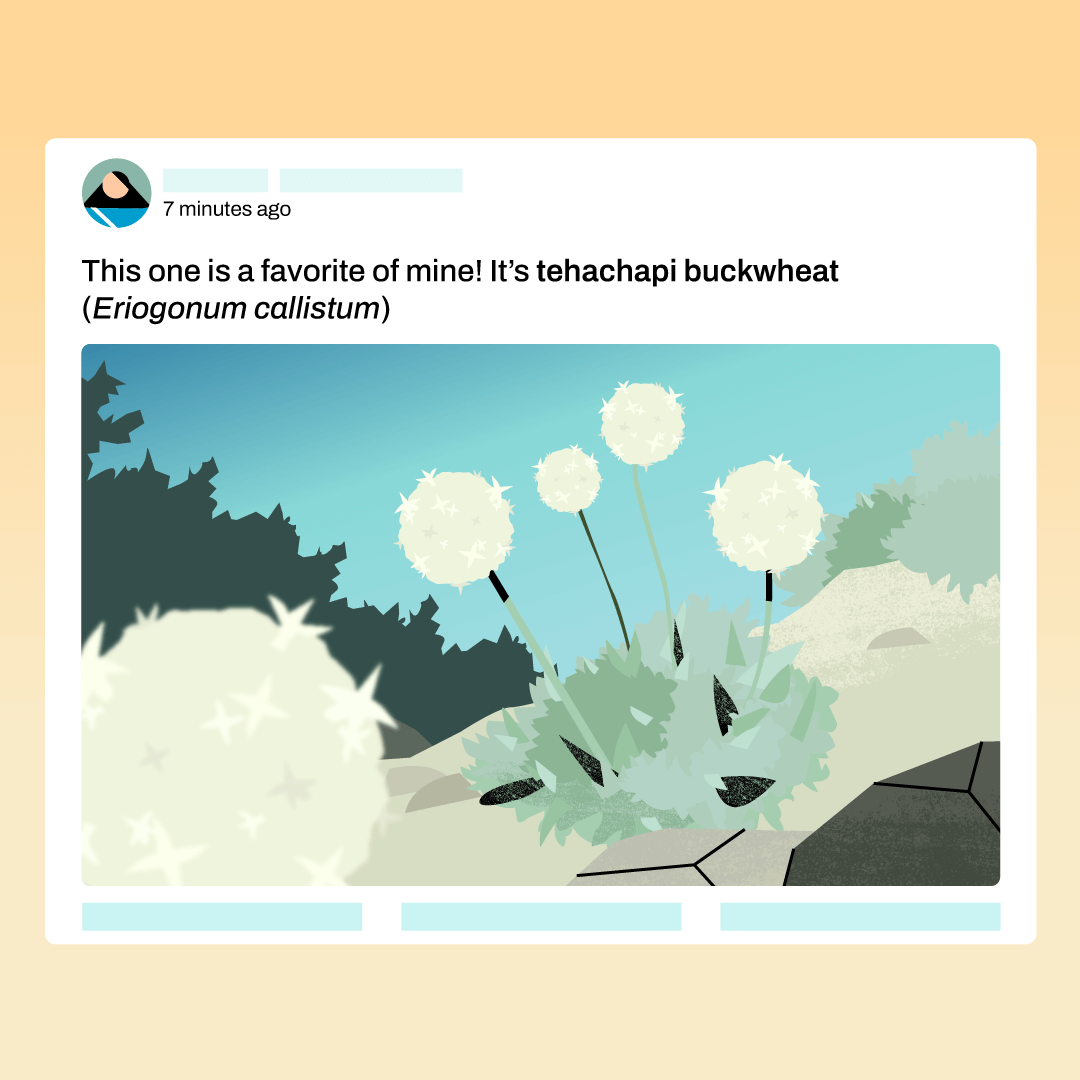
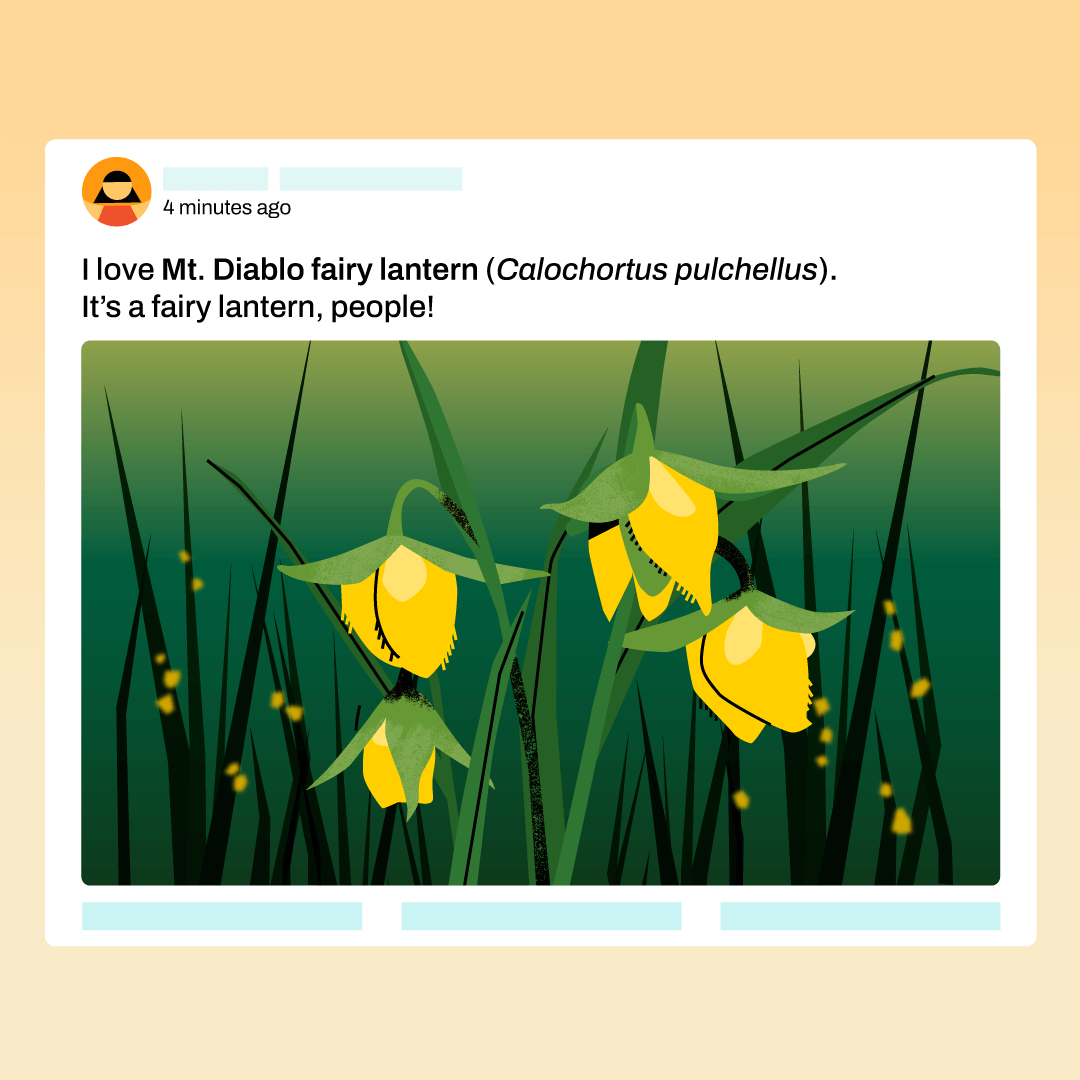
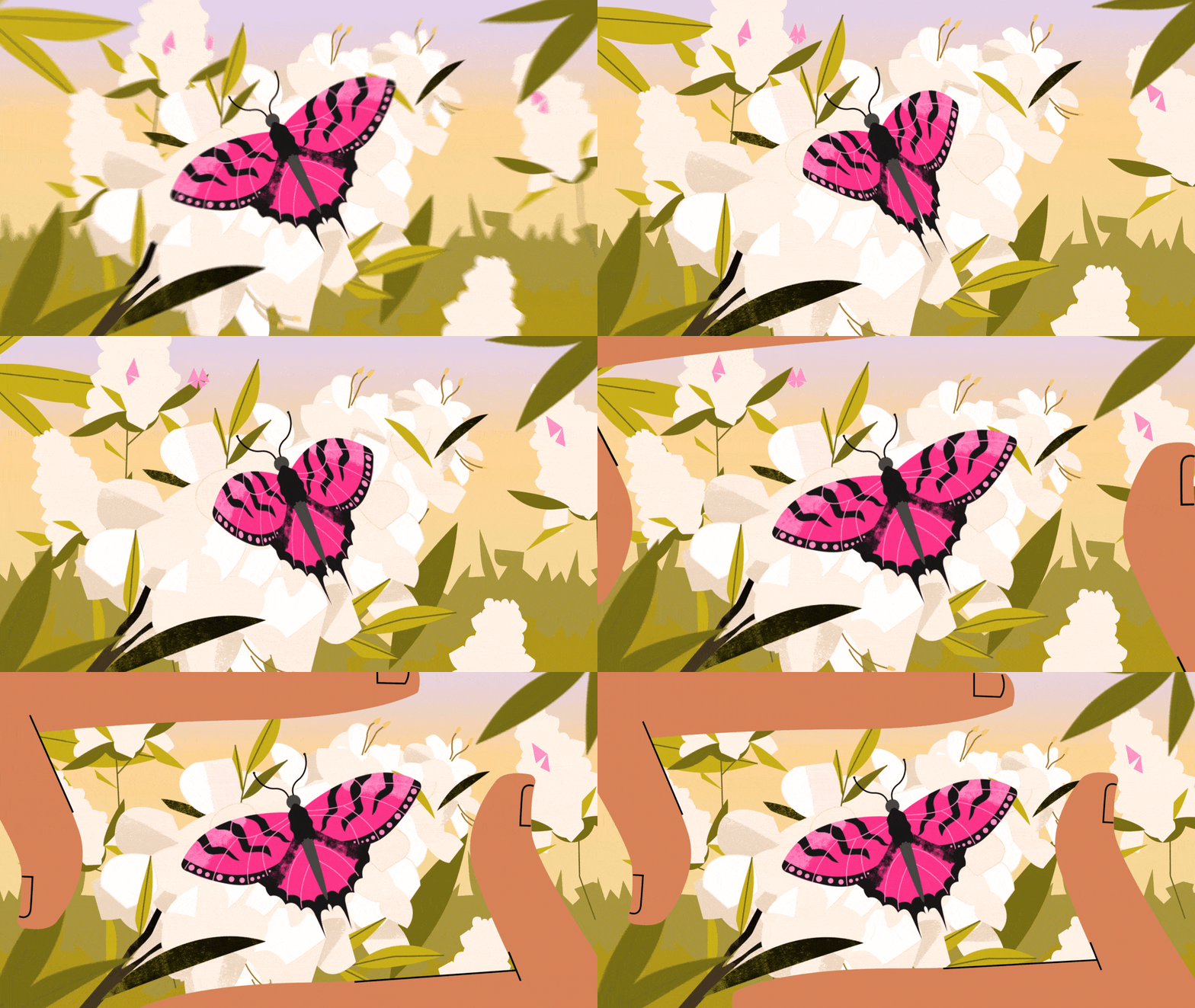
California's natural environment became an important part of the visual identity of the series.
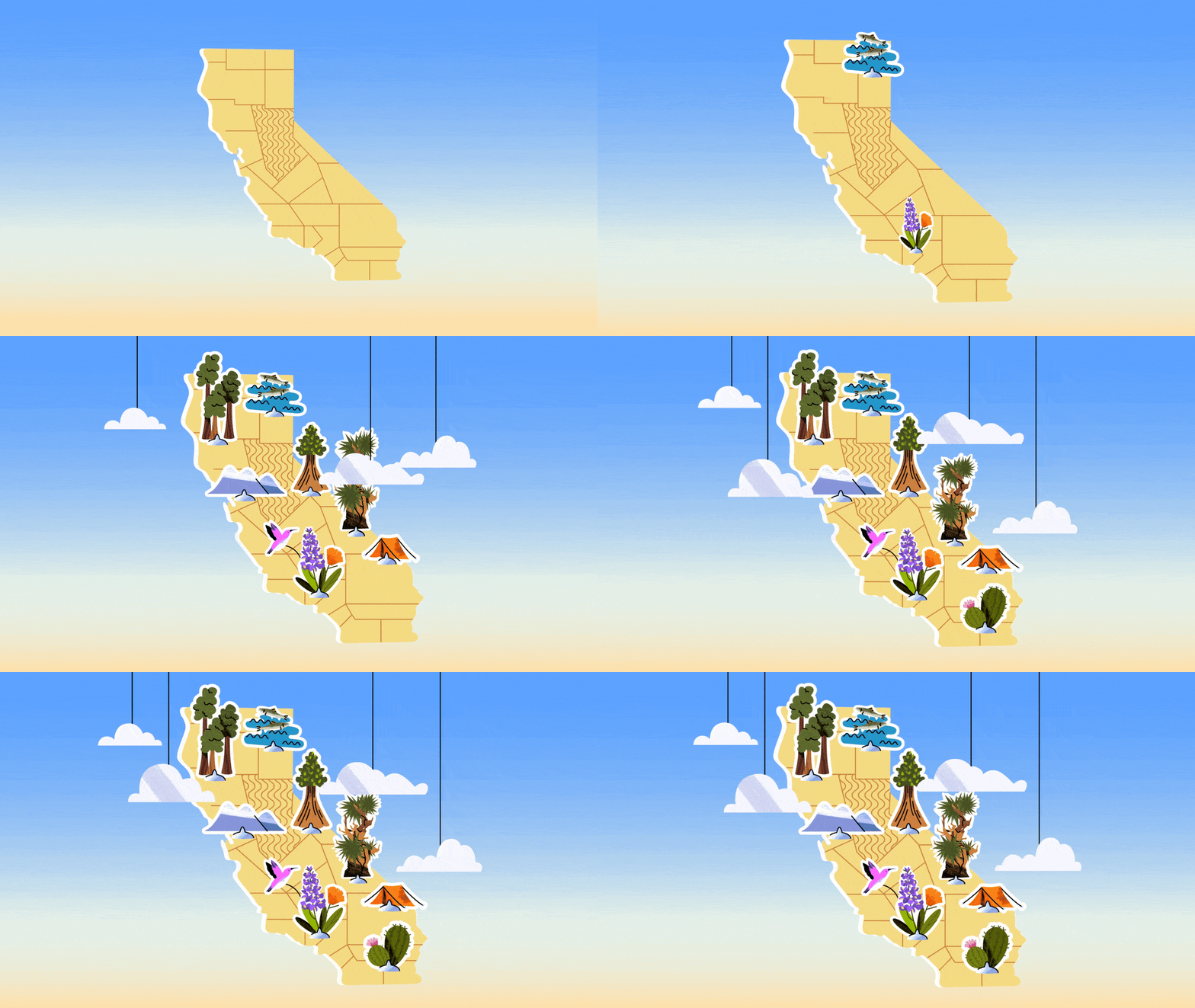
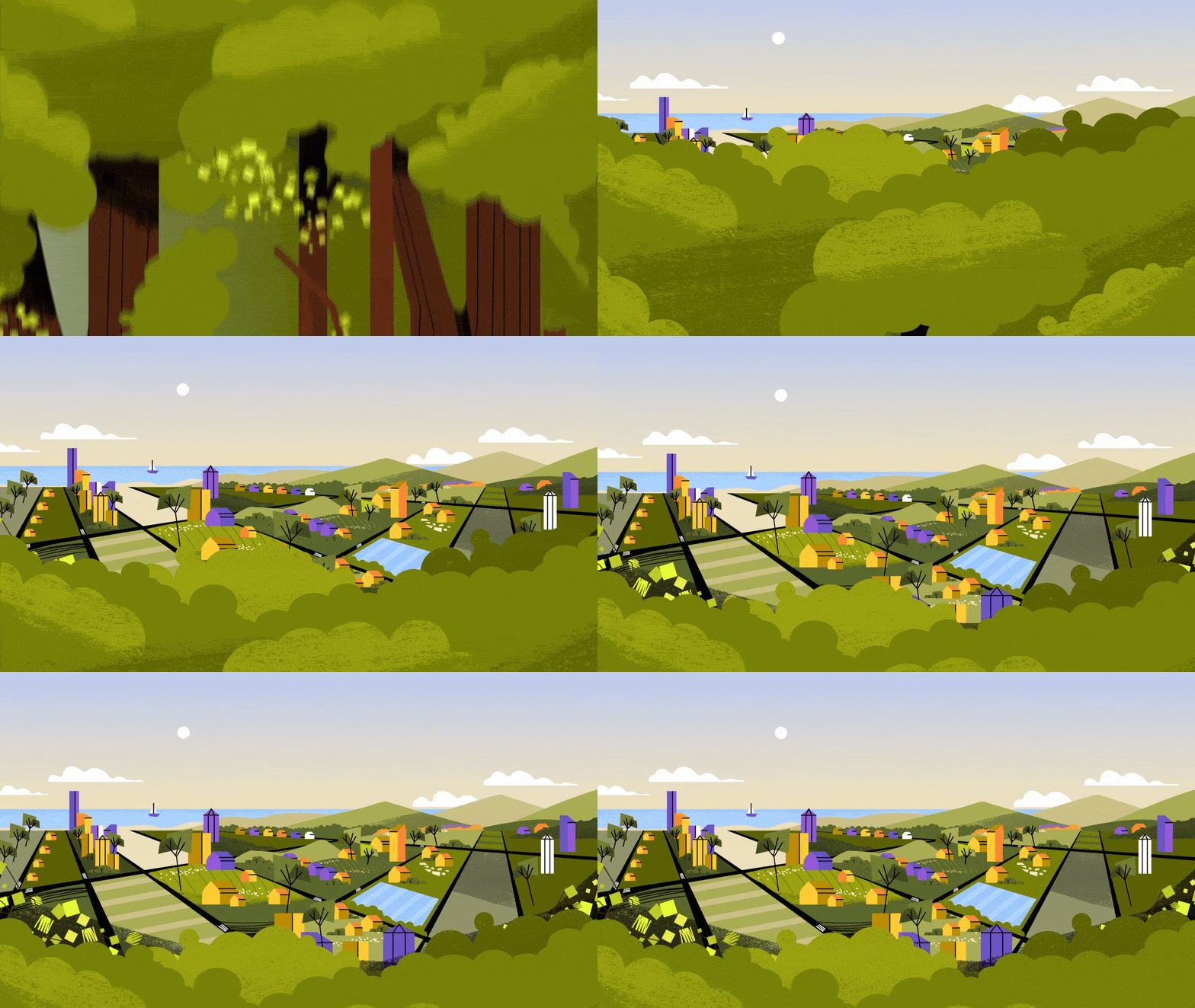
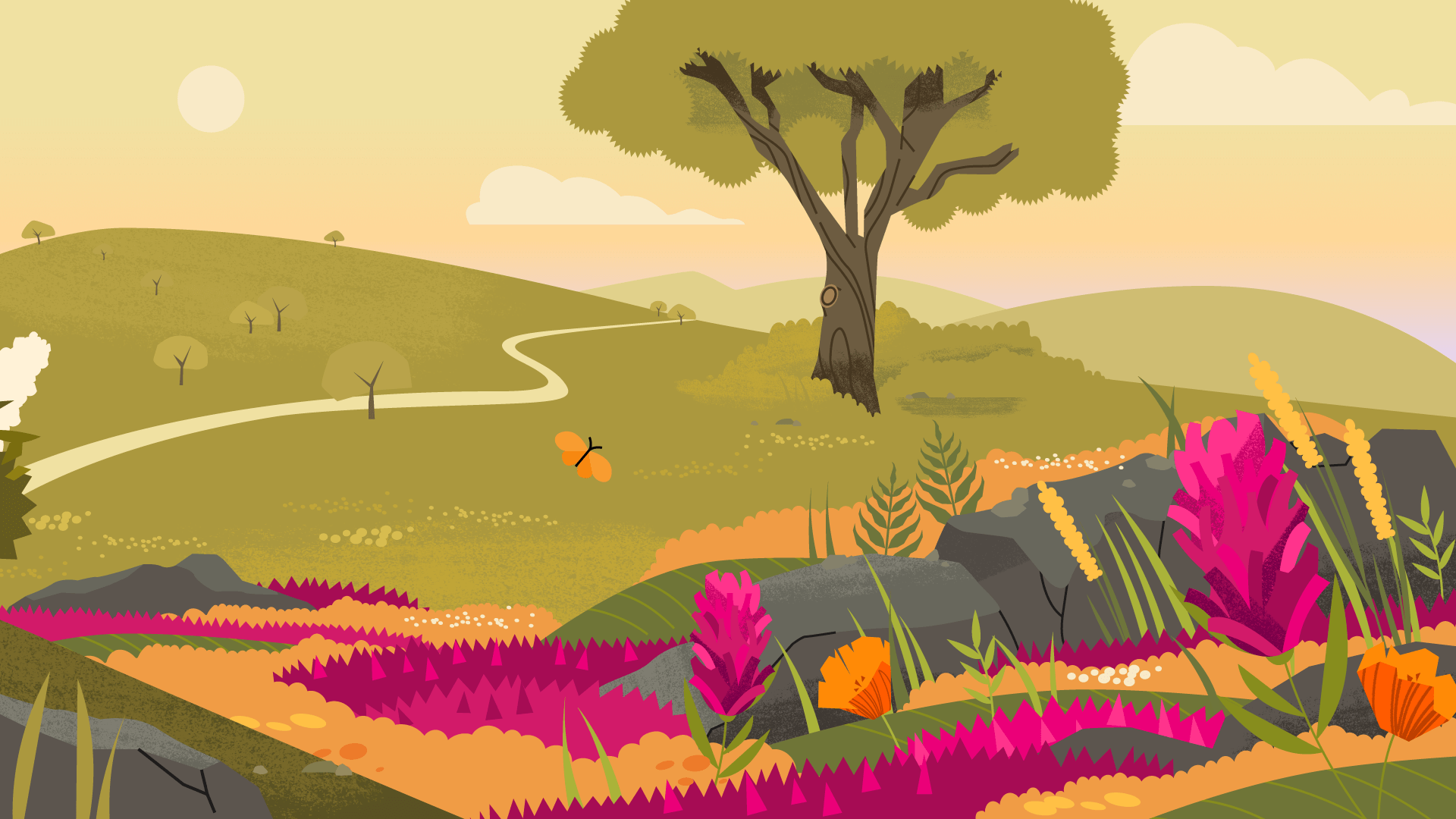
The state is home to a wide range of landscapes, plants, and wildlife, from mountains and forests to meadows and coastal environments. We researched CNPS materials and local nature to develop illustrations that reflected the specific environment the organization was working to protect.
Rather than using generic environmental imagery, the animation incorporates regionally recognizable flora, fauna, and landscapes. This helped give the series a stronger sense of place and connected the policy discussion to the ecosystems and communities it affects.
The result is an environmental animation style that feels specific to California while remaining clear and accessible for a broad public audience.
Visuals, Style and Look
The visual direction combines clean layouts, vibrant colors, and a nature-inspired aesthetic connected to California.
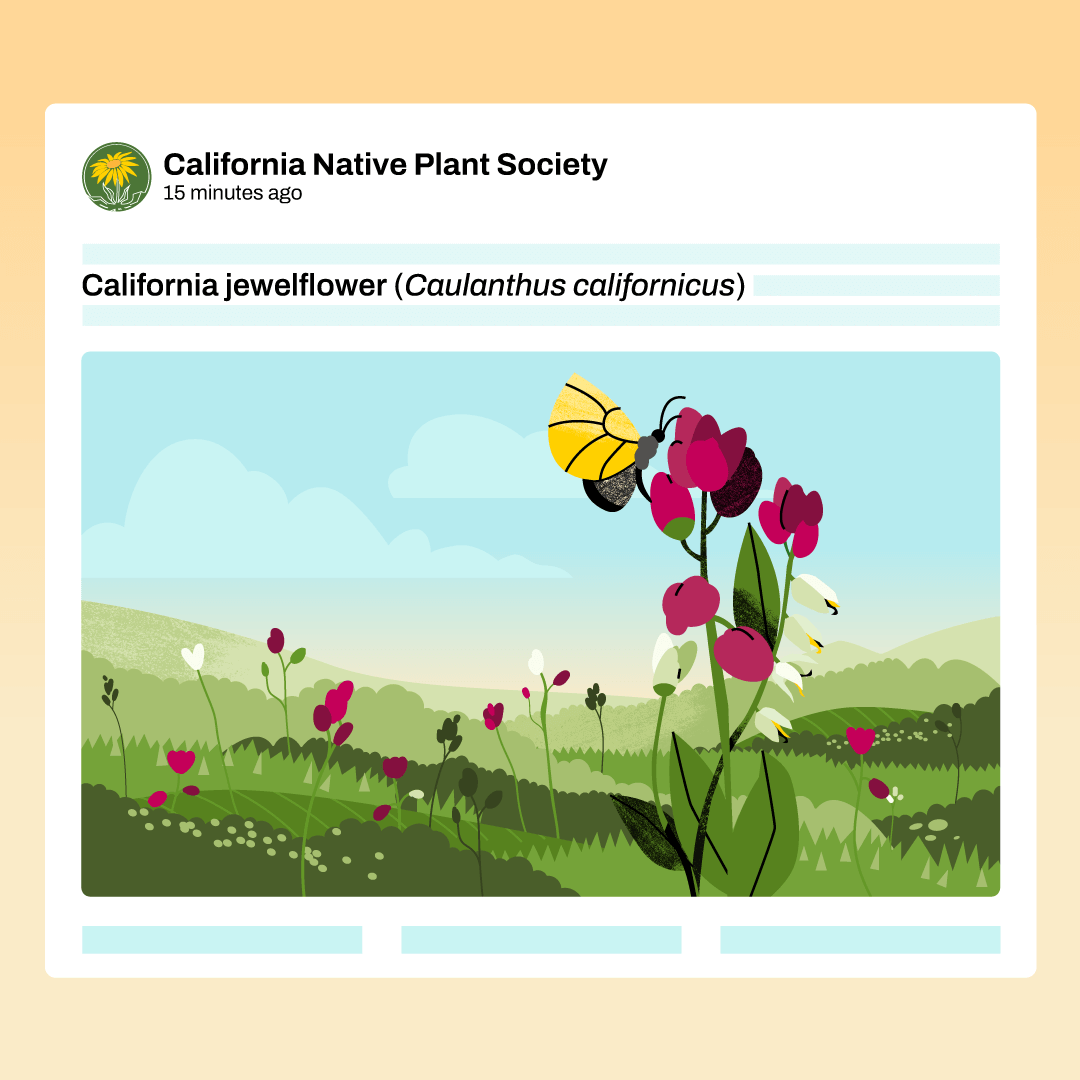
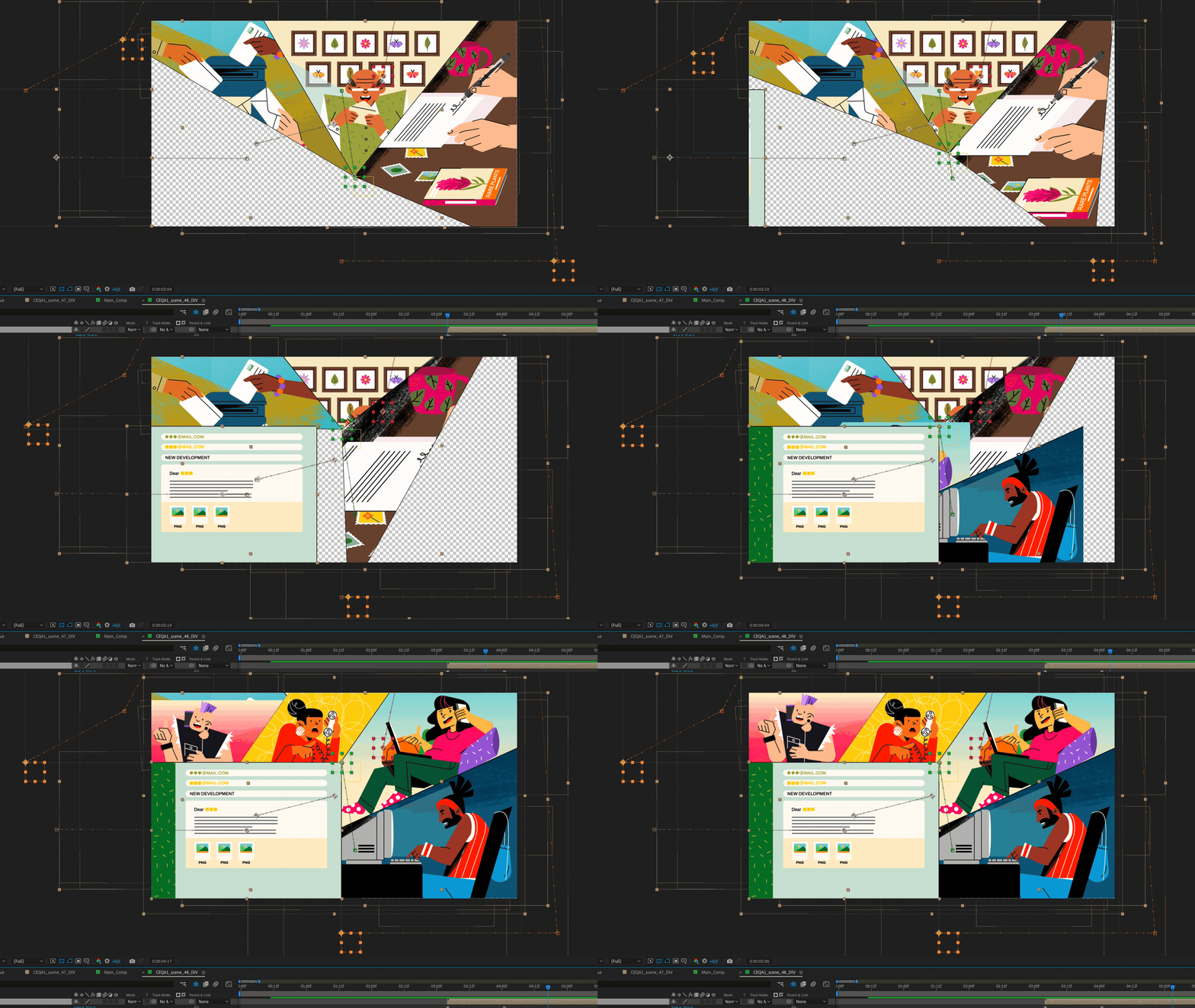
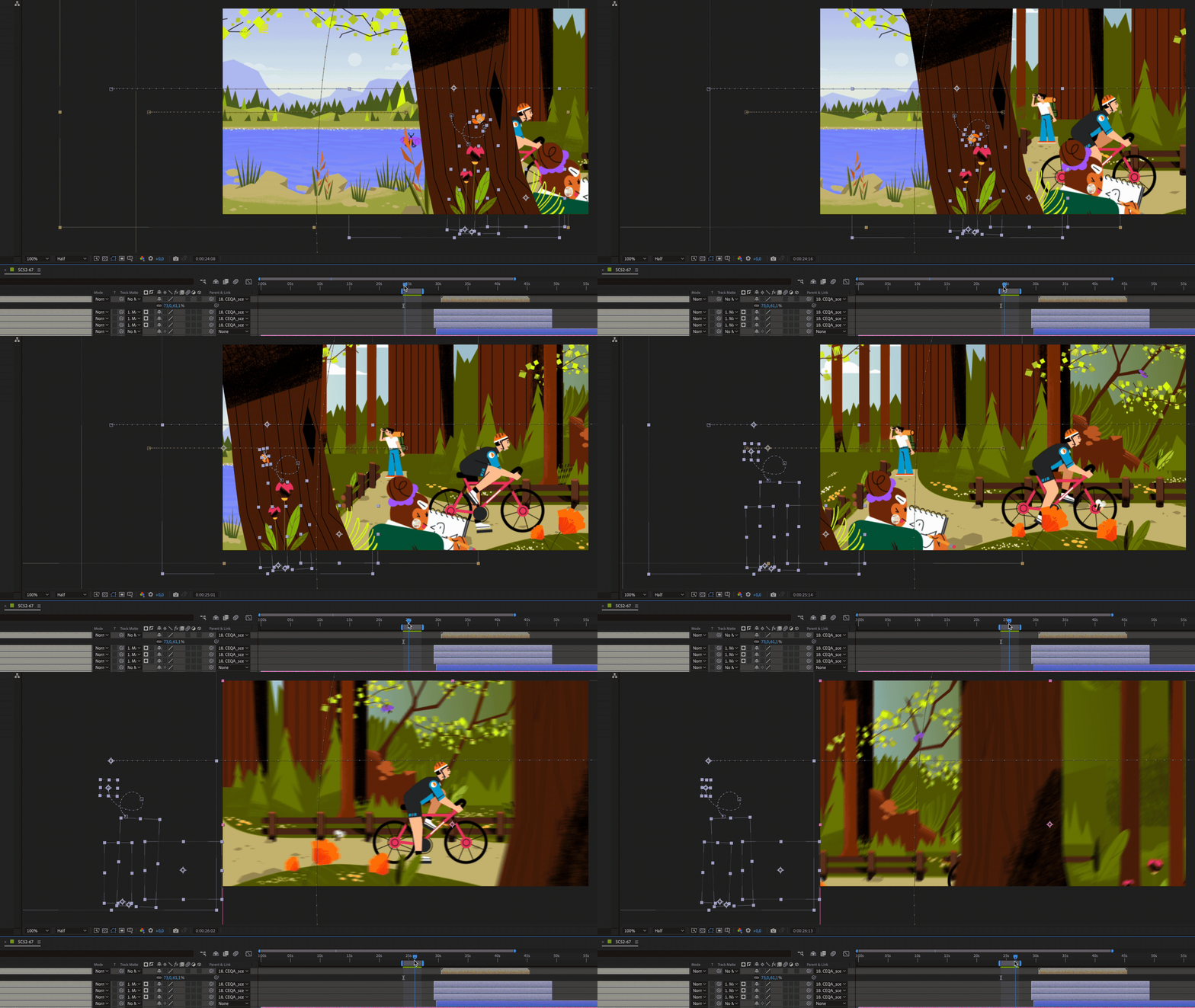
We transformed elements that people normally encounter in policy and environmental processes — including social media interfaces, legal documents, government websites, and information layouts — into simplified animated graphics.
This visual reinterpretation allowed us to explain documents, websites, and policy processes without reproducing them as dense screens of information. Instead, important elements could be isolated, animated, and explained as part of the story.
The approach also supports the longevity of the series. By visually simplifying the underlying information rather than relying heavily on specific website interfaces or complicated layouts, the animation can remain useful as a communication asset over time.
The educational format was built to encourage local communities to understand their rights, participate in environmental decision-making, and use established public processes to comment on projects that may affect their surroundings.
Characters
Environmental protection ultimately depends on people understanding the issues and choosing to participate.
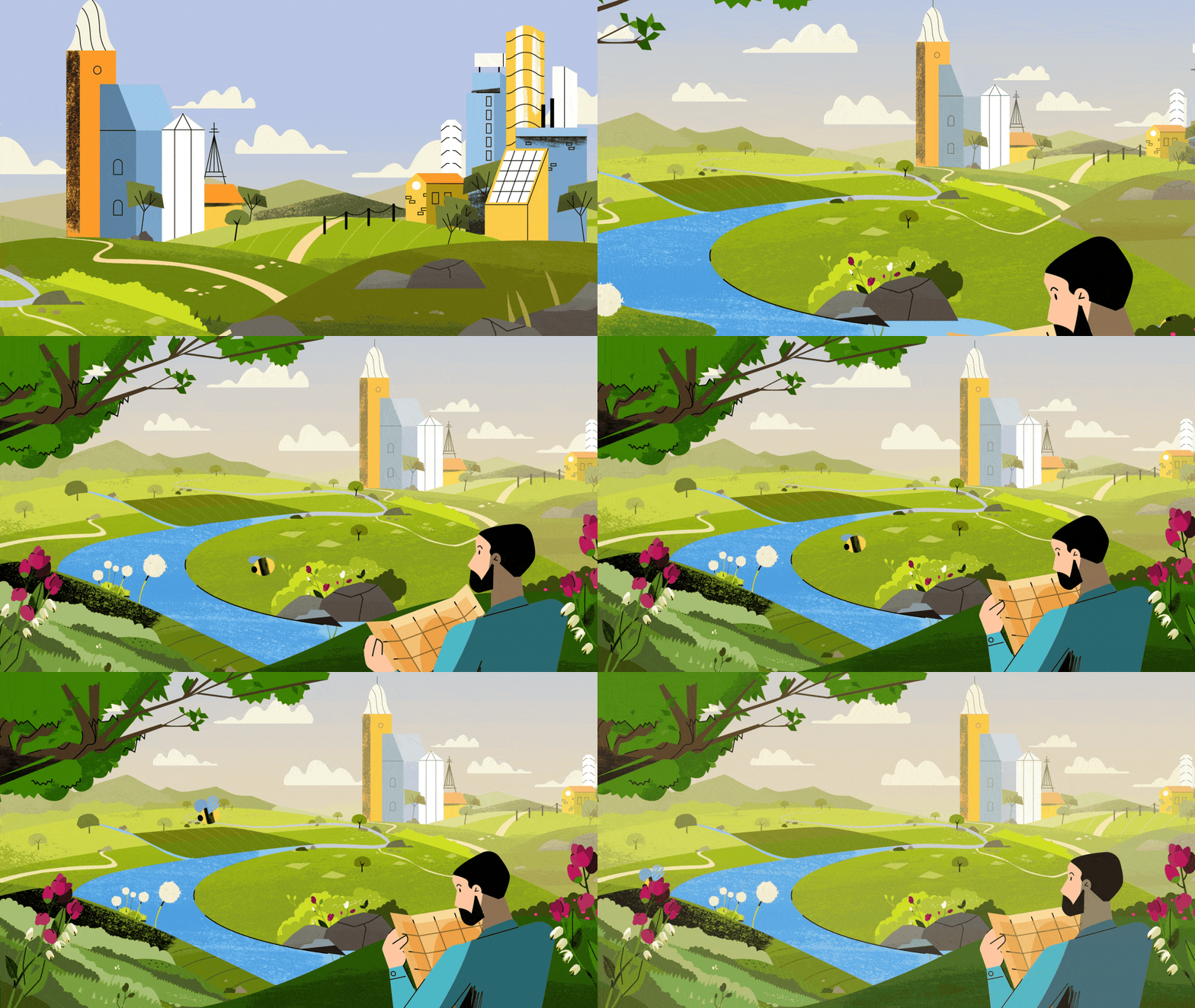
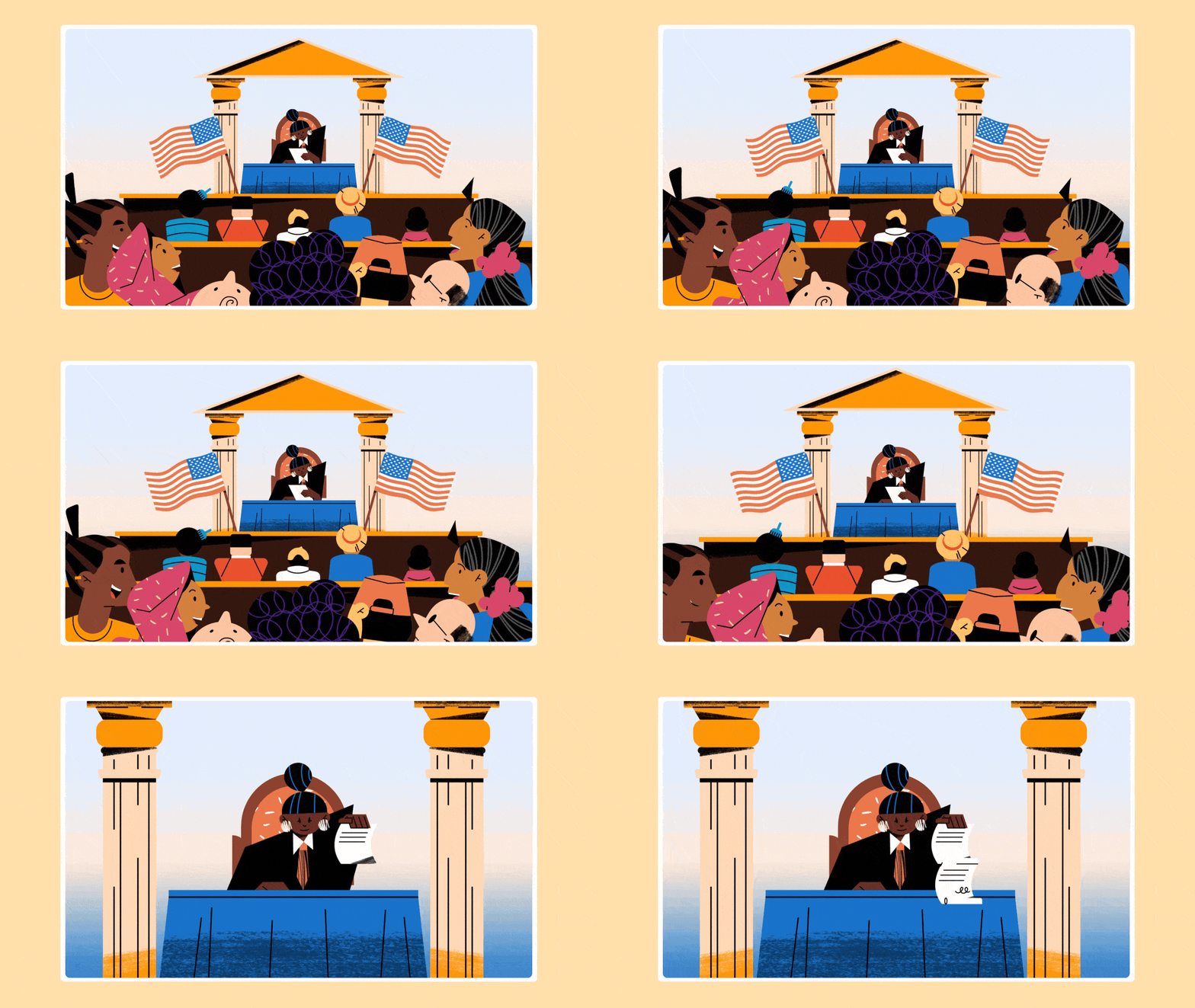
For the series, we created a diverse set of characters representing members of the local public. They appear throughout the policy and development sections of the videos, showing different people engaging with the processes being explained.
The characters help move the story away from an abstract discussion of legislation. Instead of presenting environmental policy as something that exists only between organizations, government bodies, and legal documents, the videos show how public participation connects to people's communities and surroundings.
This character-driven approach also makes the educational content easier to relate to. Viewers can see how individuals can engage with environmental decision-making and why community participation matters when development projects affect local nature, wildlife, and neighborhoods.
Results
Animwood produced a four-part animated environmental policy series using After Effects motion design as the main production tool.
The completed videos give California Native Plant Society a practical educational resource for explaining CEQA, environmental rights, and public participation to a wider audience.
The series turns complex environmental and legal information into accessible visual storytelling, helping audiences understand how they can participate in local policy processes and raise concerns about projects that may affect their communities and the environment.
For environmental nonprofits, NGOs, and organizations working across ecology, conservation, environmental law, or public policy, animation can make complex information easier to understand without reducing the subject to oversimplified messaging.
Explore more of Animwood's work and articles on nonprofit video production, environmental storytelling, and animated explainer videos.
Ready to start your nonprofit animated project? Reach out to us at:
CREDITS
ART DIRECTION
Martyna Pianka
PRODUCTION
Maciek Butscher
Rafał Blecharz
STORYBOARD
Martyna Pianka
DESIGN
Martyna Pianka
Iza Łukaszek
Julia Knapik
Dominika Kwiatkowska
Sebastian Komorowski
ANIMATION
Wiktor Kralka
Denis Frolov
Olgierd Łuszczak
SFX
Giorgio Riolo
CLIENT
SHARE IT
OTHER PROJECTS
CROSSROADS
As one of the largest private religious organizations in the USA, Crossroad Church not onlyhelps...

PRIMER
As one of the largest private religious organizations in the USA, Crossroad Church not onlyhelps...

AMAZON CIS
As one of the largest private religious organizations in the USA, Crossroad Church not onlyhelps...
OUR SERVICES

EXPLAINER
VIDEOS
CARTOON
SERIES

ANIMATED
COMMERCIALS
ANIMATED
CONTENT