Animated Policy Explainer Videos: How Policymakers Can Explain Complex Laws and Policies

AUTHOR: Animwood CATEGORY: Non-profit animations

Laws and policies are rarely easy to explain.

They can involve hundreds of pages of documents, complicated terminology, different stakeholders and a lot of information that needs to be understood correctly. For lawyers and people working directly on legislation, this language is often necessary. For everyone else, it can be difficult to follow.

And this is where animation can actually be useful.

At Animwood, we create animated explainer videos for organisations that need to communicate complex subjects in a way that people can understand. We have worked with nonprofits and purpose-driven organisations on subjects ranging from poverty and climate change to education, social impact and public awareness. Our nonprofit animation and video production work covers everything from short campaign films to explainer videos and larger animated productions.

Policy communication is another area where the same approach can make a difference.

An animated policy explainer can take a complicated law, legislative initiative, regulation or public policy and turn it into a visual story. Instead of asking people to read through a long document before they understand the basic idea, the video can introduce the issue, explain what is changing and show who may be affected.

For policymakers, this can be particularly useful because the audience is rarely limited to other policymakers.
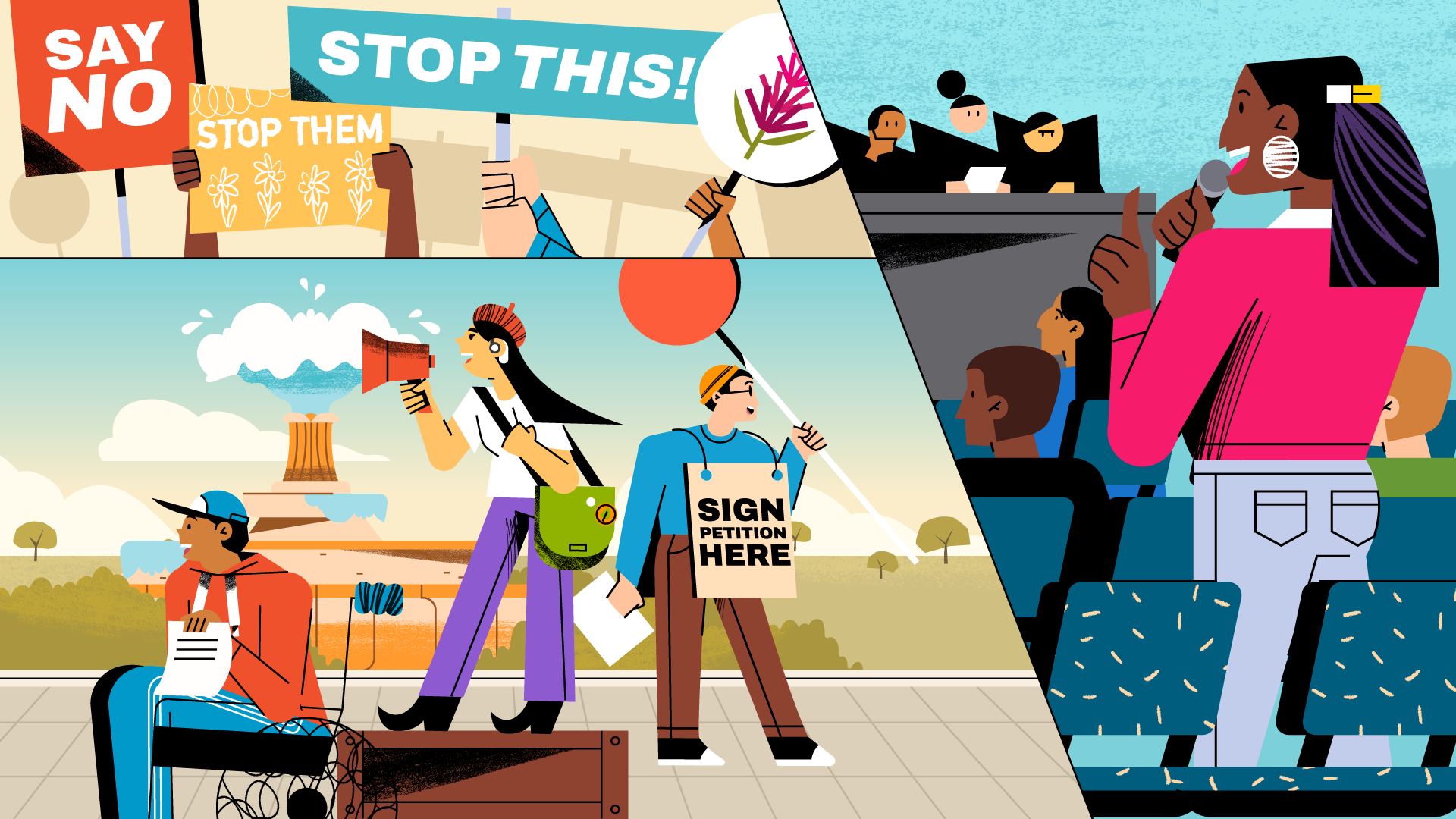
 

WHAT IS AN ANIMATED POLICY EXPLAINER VIDEO?

An animated policy explainer video is a short animated film designed to explain a law, regulation, legislative proposal or public policy to a non-specialist audience. It does not replace the official legal text. Its purpose is to make the main ideas, processes and practical consequences easier to understand.

Animation can visualise things that are difficult to communicate through text alone. A process can be shown step by step, different groups can be represented through characters, and relationships between people, institutions and policies can be made visible.

For policymakers and organisations working around legislation, this makes animation useful as a communication layer around the formal policy documents.


HOW CAN POLICYMAKERS BENEFIT FROM ANIMATED EXPLAINER VIDEOS?

An animated policy video can help policymakers communicate complex legislation to people who are not experts in law or public administration. This includes citizens, local organisations, journalists, NGOs, community groups and people directly affected by a policy.

The main advantage is not simply that animation makes information look more attractive. It gives the communication team control over how an issue is explained.

A policy can be broken into smaller ideas and presented in a logical sequence. A complicated process can be visualised. Different groups can be represented as characters. Timelines, systems and relationships can be shown rather than described only through text.

This can be especially useful when explaining subjects such as immigration law, cybersecurity regulations, social policies, human rights or changes to existing legislation.


HOW ANIMATION CAN EXPLAIN COMPLEX LEGISLATION

Legal and policy documents often use language that is precise but difficult for a general audience. An animated explainer does not replace the official document or legal text. Instead, it can act as an accessible introduction to it.

For example, a video about a new immigration policy could explain what the policy changes, who it applies to and what people need to know. A cybersecurity law explainer could visualise how a new requirement affects organisations and what steps they are expected to take.

The same approach can work for regional, national and international policies.

Animwood has already used animation in a closely related way for the California Native Plant Society, creating four animations explaining how the California Environmental Quality Act works and what can be done to protect California's natural resources. The project shows how complicated environmental processes, contracts and permits can be turned into a visual explanation without losing the seriousness of the subject.

That kind of visual translation is particularly useful when a policy involves several connected processes. Instead of explaining everything through paragraphs of legal terminology, the animation can show how the different pieces fit together.


CAN ANIMATION HELP WITH PUBLIC CONSULTATIONS?

Yes. An animated policy explainer can give people a simple introduction to a proposed policy before they read the full documentation or participate in a consultation.

The video can explain what is being proposed, why the change is being considered and which groups may be affected. This gives non-specialist audiences a clearer starting point for engaging with the subject.

The official documentation remains the source of detailed information, but the animation can make that information easier to approach.


POLICY COMMUNICATION IS ALSO ABOUT TRUST

When organisations communicate about laws, rights or public policy, clarity matters. People need to understand where information comes from, what it means and how it affects them.

A professionally produced animated explainer can support that communication by giving the organisation a clear and consistent way to present its message. It can be published on a website, shown at an event, shared on social media or sent directly to relevant groups.

For policymakers and public organisations, this means one production can become a reusable communication asset rather than a video made for a single presentation.

It can also help organisations communicate consistently across different channels. The same core explanation can be adapted into shorter social media videos, event materials or versions for different audiences.


FROM A POLICY DOCUMENT TO AN ANIMATED EXPLAINER

The goal is not to turn a 100-page policy document into a two-minute substitute. The official document remains the source of legal detail. The purpose of the animation is to create a clear entry point.

The production process starts by identifying what the audience actually needs to understand. A policy document may contain much more information than can or should be included in a short video. The script therefore needs to identify the central message, important terminology and practical information that matters to the audience.

From there, the animation can translate those ideas into visuals, characters, diagrams and situations that are easier to follow.

This is where working with an experienced animation production company can be particularly valuable. The production team needs to understand not only animation but also how information is structured and communicated.

At Animwood, we work across 2D animation, 3D animation, character animation and motion graphics, choosing the approach according to the subject and audience rather than forcing every project into the same visual style.


POLICY ANIMATION FOR NGOS AND LEGAL ORGANISATIONS

Policy communication is not limited to governments and lawmakers. NGOs, think tanks, nonprofit organisations, legal organisations and advocacy groups often need to explain policies from the perspective of the people they represent.

This can include explaining legal rights, new regulations, proposed legislation, social issues or the practical consequences of a policy change.

Our work with the Association of Personal Injury Lawyers (APIL) is one example of animation being used to communicate a serious legal and social issue. For APIL's “Rebuilding Shattered Lives” campaign, we created an animated film telling the story of a family affected by a serious accident and the role of the organisation supporting injured people. The project used animation to communicate a sensitive subject through a human story rather than relying only on institutional or legal language.

For an organisation working with vulnerable or underrepresented groups, that kind of approach can provide a more accessible way to communicate information that may otherwise be difficult to understand.

Our nonprofit animation work includes projects dealing with environmental protection, climate change, poverty, bullying and other social issues. These projects use different animation styles depending on the subject, but the communication challenge is often similar: take something important and potentially complicated and make it understandable to a broad audience.


ANIMATED POLICY VIDEOS FOR SOCIAL IMPACT

The most important audience for a policy video is often not the policymaker.

It can be the person affected by the policy.

Whether the subject is immigration, healthcare, environmental regulation, cybersecurity, human rights or another area of public policy, people need to understand how decisions and legislation relate to their everyday lives.

Our work for World Relief, for example, focused on the reality faced by families experiencing forced displacement. The project used character-focused animation to communicate a complex and sensitive subject in a clear, human-centred way.

Another example is Acumen's Food Talks, where six animated food characters were used to communicate a climate-related message during NYC Climate Week. Rather than presenting the subject as a set of statistics, the campaign gave each issue a character and personality, making the information easier to connect with.

These projects are different from a legislative explainer, but they demonstrate an important part of policy communication: the ability to translate complex or serious subjects into visual stories that people can actually engage with.


ANIMATED EXPLAINERS FOR CAMPAIGNS AND FUNDRAISING

Policy organisations and nonprofits also need to communicate their work to donors, partners and supporters.

An animated video can explain not only the policy issue itself but also why an organisation is working on it and what it is trying to change. This makes the same production useful for social impact communication, awareness campaigns and fundraising.

Our Journey of a Dollar animation for Acumen is a good example of this approach. The film follows the journey of a donated dollar and shows how individual contributions support communities working on long-term solutions to poverty. We also created shorter versions for Acumen's social media channels, allowing the production to work across multiple formats.

For an organisation advocating for a particular group, a similar approach can be used to explain the policy problem, show its human impact and introduce the organisation's work. The video can then be shared with supporters, potential donors, partners and the wider public.


WHERE CAN A POLICY EXPLAINER VIDEO BE USED?

An animated policy explainer can be used at different stages of the legislative and communication process.

A policymaking organisation can use animation to introduce a proposed initiative. A public organisation can use it to explain a newly adopted policy. An NGO can use it to explain how a regulation affects the communities it supports. A legal organisation can use animation to make complicated rights and procedures easier to understand.

The same video can also support a campaign, public event, fundraising initiative or awareness programme.

This makes policy animation particularly useful for organisations that need to reach people across multiple channels. A well-produced video can live on a website while also being shared through social media, newsletters, presentations and partner organisations.


WHY WORK WITH AN ANIMATION STUDIO ON POLICY COMMUNICATION?

Policy and legislation are subjects where clarity matters more than visual spectacle.

The animation needs to support the information rather than distract from it. The visual language should make the subject easier to follow, while the script should remain accurate, focused and appropriate for the audience.

That is why policy animation requires more than simply adding movement to a presentation. It involves scriptwriting, visual development, storyboarding, character or graphic design, animation, sound and often voice-over, all working together around one communication goal.

Animwood is a global animation and video production studio based in Kraków, Poland, producing explainer videos, animated films, campaign content and other forms of visual storytelling for organisations around the world. Our experience includes nonprofit organisations, NGOs, foundations and purpose-driven organisations working on complex social and environmental subjects.

Our nonprofit video production article goes deeper into how we approach communication for NGOs and foundations, while our overview of Animwood's nonprofit animation work brings together examples from Acumen, California Native Plant Society, Anti-Bullying Alliance and other organisations.

You can also explore the wider Animwood project portfolio to see examples of our explainer videos, nonprofit productions, character animation and mixed-media work.


FAQ: ANIMATED POLICY EXPLAINER VIDEOS

What is an animated policy explainer video?

An animated policy explainer video uses animation to explain a law, regulation, legislative initiative or public policy in a clear and accessible way. It can simplify complex information without replacing the official legal or policy documents.

How can animation help policymakers?

Animation can help policymakers communicate complex policies to non-specialist audiences, including citizens, NGOs, community groups and people directly affected by legislation. It can visualise processes and explain changes more clearly than text alone.

Can animated videos explain laws and legislation?

Yes. Animation can explain the main ideas, processes and practical effects of legislation. The official legal text remains the authoritative source, while the video provides a more accessible explanation.

Can NGOs use animated policy explainers?

Yes. NGOs, think tanks, legal organisations and advocacy groups can use animation to explain policies, rights, regulations and social issues to the communities they support, as well as to donors and partners.

Where can a policy explainer video be used?

A policy video can be published on an organisation's website, social media channels, newsletters and campaign pages, or used during conferences, public consultations, events and presentations.


If your organisation needs to explain a complex law, policy or legislative initiative in a way that people can actually follow, contact Animwood at 

newbusiness@animwood.com.


SHARE IT

OUR SERVICES

EXPLAINER
VIDEOS

CARTOON
SERIES

ANIMATED
COMMERCIALS

ANIMATED
CONTENT