Best Explainer Video Styles: 5 Animation Styles and Examples


AUTHOR: Rafał CATEGORY: Explainer Video

Choosing the right explainer video style is about more than making a video look good. The visual style influences how your audience understands the message, perceives your brand, and remembers the story.

From character-driven cartoons to sophisticated 3D animation and abstract motion graphics, there are many different explainer video styles to choose from. The right approach depends on your message, audience, brand, and communication goals.

At Animwood, we work across a wide range of animation techniques and visual languages. Our portfolio includes 2D and 3D animation, mixed media, motion graphics, hand-drawn animation, and character-driven cartoon animation.

In this guide, we explore five of the most effective explainer video animation styles, with examples from the Animwood portfolio.


What Is an Explainer Video Style?


An explainer video style is the visual language used to communicate a product, service, idea, process, or story through animation.

It can be defined by the type of animation, illustration style, characters, movement, typography, textures, and the way different visual elements are combined.

The best style supports the story rather than simply decorating it. A technical product may benefit from motion graphics or 3D animation, while an educational or social campaign might work better with expressive characters or hand-drawn visuals.

There is no single best animation style for every explainer video. The right choice depends on what you need the audience to understand and how you want them to experience the story.


The Best Explainer Video Styles


While every animation project can have its own visual identity, five styles are particularly versatile for explainer videos and animated brand content:

  1. 2D and 3D animation
  2. Mixed media animation
  3. Abstract motion graphics
  4. Hand-drawn animation
  5. Cartoon animation

Let's look at each style through examples from Animwood's portfolio.


1. 2D and 3D Animation


Combining 2D and 3D animation gives creators the flexibility to move between different visual dimensions within the same story.

2D animation is effective for graphic storytelling, characters, diagrams, interfaces, and abstract concepts. 3D animation can add depth, realistic objects, cinematic camera movement, and a stronger sense of physical space.

Combining the two can create an explainer video that feels both informative and visually rich.


Example: Amazon Technology II

A great example from Animwood's portfolio is Amazon – Technology II, created for Amazon Studios Technology.


View Amazon – Technology II on Behance

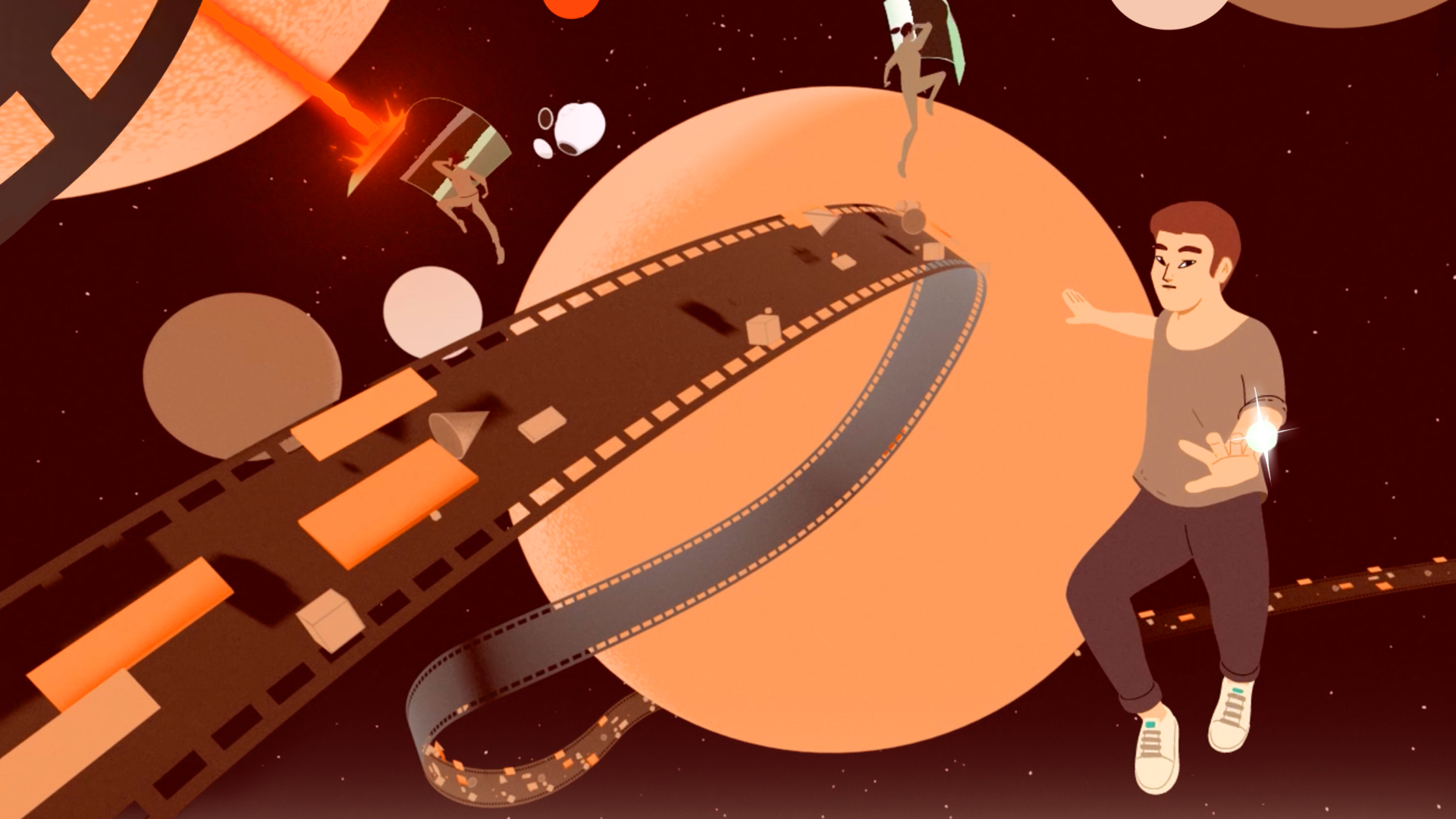
The project explains cybersecurity and cinematic production technology through a combination of visual techniques. The story follows Olo, a brand mascot created for the client, on another adventure through a complex technological environment.

Animwood combined traditional and cut-out animation with 3D elements created in Blender.

The visual concept also builds on the previous animation in the series, using geometric shapes, grainy textures, and a consistent color palette to visualize data and technology.

This makes the project a good example of how 2D and 3D animation can work together in an explainer video instead of being treated as completely separate styles.


When should you use 2D and 3D animation?.

This approach works particularly well when you need to explain complex technology, visualize digital environments, combine characters with products or objects, or create a more cinematic visual experience.

The key is not simply adding 3D because it looks impressive. Each technique should have a storytelling purpose.


2. Mixed Media Animation


Mixed media animation combines different types of visual material within one video. Illustration, photography, archival footage, typography, textures, collage, and animation can all become part of the same visual language.

The result is often more tactile and editorial than a conventional animated explainer. It is particularly effective for brands with a strong history, personality, or visual archive.


Example: Redbreast Whiskey

Animwood's Redbreast Whiskey – Animated Brand Video is a strong example of mixed media animation.


View Redbreast Whiskey – Animated Brand Video

The three-minute animated brand video tells the story of Redbreast Whiskey and its Dublin heritage, touching on historical periods including Prohibition and the Second World War.

Rather than relying on a single animation technique, the project uses collage to bring old photographs, newspaper clippings, and archival footage into the story.

The mixed-media approach gives the video a sense of history and authenticity. Archival material becomes part of the animation itself, while animation connects the individual elements into one coherent narrative.

This is one of the biggest advantages of mixed media explainer videos: real-world material can provide context while animation turns it into a dynamic visual story.


When should you use mixed media animation?

Mixed media is a strong choice for brand heritage, historical storytelling, archival material, photography, real-world products, and campaigns that need a distinctive visual identity.

It can also make a brand video feel less like a traditional corporate explainer and more like a piece of visual storytelling.


3. Abstract Motion Graphics


Not every explainer video needs characters.

Sometimes shapes, typography, diagrams, lines, transitions, textures, and movement can communicate an idea more effectively than a character-driven story.

This is where abstract motion graphics come in.

Motion graphics are particularly useful for explaining systems, processes, data, technology, energy, finance, and other concepts that don't necessarily have a physical form.


Example: Noova Energy Systems

Animwood's work for Noova Energy Systems demonstrates how abstract motion graphics can transform a complex subject into a clear visual journey.


View Noova Energy Systems

For the project, Animwood developed Noova's visual brand in motion, including scripting, storyboarding, design, and animation.

The visual direction focused on efficiency and sustainability, using a linear graphic language and dynamic typography. Photography, live-action footage, and design elements were integrated into the videos to give the communication a grounded and professional feel.

A symbolic beam of energy acts as a visual thread connecting different scenes and guiding the viewer through the story.

The project was animated entirely in After Effects, including transitions, light effects, 3D elements, and energy effects.

It is a good example of how motion graphics animation can explain an abstract concept without relying on conventional characters.


When should you use abstract motion graphics?

This style works especially well for technology, energy and sustainability, data, financial concepts, business processes, digital products, and systems that are difficult to represent literally.

Motion graphics can also be effective when brand consistency is important because typography, shapes, and graphic elements can be built around an existing visual identity.


4. Hand-Drawn Animation


Hand-drawn animation brings a more organic and human quality to an explainer video.

Instead of relying on perfectly geometric graphics, it embraces illustration, expressive movement, and frame-by-frame storytelling.

This makes it particularly powerful for subjects that require empathy or emotional engagement.


Example: Anti-Bullying Alliance

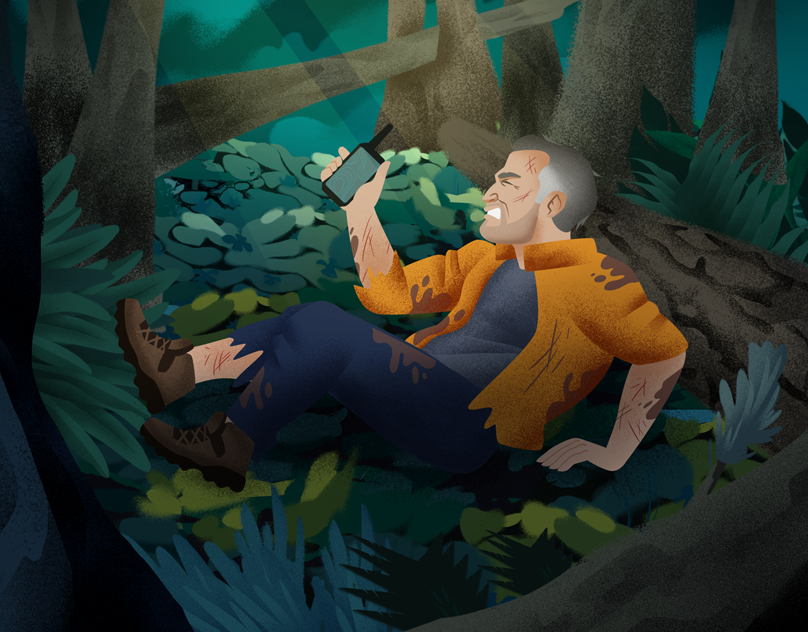
Animwood created an animated video for the Anti-Bullying Alliance, a nonprofit organization working to make a difference for people affected by bullying.


View Anti-bullying Alliance – animated video

The project focuses on the effects of bullying and communicates the role of the Anti-Bullying Alliance in supporting people who need help.

Animation was particularly appropriate for this subject because it allowed the filmmakers to address a sensitive topic without depending on potentially difficult or emotionally heavy live-action imagery.

The hand-drawn visual approach also helps make the communication feel personal and accessible.

This illustrates an important principle of explainer video design: sometimes the best style is not the most technically complex one, but the one that creates the right emotional connection with the audience.


When should you use hand-drawn animation?

Hand-drawn animation can work particularly well for education, nonprofit campaigns, social issues, awareness campaigns, emotional storytelling, and topics where empathy is important.

It can make complex or serious subjects feel more approachable without making them feel less important.


5. Cartoon Animation


Cartoon animation is one of the most recognizable explainer video styles.

It uses characters, environments, dialogue, expressive movement, and visual humor to turn information into a story.

Character animation is especially effective when the audience needs to identify with a situation or follow a protagonist through a problem and its solution.


Example: Brainly Animated Series

Animwood's Brainly Animated Series is a strong example of character-driven cartoon animation.


View Brainly Animated Series

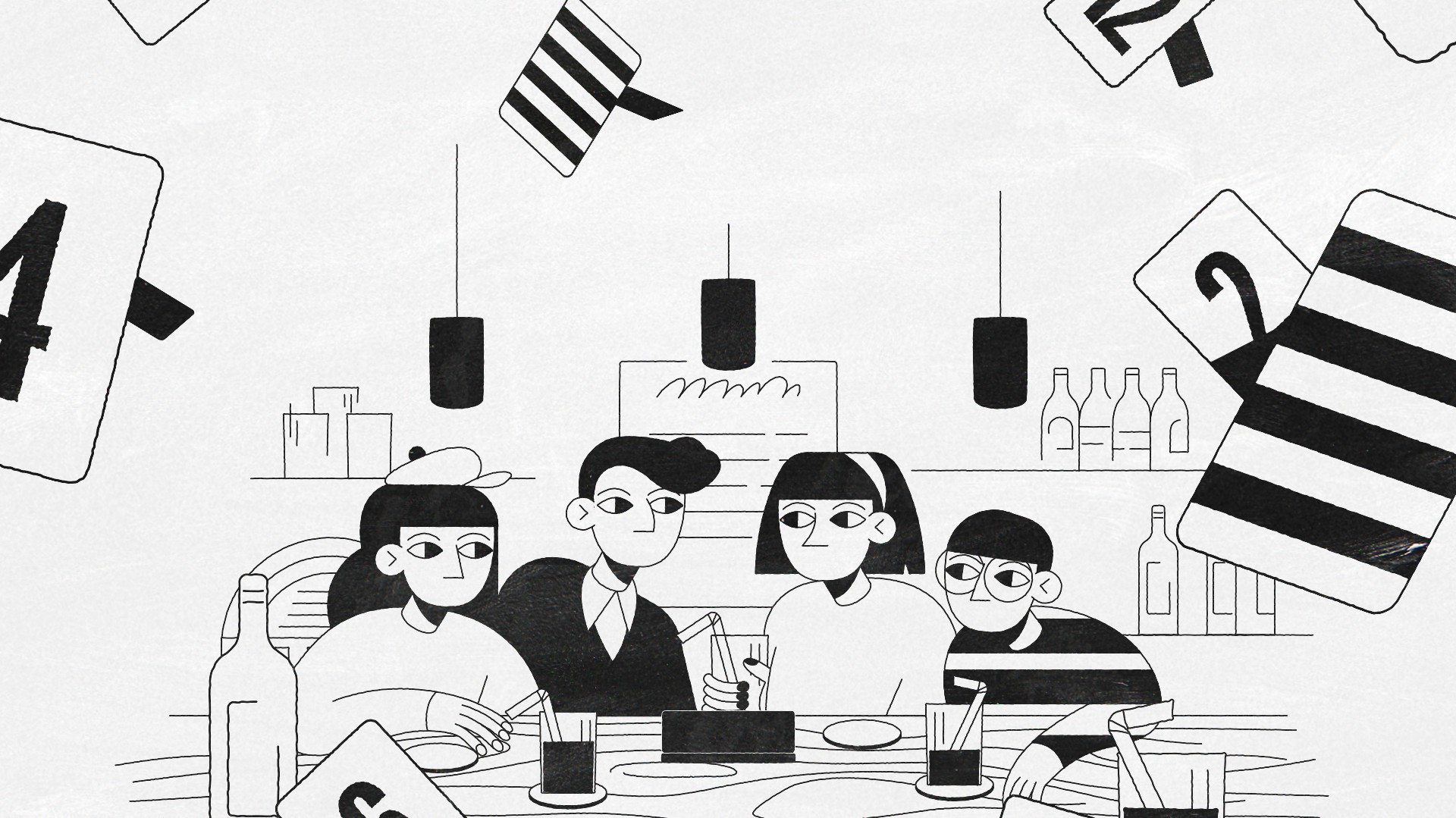
The project was created for young learners and builds an energetic world around education, creativity, fun, and freedom.

The production combines character design with advanced rigging and frame-by-frame animation. A large collection of unique characters helps create a distinctive visual universe rather than relying on generic explainer-video characters.

The result shows why cartoon animation can be particularly effective for educational and youth-focused communication: information can be delivered through personalities, situations, humor, and visual action.


ACUMEN – The Journey of the Dollar

Another example from Animwood is ACUMEN: The Journey of The Dollar.


View ACUMEN – The Journey of The Dollar

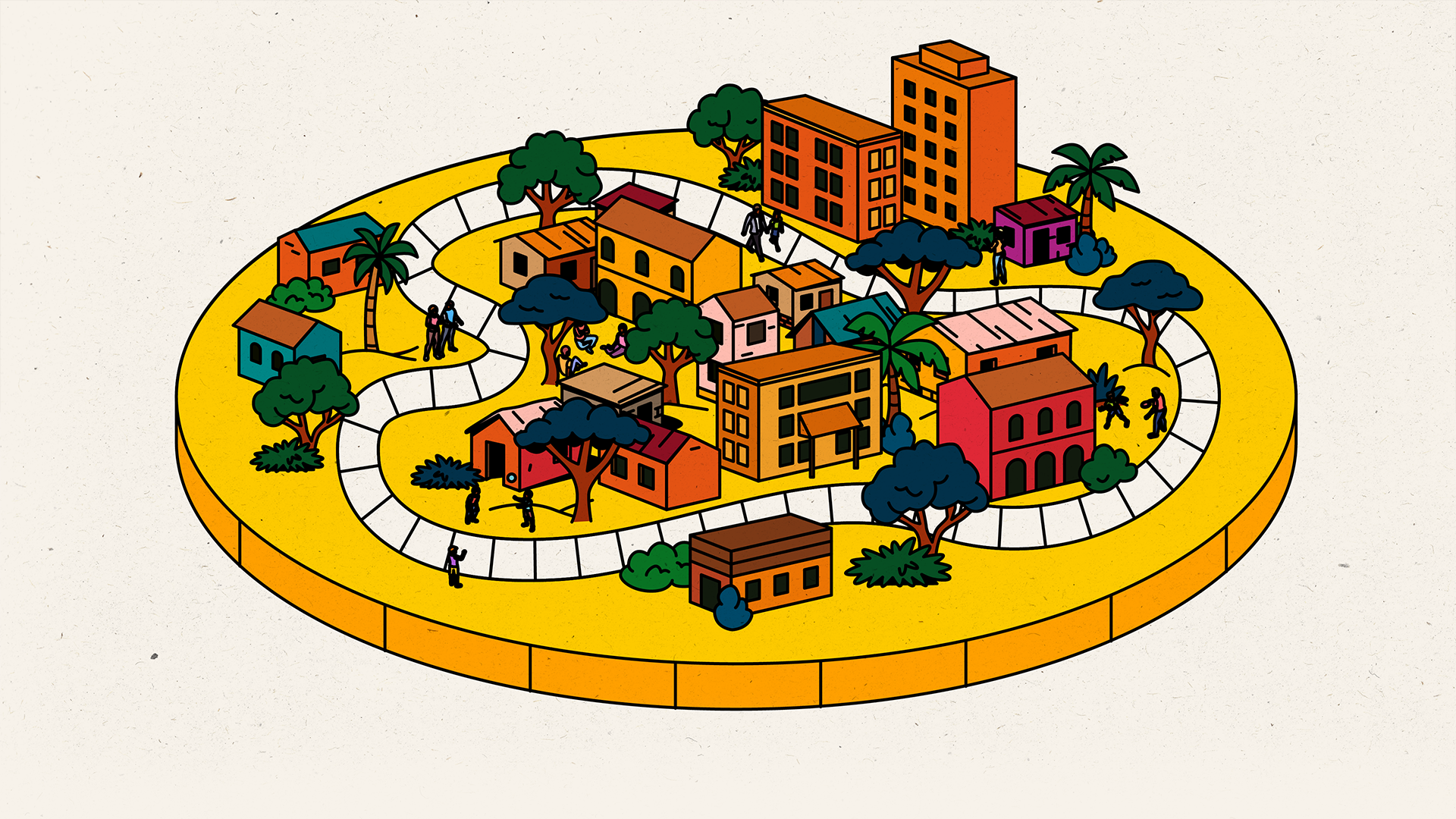
The video follows the journey of a single donated dollar and shows how individual contributions can be combined and invested into communities working on long-term solutions to poverty.

The storytelling turns an abstract financial mechanism into something tangible. Instead of simply explaining how donations work, the viewer follows the journey of one dollar.

This is a useful example of character and narrative-driven explainer animation. The audience doesn't have to understand a complex system all at once. They can simply follow a story.


When should you use cartoon animation?

Cartoon animation is particularly useful for education, SaaS and digital products, onboarding, consumer brands, social campaigns, internal communications, and storytelling aimed at younger audiences.

A strong character can also become a recurring brand asset, allowing companies to build a recognizable visual language across multiple videos.


How to Choose the Best Explainer Video Style


The best explainer video style is the one that makes your message easier to understand while supporting the personality of your brand.

Before choosing a visual direction, consider a few key questions.

What are you explaining?

Start with the subject rather than the visual trend.

A complex software system may benefit from motion graphics or a combination of 2D and 3D. A social campaign may need a more human, hand-drawn approach.

Who is your audience?

Think about what visual language your audience is comfortable with.

A technical B2B audience may respond well to a precise and sophisticated visual system, while a younger audience might connect more naturally with expressive characters and cartoon animation.


What should the audience feel?

Animation isn't only about explaining information.

Do you want the video to feel professional, innovative, emotional, playful, premium, human, or energetic?

The animation style should reinforce that emotional goal.

What should make the video memorable?

A good explainer video shouldn't only communicate information. It should also create a visual identity that people remember.

That might be a distinctive character, a unique illustration style, a recognizable color system, an unusual combination of media, or a memorable animation technique.

Can You Combine Different Explainer Video Styles?


Absolutely.

Some of the strongest explainer videos combine several animation styles rather than following a single visual formula.

A video might use 2D characters with 3D environments, motion graphics with live-action footage, hand-drawn illustrations with typography, archival photography with collage animation, or cartoon characters with abstract transitions.

Animwood's Amazon Technology II project is a good example of combining traditional, cut-out, and 3D animation techniques. The Noova project similarly integrates motion graphics with photography and live-action elements.

The goal is not to use as many techniques as possible. The goal is to choose the right combination for the story.


Final Thoughts


The world of explainer video animation styles is much broader than the traditional corporate 2D explainer.

From the cinematic combination of 2D and 3D animation in Amazon Technology II, through the archival collage of Redbreast Whiskey, to the abstract motion graphics of Noova Energy Systems, the Animwood portfolio demonstrates how different visual languages can solve different storytelling challenges.

Whether you're explaining complex technology, telling a brand story, educating an audience, or communicating a social message, animation gives you the freedom to visualize ideas that would be difficult to capture with live action.

The best explainer video style is ultimately the one that makes your story clearer, more memorable, and more relevant to the people watching it.


Looking for the right animation style for your project?

At Animwood, we develop custom animation styles around the story, audience, and goals of each project. Whether you need a professional 2D explainer, character animation, motion graphics, mixed media, or a combination of 2D and 3D techniques, we can help you find the right visual approach.

Ready to chat? Tell us about your project:

newbusiness@animwood.com


SHARE IT

OUR SERVICES

EXPLAINER
VIDEO

ANIMATED FILMS

ANIMATED
COMMERCIALS

ANIMATED
CONTENT