Climate Change and Environmental Protection Animated Videos


AUTHOR: Rafał CATEGORY: Non-profit animations

Climate change and environmental protection are not always easy subjects to explain. Scientific research, environmental policies, climate data and long-term consequences can quickly become difficult for a general audience to understand.

Animation gives nonprofits, NGOs and environmental organizations another way to communicate these subjects. Instead of relying only on statistics or traditional presentations, an animated video can turn complex information into a clear visual story.

At Animwood, we work with nonprofits and purpose-driven organizations on animated explainers, educational films, campaign content and social impact videos. Our nonprofit animation work covers subjects ranging from poverty and humanitarian issues to climate change, sustainability and environmental protection.

You can see more examples in our nonprofit animation work and in our article about animation for nonprofits, NGOs and foundations.

 

Why use animation for climate change and environmental issues?

Environmental topics often involve processes that are difficult to show on camera. Climate change happens over decades, environmental policies can involve complicated systems, and the effects of development on ecosystems may not be immediately visible.

Animation allows these ideas to be visualized.

A film can move between different periods of time, explain how a policy works, show changes in an ecosystem or turn an abstract environmental concept into a character or visual metaphor.

For nonprofits, animation can also be adapted for different communication goals. The same visual language can support an educational campaign, fundraising video, social media content, internal communication or public awareness project.

Our broader nonprofit animation experience includes environmental protection, climate change and other social impact topics.

1. ABC News Earth Day


For ABC News, we created an educational animated video for Earth Day exploring the history of our planet and the ways human activity has contributed to global warming.

The story uses Earth itself as the main character. The planet remains at the center of the composition while historical events, transitions and visual elements move around it. This gave the film a simple visual structure while allowing the story to cover a large period of time.

The project also required historical research to make the visual storytelling more grounded and accurate. You can see the full ABC News Earth Day animation case study on the Animwood website.


2. California Native Plant Society and CEQA


Environmental policy can be particularly difficult to communicate through video. For the California Native Plant Society, we created four animations explaining the California Environmental Quality Act, or CEQA, and how it relates to protecting California’s natural resources from the environmental impact of development projects.

Rather than presenting the subject as a conventional legal or policy explainer, we used a playful visual approach based around a board game.

Game pieces, cards and a game board helped make contracts, permits and environmental processes easier to follow. The animation also introduced illustrated plants, animals, landscapes and characters to give the subject a stronger connection to the natural environment.

The project shows how environmental policy animation can make technical information more accessible without removing the substance of the message.

See the full California Native Plant Society CEQA animation project.


3. The Soil Health Institute


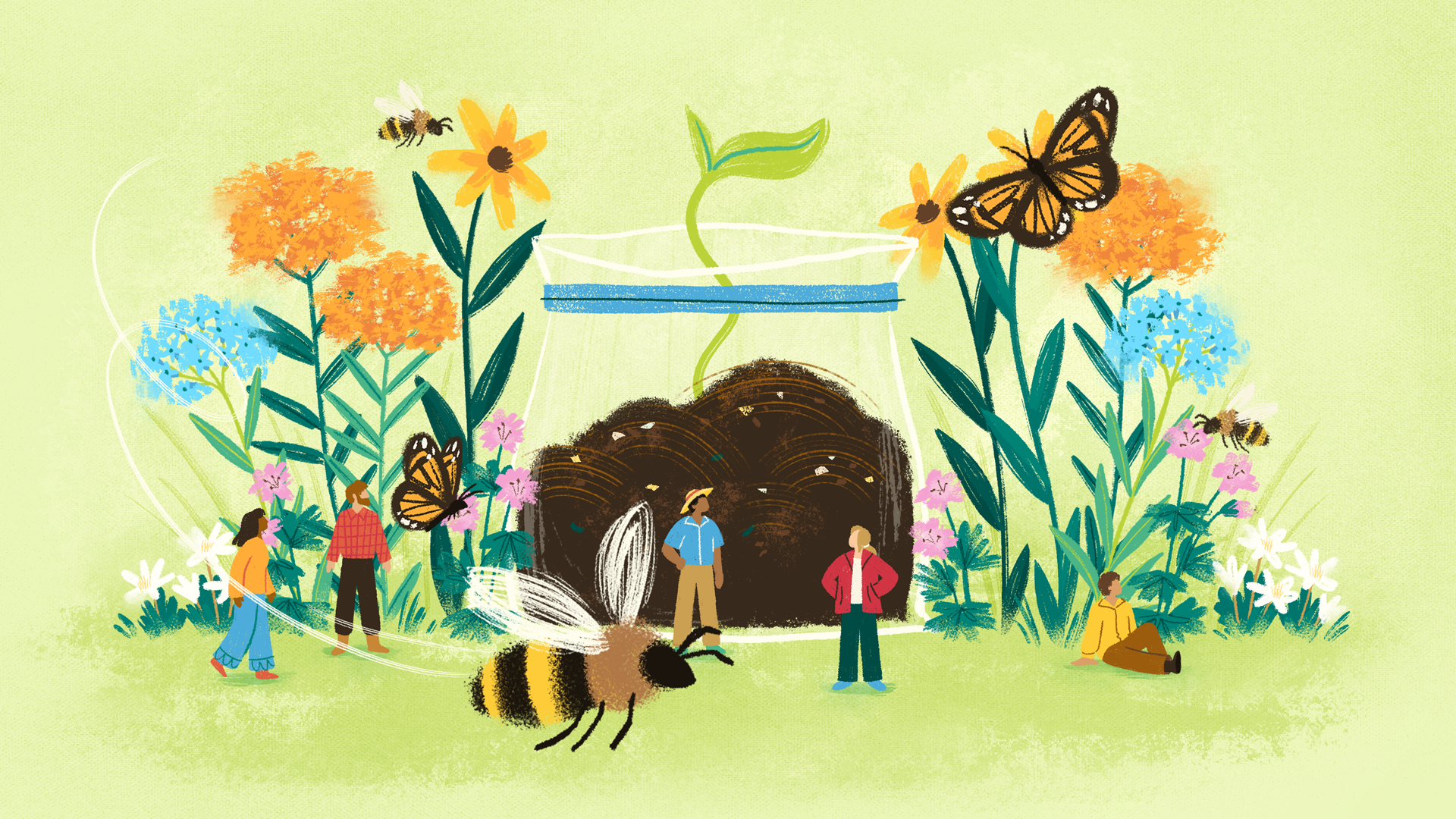
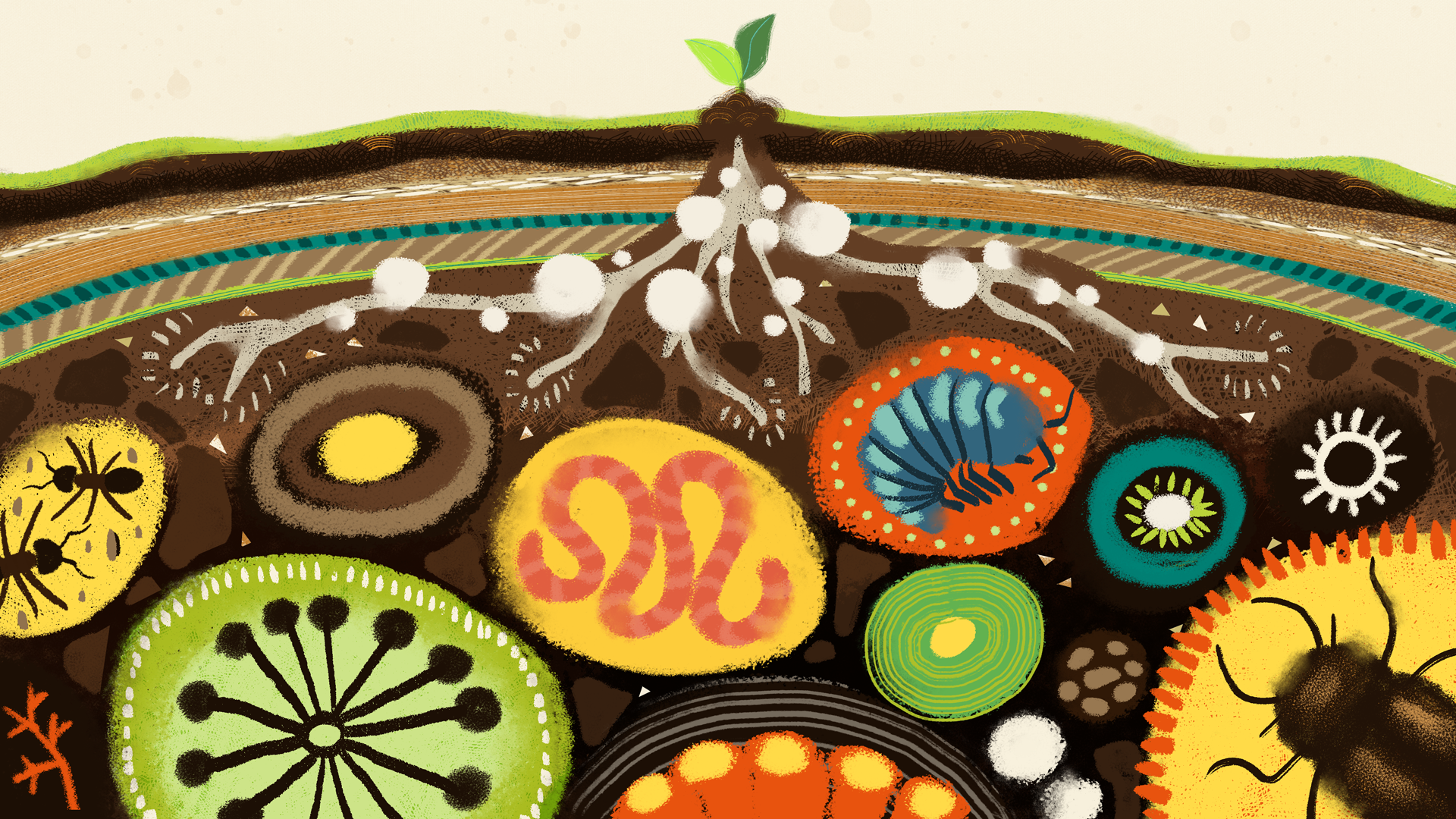
For the Soil Health Institute, we created a hand-drawn animated film presenting the organization, its goals and the wider scope of its work.

The animation was designed to work across different communication needs. It could introduce the organization to external audiences while also helping new team members understand its work during onboarding.

This type of environmental animation is useful when an organization needs more than a one-off campaign video. A strong visual identity and clear storytelling can become part of a broader communication system, helping an organization explain what it does to donors, partners, employees and the public.


Climate change animation can also become a campaign

An environmental animation does not have to focus only on one long-form explainer.

For Acumen’s Food Talks campaign during NYC Climate Week, Animwood created six animated videos featuring everyday foods as characters. Each character represented a food that could be affected by climate change, turning a complex environmental issue into a short and memorable story.

The campaign included characters representing cocoa, coffee, maize, mango, tomato and lettuce.

The Acumen Food Talks project is a good example of how character animation can bring an environmental message into social media and campaign communication.

Character-driven communication can be particularly effective when the subject is serious but the audience needs a simple entry point into the topic. We explore this approach further in our article about animated mascots and brand characters.


Choosing the right style for an environmental animation

There is no single animation style that works for every climate or environmental project.

A policy explainer might benefit from clean vector animation and clear diagrams. An environmental awareness campaign could use hand-drawn animation to create a more emotional and human feeling. A scientific subject might require motion graphics, diagrams or a documentary-inspired visual language.

At Animwood, we work across 2D animation, cel animation, cut-out animation, character animation, motion graphics and mixed-media techniques.

The important part is not choosing a style because it looks impressive. The style needs to support the information and the audience.

For more examples, explore the wider Animwood project portfolio, which includes nonprofit films, animated documentaries, explainers, social content and educational productions.


Animation for nonprofits, NGOs and environmental organizations

Climate change and environmental protection organizations often need to communicate with several audiences at once: donors, policymakers, partners, employees, local communities and the general public.

Animation can help create a common visual language across these audiences.

A single production can also be adapted into shorter social media edits, campaign assets or different aspect ratios for digital platforms. This approach can make an animated film useful beyond its original publication.

Animwood is a creative animation studio based in Kraków, Poland, working with organizations and clients internationally. Our team handles the production process from concept and scriptwriting through art direction, animation and final delivery.

You can learn more about the studio and our production capabilities on the Animwood studio page.


FAQ about climate change and environmental animation

What is climate change animation?

Climate change animation is animated video content used to explain climate science, environmental issues, sustainability, climate policy or the effects of human activity on the planet.

Why do nonprofits use animation for environmental communication?

Animation can simplify complex subjects, visualize information that cannot easily be filmed and make educational or campaign messages easier to understand and remember.

Can animation explain environmental policies?

Yes. Animation can visualize processes, regulations, permits and policy systems that may otherwise be difficult to explain. The California Native Plant Society CEQA project is one example.

What types of environmental topics can be animated?

Environmental animation can cover climate change, conservation, biodiversity, sustainability, soil health, environmental policy, pollution, renewable energy and protection of natural resources.

Can climate change animations be used on social media?

Yes. Longer educational films can be adapted into shorter animations for social media campaigns, awareness initiatives and digital advertising.

Can Animwood produce animation for NGOs and nonprofits?

Yes. Animwood works with nonprofits, NGOs, foundations and purpose-driven organizations on animated explainers, educational films, campaigns and other forms of social impact content.

Looking for an environmental animation studio?

If you are a nonprofit, NGO, environmental organization or purpose-driven company looking for an animated video about climate change, sustainability or environmental protection, get in touch with Animwood.


Need a climate change video?

Contact us at  newbusiness@animwood.com  to discuss your project.


SHARE IT

OUR SERVICES

EXPLAINER
VIDEO

ANIMATED FILMS

ANIMATED
COMMERCIALS

ANIMATED
CONTENT