There are three main reasons why animation works particularly well for cybersecurity communication.
1. Making Abstract Concepts Easier to Understand
Cybersecurity operates largely behind the scenes. Data encryption, access management, network protection, authentication and threat detection are processes that cannot easily be demonstrated with a camera.
Animation gives us the freedom to represent these concepts visually. Data can become moving graphic elements, security systems can be represented as interconnected environments, and complex processes can be translated into simple visual sequences.
Instead of relying on technical explanations alone, viewers can follow a visual story that demonstrates how a product or service works.
This is particularly useful for cybersecurity companies developing software, SaaS platforms and digital security tools that need to communicate their value to customers who may not have a technical background.
2. Visualising the Digital World
How do you show something that has no physical form?
A digital environment can be difficult to communicate through conventional video production. There is no physical network, database or cloud system that can simply be filmed in a studio.
With animation, however, we can build these environments from scratch.
3D CGI allows us to create digital spaces, camera movements and detailed visual representations of technological infrastructure. Motion graphics can illustrate data flows, connections and processes, while 2D animation can simplify interfaces, systems and interactions.
Combining these techniques also creates opportunities for more sophisticated visual storytelling.
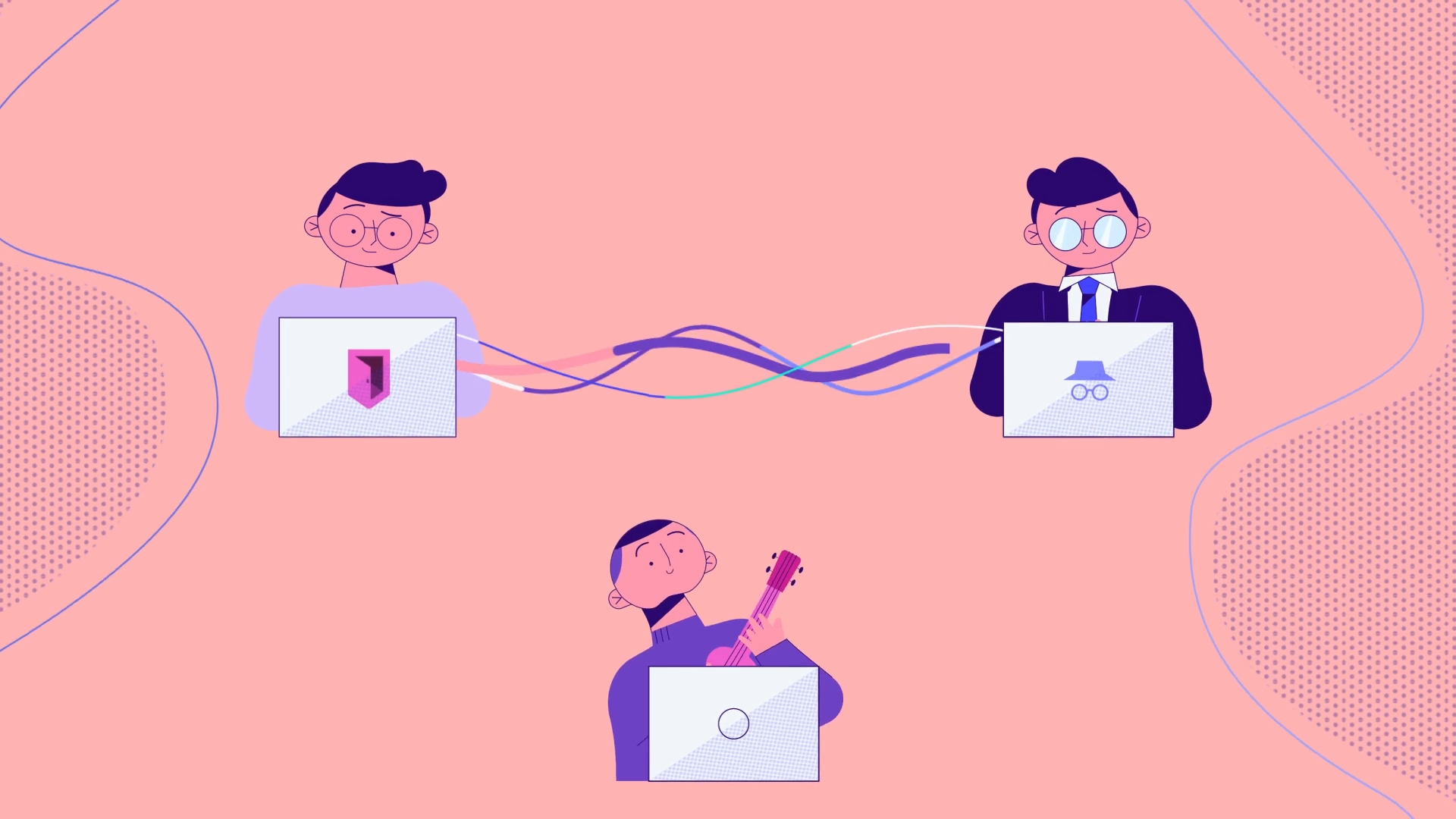
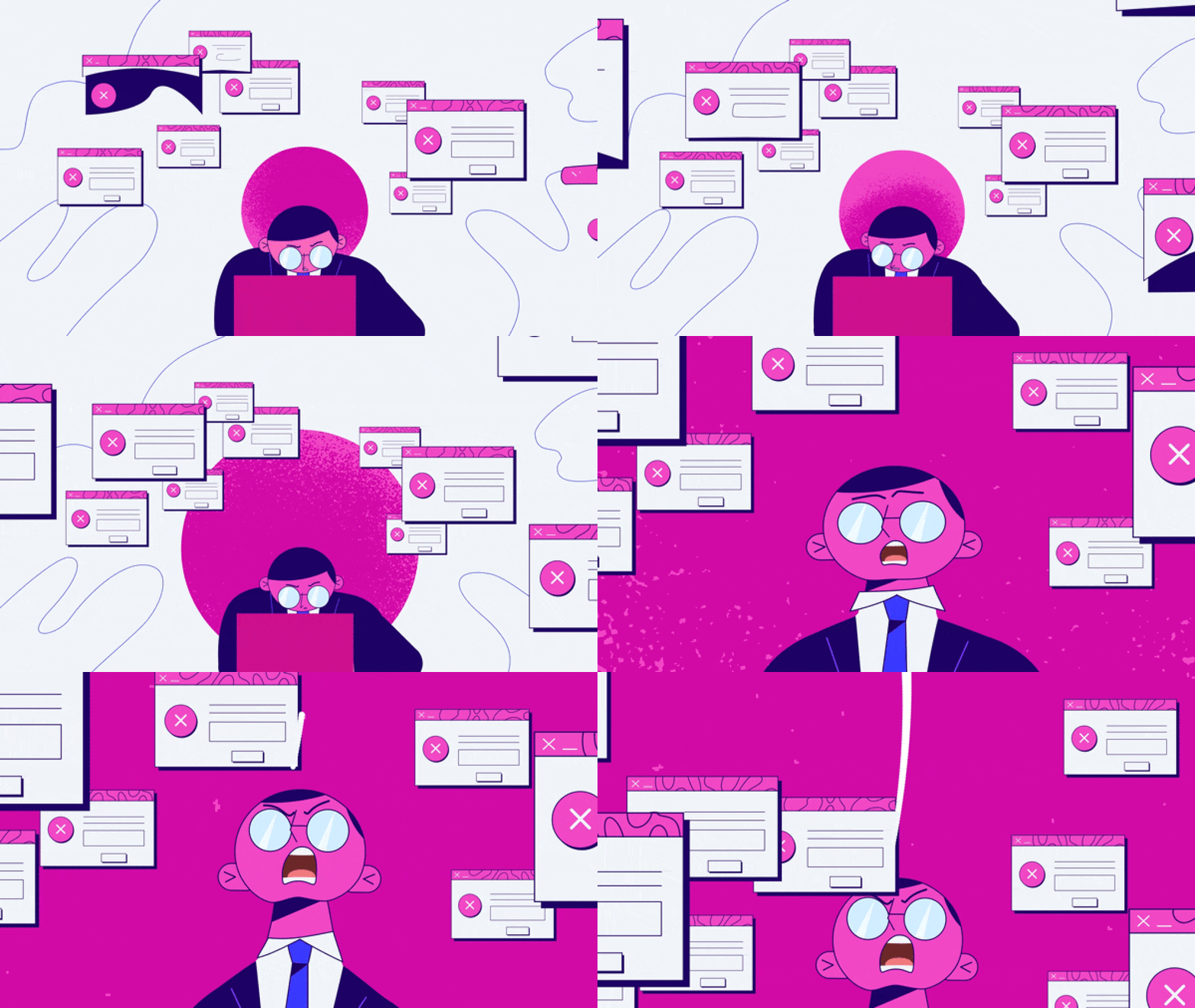
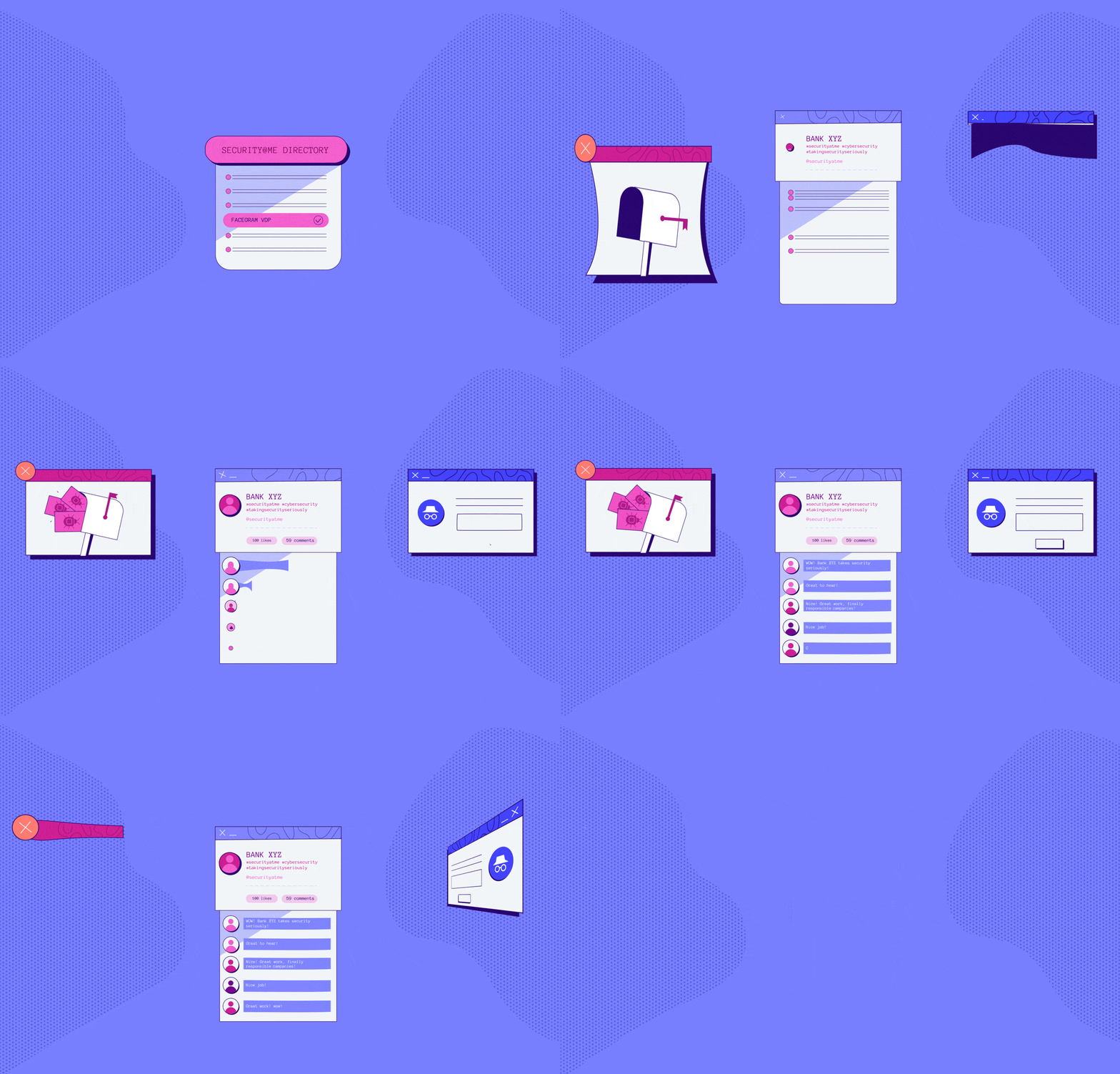
Our work for Amazon Studios Technology is a good example of this approach. The cybersecurity explainer combines traditional 2D animation, cut-out techniques and 3D elements to present technological processes through an engaging visual narrative.
You can see the production here:
Amazon Studios Technology – Cybersecurity Explainer Video