Social Impact Animation: How Animation Makes Important Ideas Impossible to Ignore

AUTHOR: Rafał CATEGORY: Non-profit animations

Some stories are difficult to film.

A historical event has already happened. A social system has no physical shape. A traumatic experience exists mostly in memory. And the future crisis has not happened yet.

This is where social impact animation can make a difference.

Animated videos help NGOs, nonprofits, foundations, activists, think tanks and public institutions turn complex social issues into visual stories that people can understand, remember and act on.

Animation can explain a problem, but it can also give that problem a face, a rhythm, a metaphor and an emotional language.

For organisations working on issues that are complex, sensitive or difficult to film, animation can become more than a communication tool. It can become a way of making an important idea visible.

What Is Social Impact Animation?

Social impact animation is animated content created to communicate an issue that matters to society and encourage awareness, understanding or action.

NGOs, nonprofits, foundations, charities and public institutions use social impact videos to support awareness campaigns, advocacy, fundraising, education, public information, social media communication, events, research and policy communication.

The subject can be almost anything: human rights, climate change, migration, inequality, healthcare, education, democracy or social justice.

The challenge is not simply explaining the issue.

The challenge is making people care about it.

That is where storytelling, character, visual metaphor, sound and animation can make a significant difference.

Why Use Animation for Social Impact?

Animation is particularly effective when a story goes beyond what a camera can capture.

Visualising complex social issues

Many social issues are systems rather than individual events.

Inequality, misinformation, climate change, political structures or access to healthcare involve relationships, processes and consequences that are difficult to show through conventional footage.

An animated explainer video can turn those systems into something visible through symbolic and metaphorical representations.

Characters can represent different groups. Environments can be simplified. Data can become part of the story through animated infographics or graphs. Abstract relationships can become physical.

Instead of asking the audience to understand a complicated system intellectually, animation can give them something to see, follow and remember.

Animation can bring history back to life

Some stories have no footage or photographs.

Animation can reconstruct historical events, places and experiences while giving filmmakers control over the visual language.

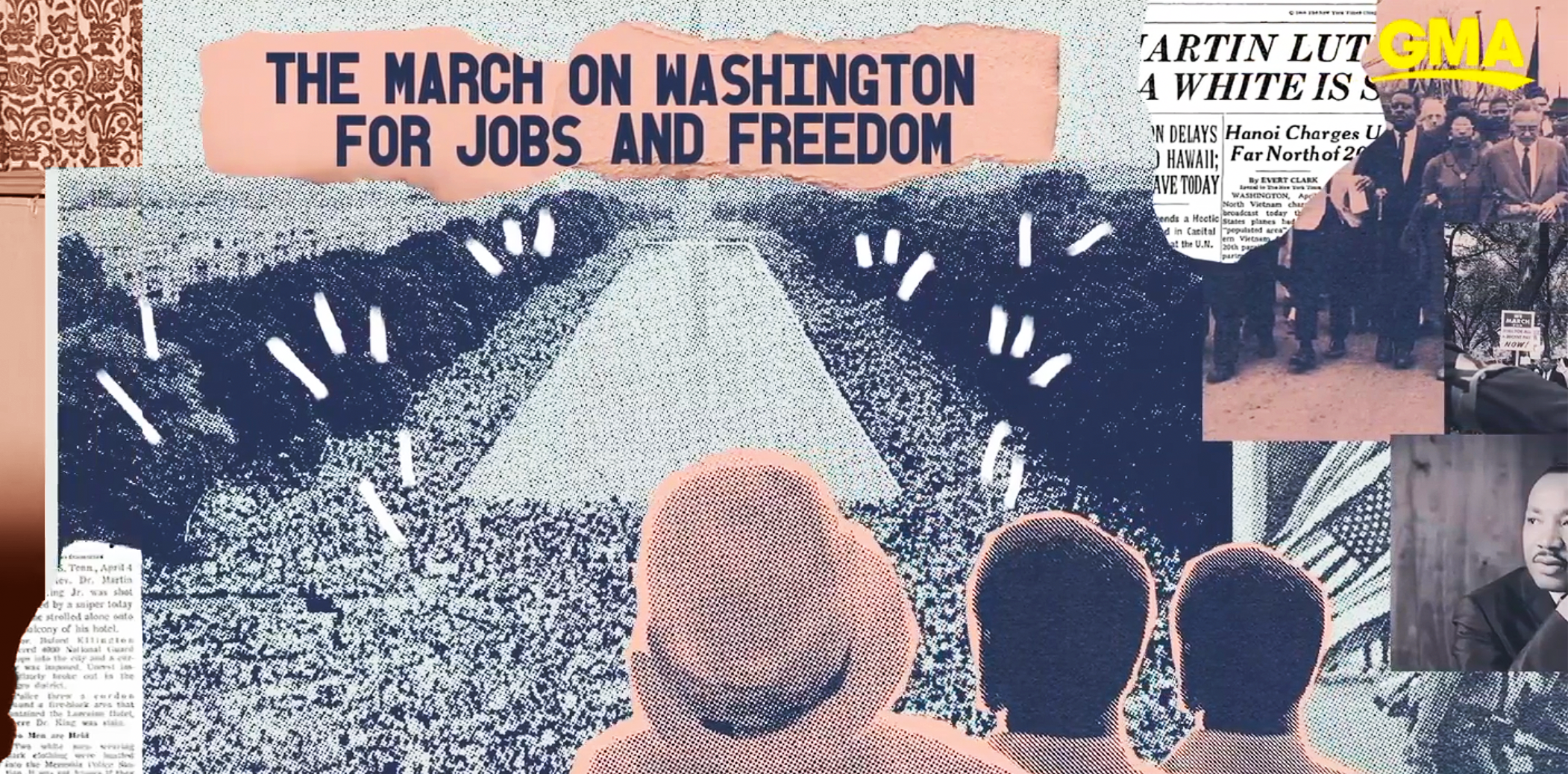
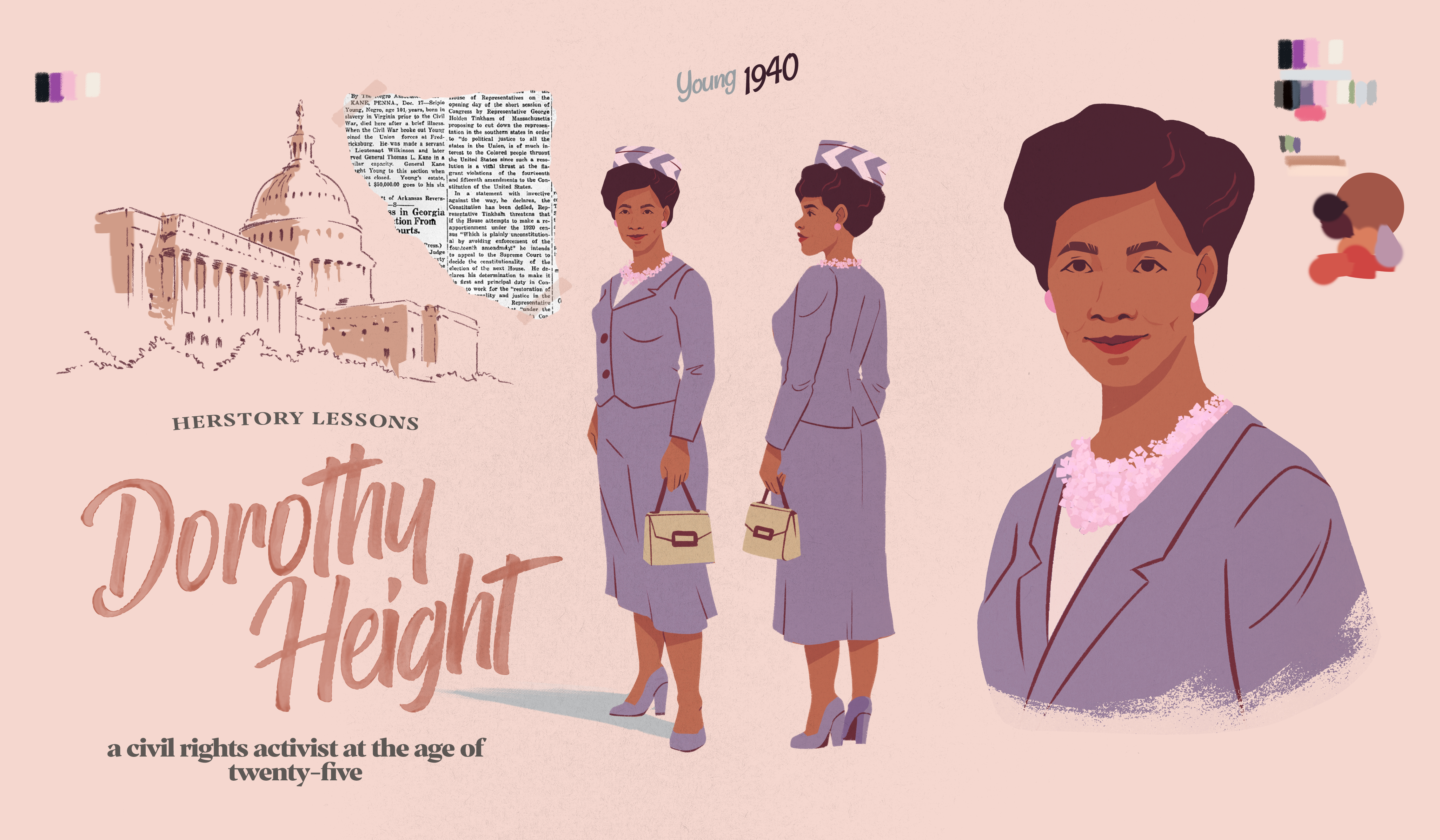
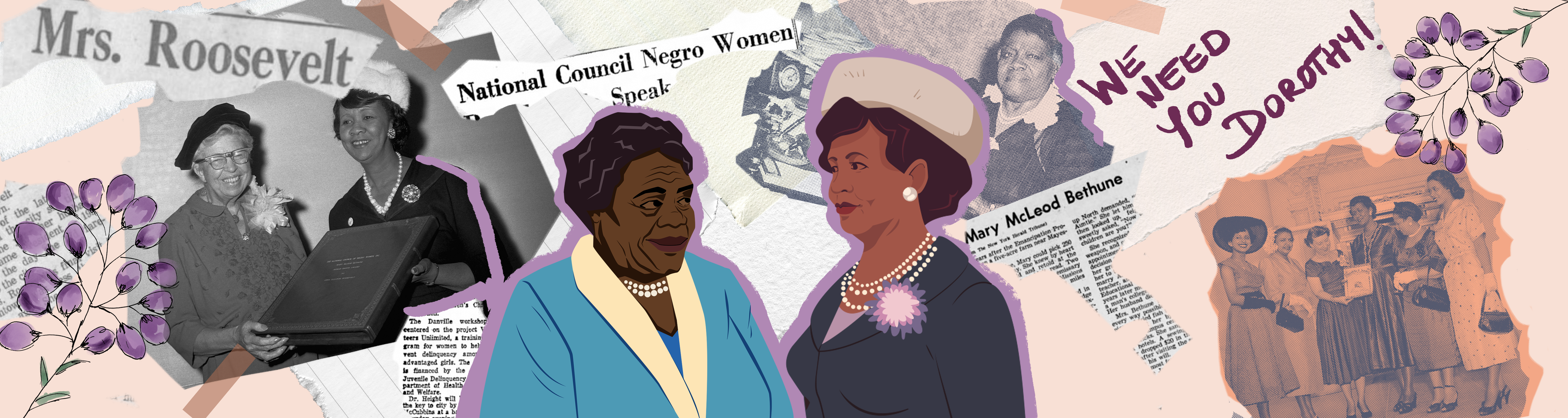
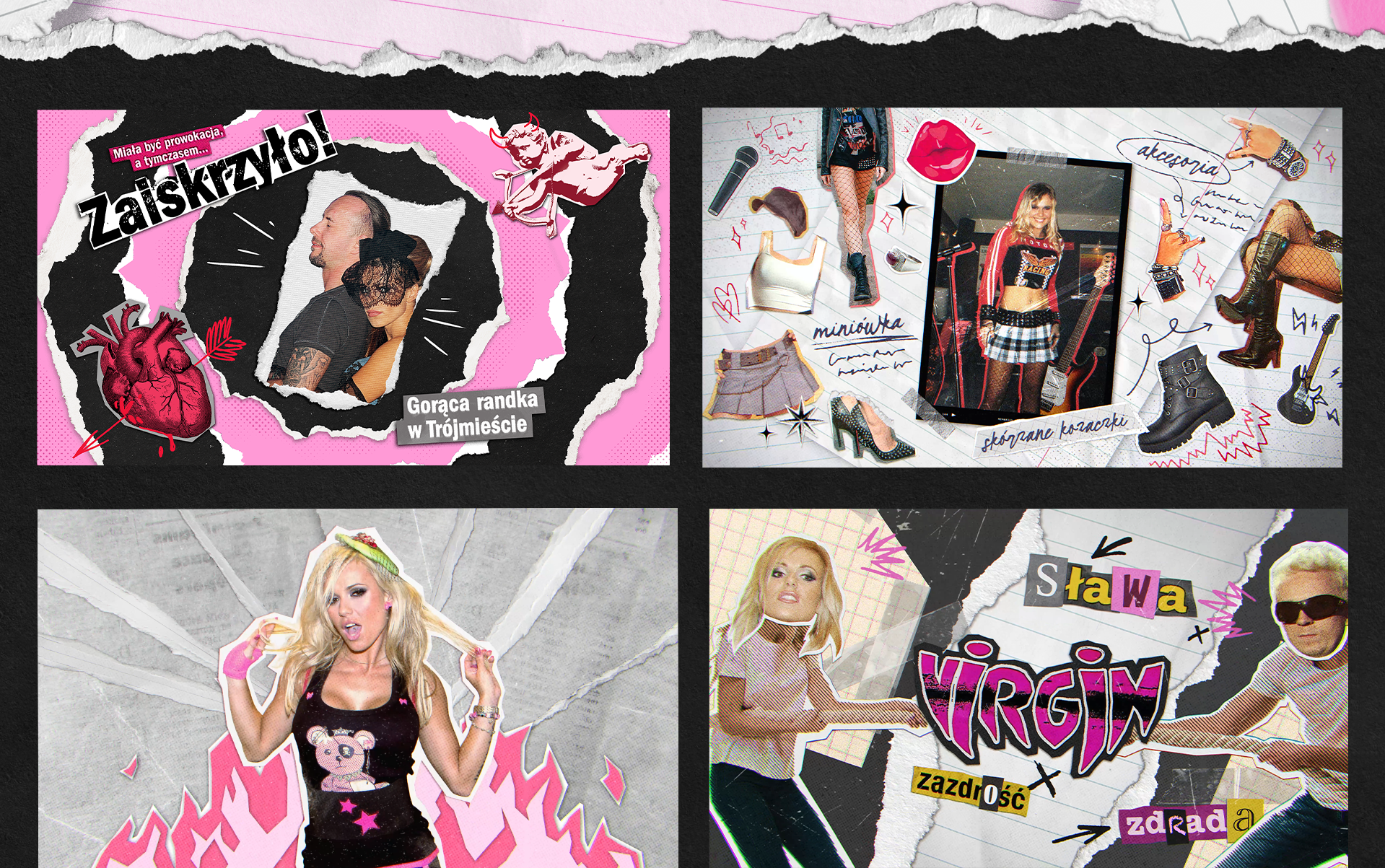
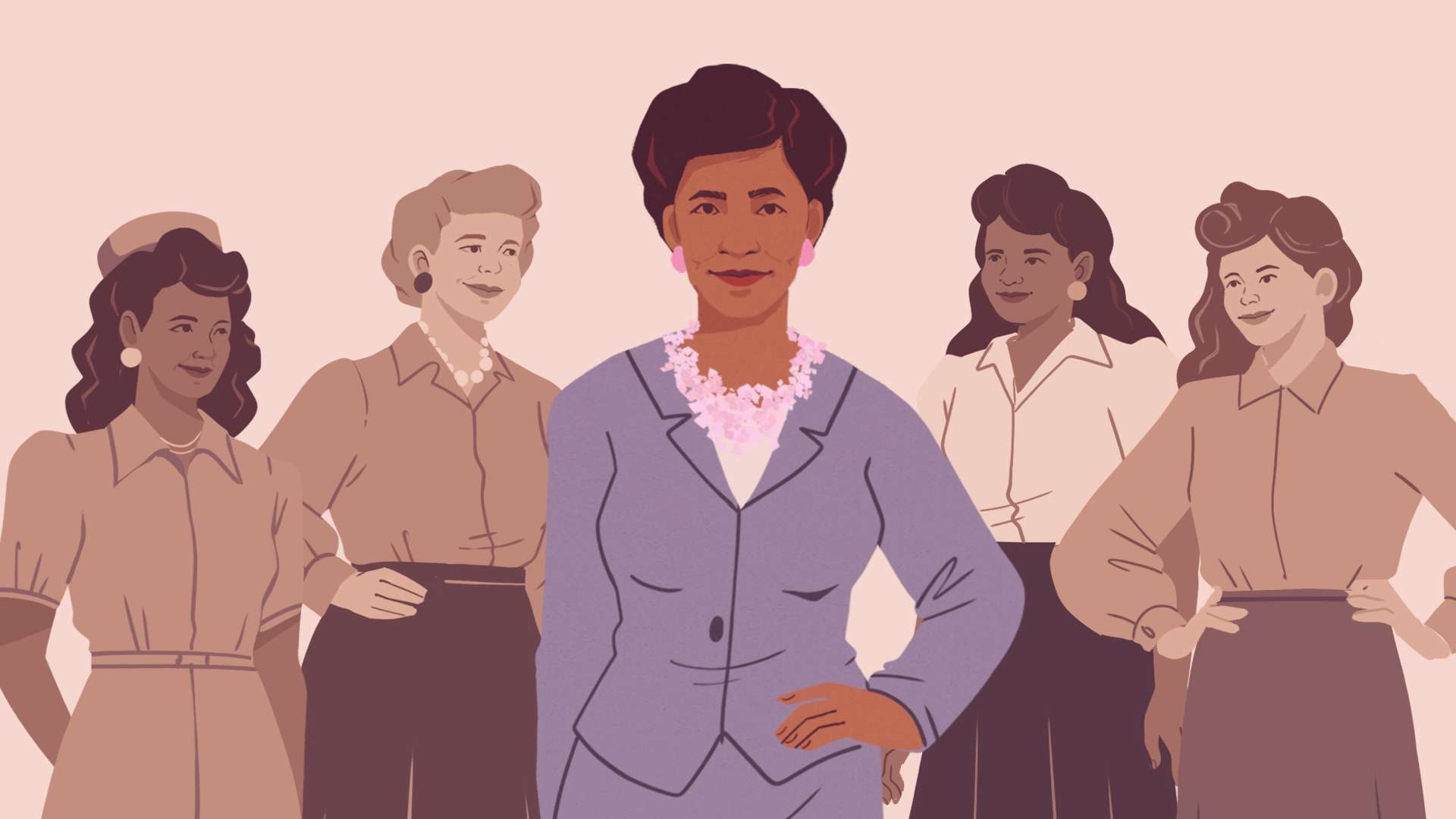
Animwood explored this approach in Herstory, an animated documentary series about women who made an impact on history, using symbolism, stylised typography and different visual palettes to bring their stories to life.

This is one of the strengths of animated documentary storytelling. Animation can fill visual gaps without pretending that archival footage exists where it does not.

Some things simply cannot be filmed

How do you film a memory?

How do you show systemic discrimination?

What does fear look like?

How do you visualise a possible future?

Or a moving, childlike perspective?

Animation gives these questions a visual form.

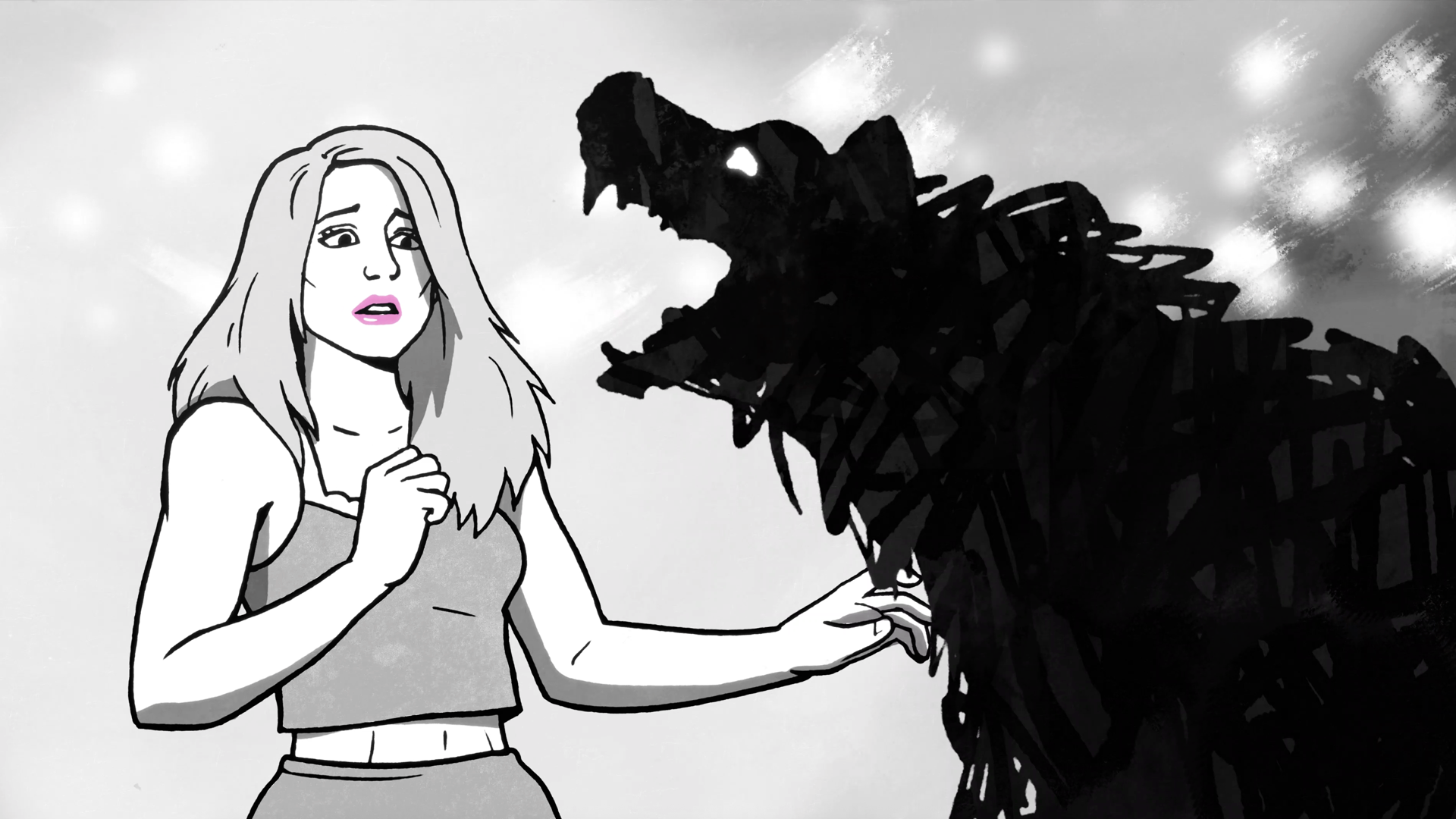
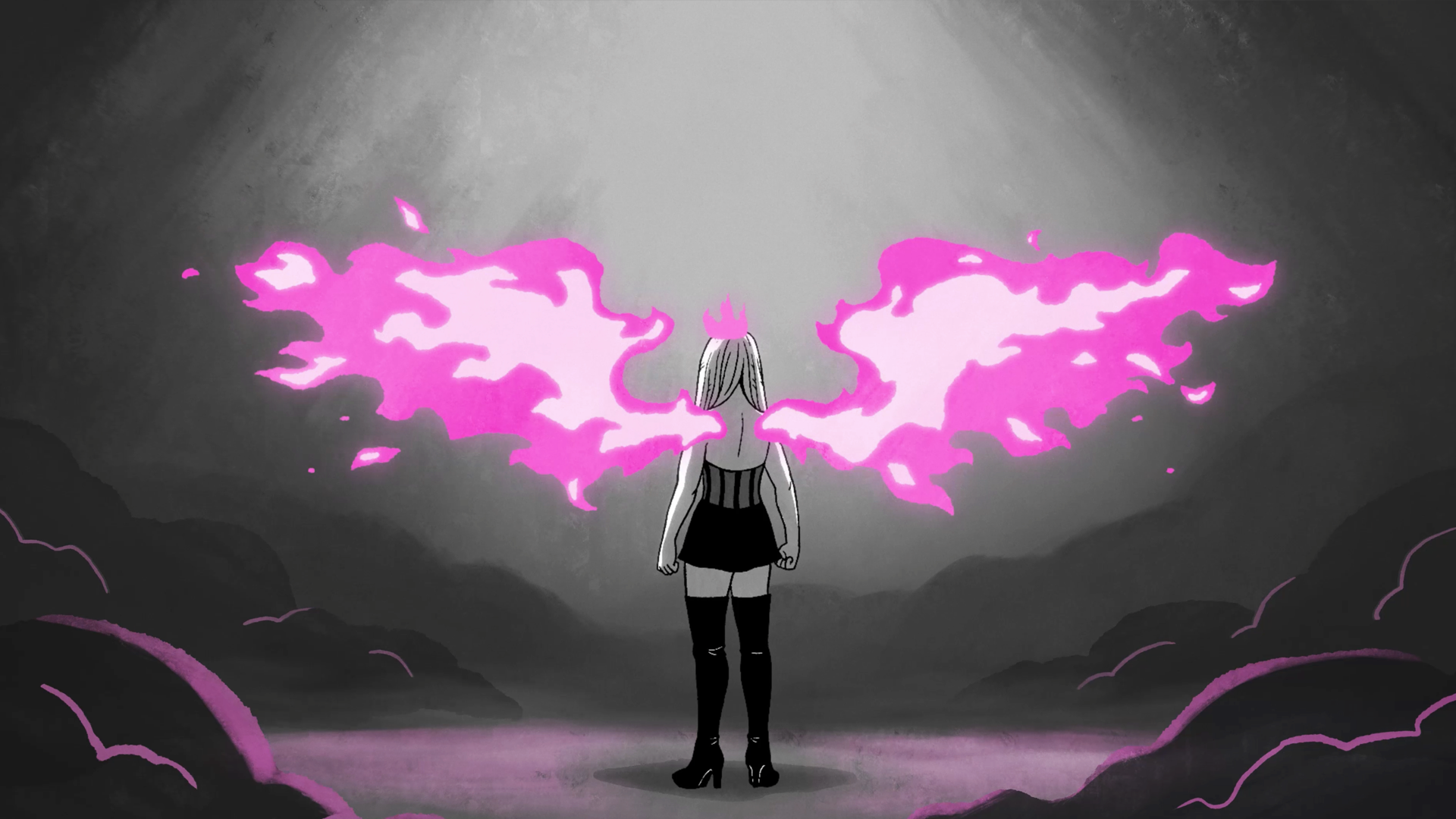
Our work on Rebuilding Shattered Lives for APIL used animation to tell the story of a family dealing with the aftermath of a serious accident, combining emotional character animation with abstract shapes and visual storytelling.

For sensitive subjects, this flexibility can make animation particularly powerful.

The Power of Visual Metaphor

The most interesting social impact animation does not always show the problem literally.

Visual metaphors, symbols and allegories can communicate an idea quickly while leaving room for the audience to interpret it.

This is where artistic animation and social impact storytelling can meet.

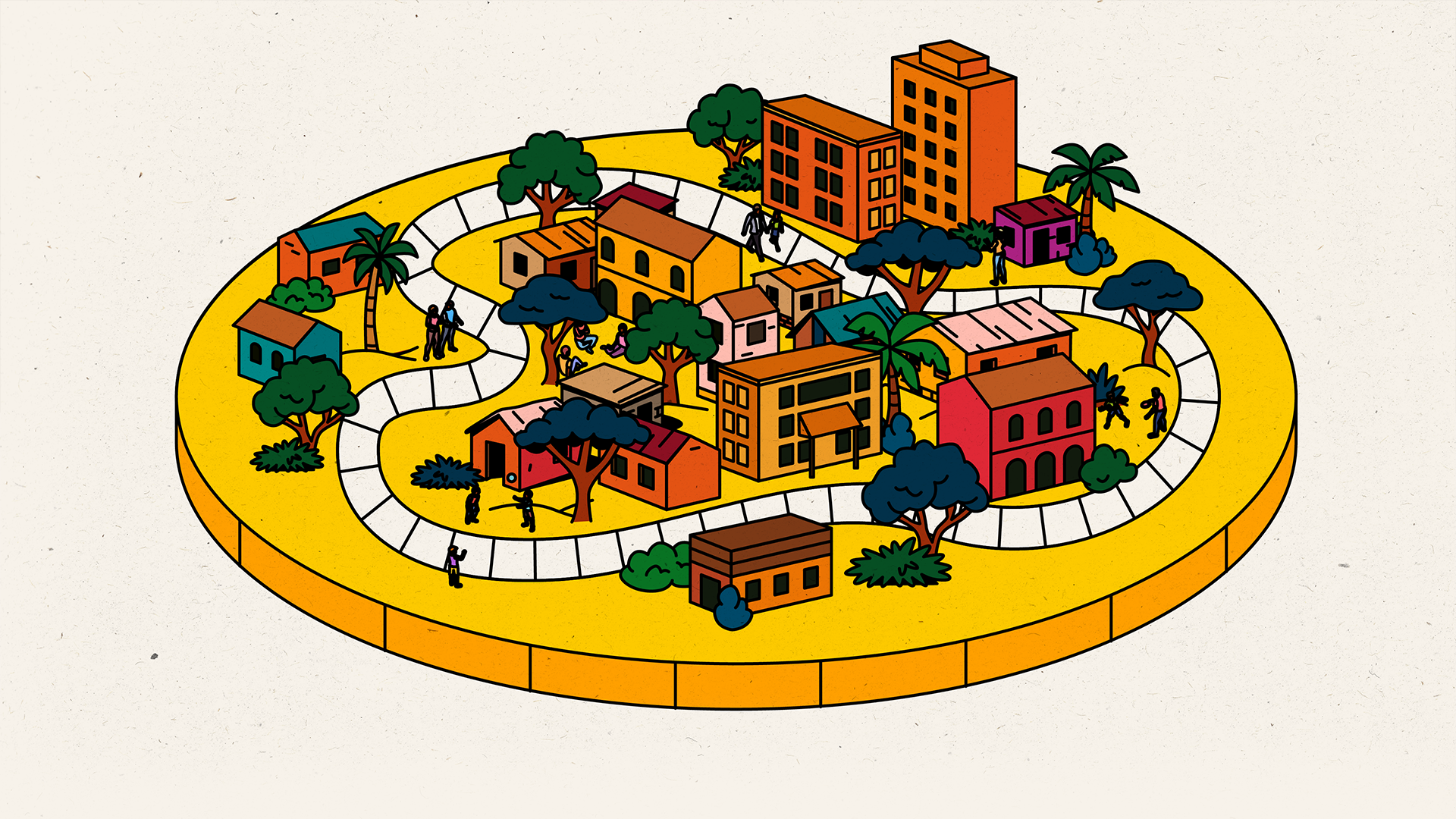
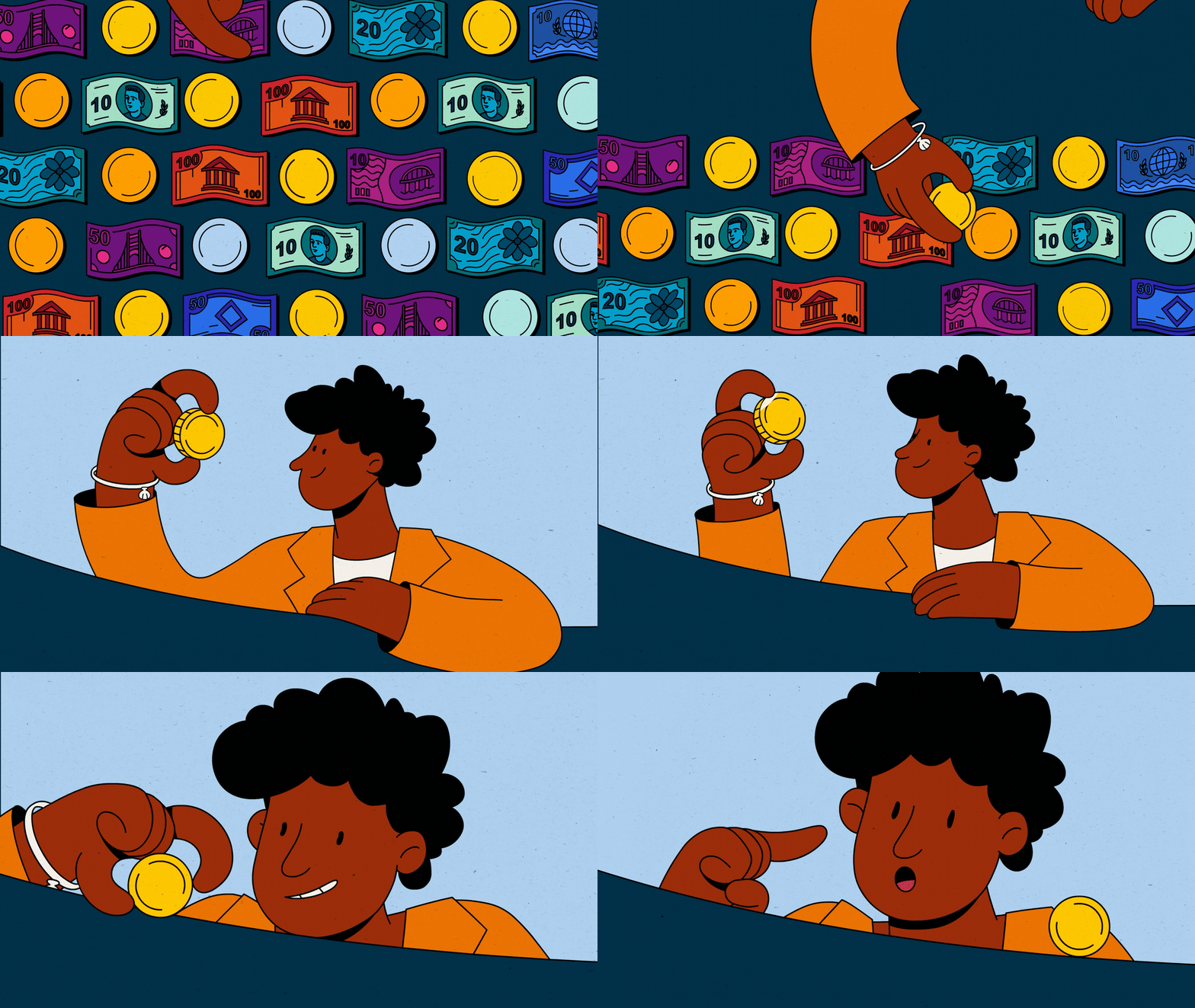
A good example is Acumen's The Journey of the Dollar.

Instead of explaining the impact of a donation through statistics alone, the film follows a single dollar as it moves towards communities and long-term solutions to poverty.

The idea becomes a story.

The statistic becomes a journey.

And the audience has something concrete to follow.

For social impact campaigns, this kind of visual storytelling can make an abstract subject more accessible and emotionally engaging.

Animation and Live Action Can Work Together

Animation does not have to replace live action.

Real people can provide authenticity and personal experience, while animation can visualise the parts of their story that cannot be filmed.

A testimonial can lead into an animated memory, an abstract visualisation or a fully illustrated infographic. This combination can make a documentary or campaign film more expressive without losing the authenticity of real people.

Animwood's experience across animated documentaries and mixed media demonstrates how animation can become part of a larger filmed story.

DODA, an animated documentary series available on Amazon Prime Video, combines live-action documentary footage with hand-drawn animated inserts and reconstructed events.

The format should follow the story.

Sometimes the right solution is animation. Sometimes it is live action. And sometimes the strongest film combines both.

Ethical Storytelling in Social Impact Animation

Social impact videos often deal with real people, difficult experiences and vulnerable communities.

That makes visual decisions particularly important.

The goal is to create emotional engagement while maintaining dignity, accuracy and respect.

Representation matters. Cultural context matters. And the way a community is portrayed matters.

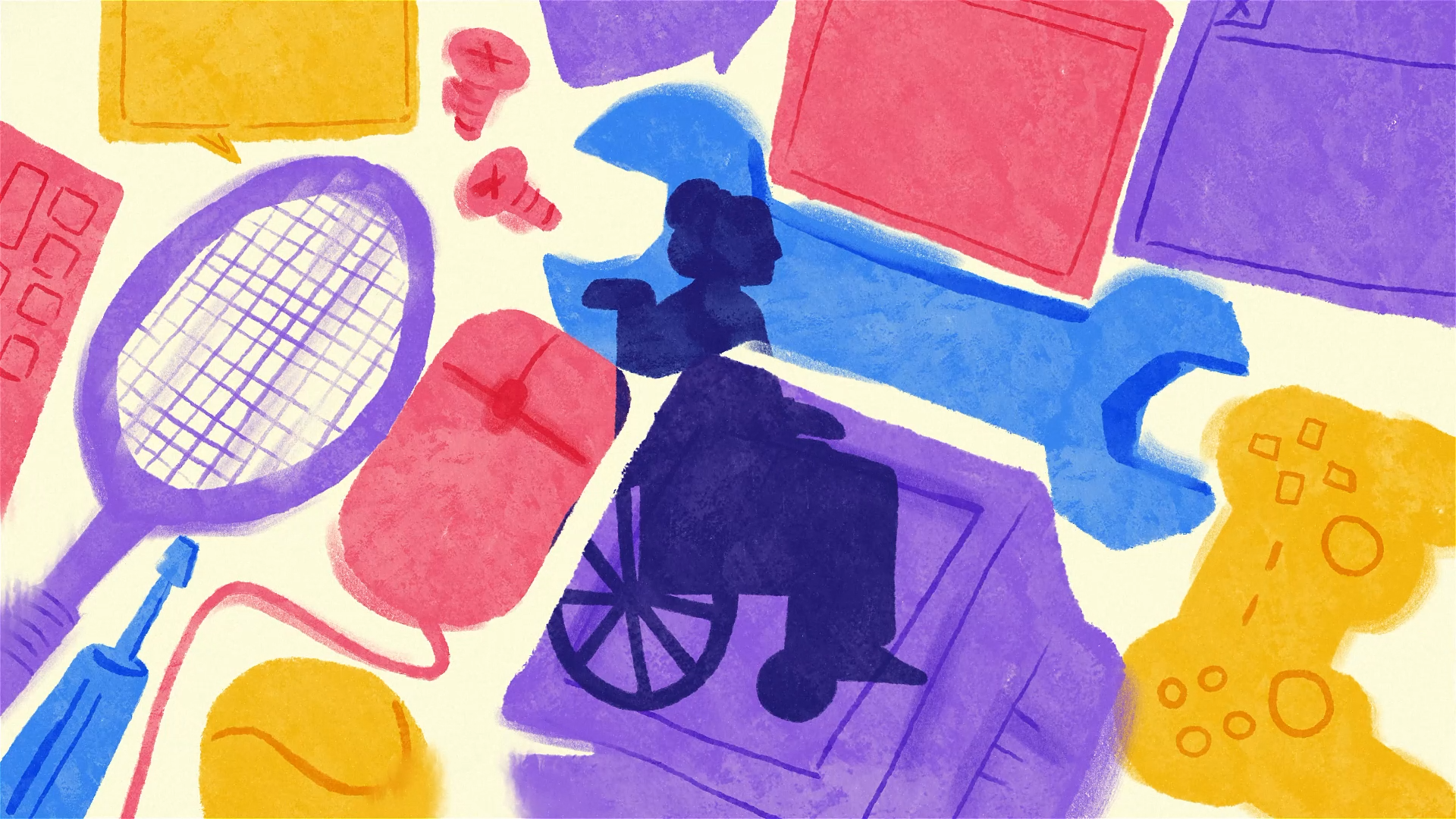
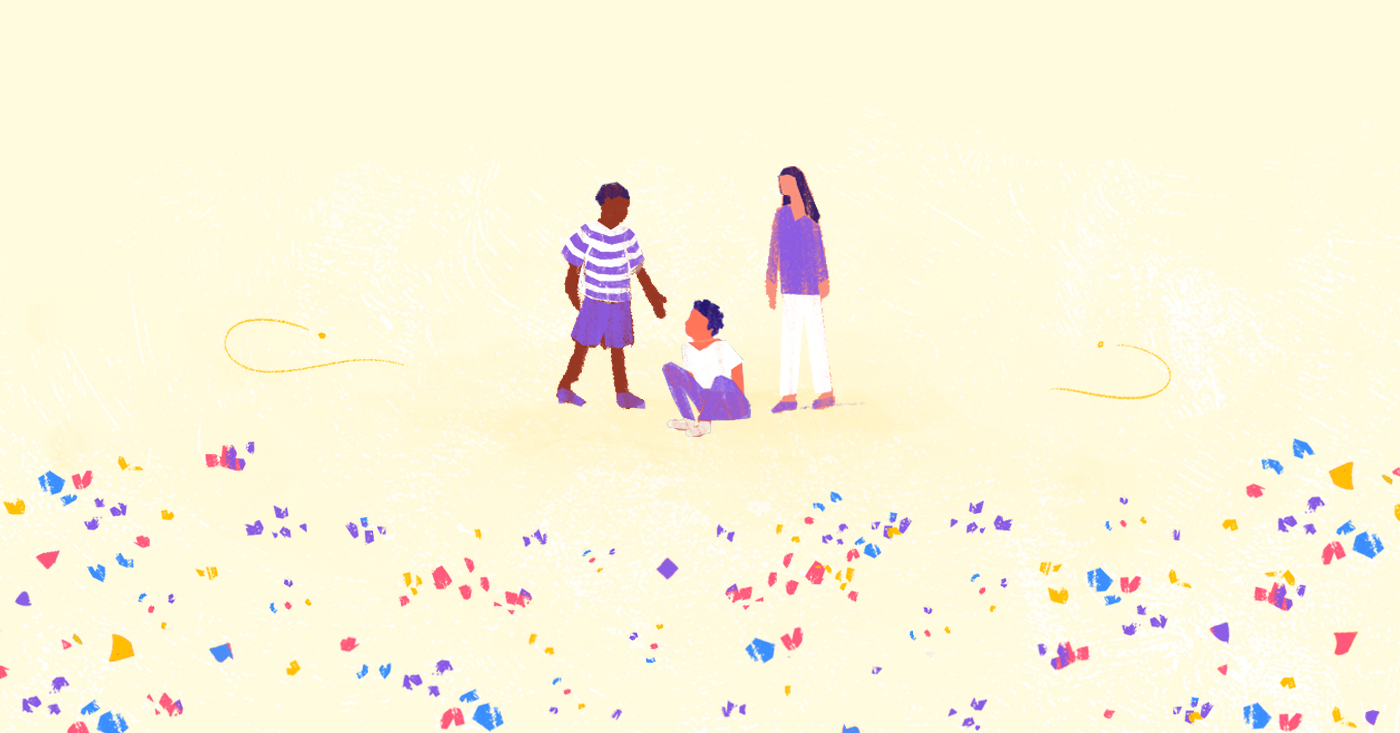
Our Anti-Bullying Alliance animation used a hand-drawn, painterly style to communicate the impact of bullying while supporting the organisation's campaign.

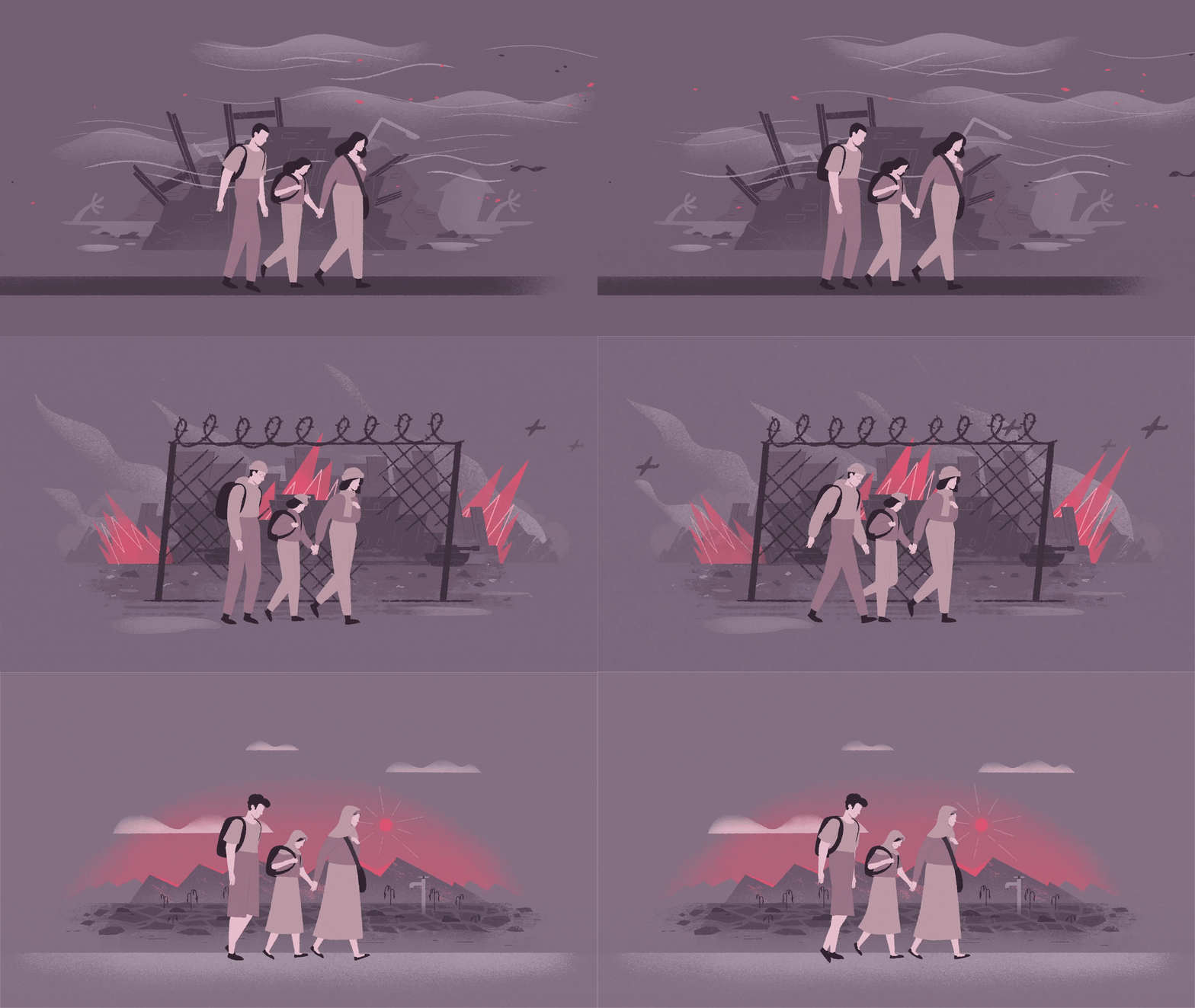
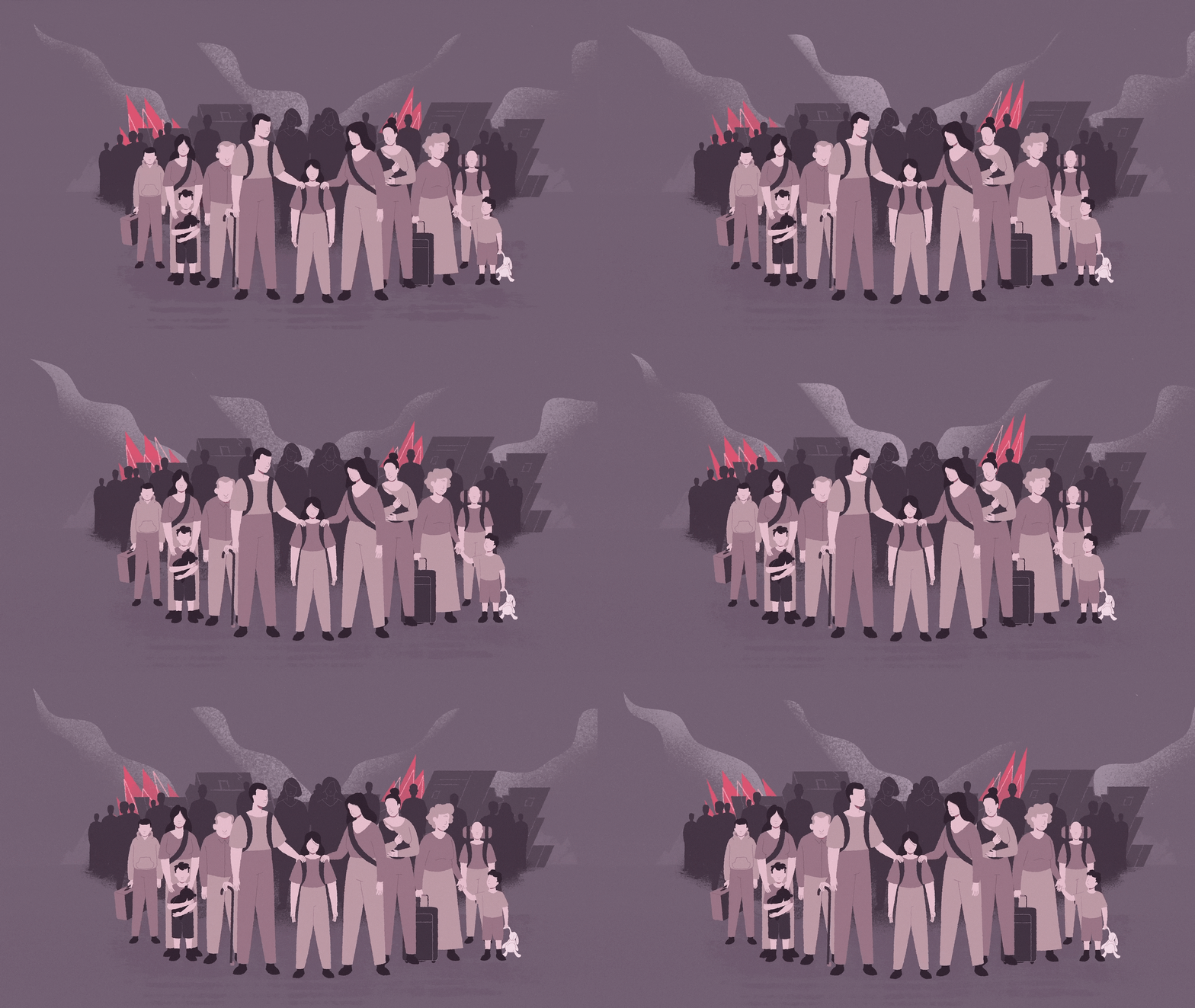
Similarly, our World Relief animation about forced displacement focused on creating a clear, human-centred visual narrative for a complex and emotional subject.

The more sensitive the subject, the more carefully its visual language needs to be considered.

Good nonprofit animation is not simply about making something visually attractive. It is about making creative decisions that serve the people, message and purpose behind the film.

Make the Visual Language Part of the Message

A social impact video can be informative and still have a strong artistic identity.

The illustration style, character design, composition, movement, typography, colour and sound can all contribute to the meaning of the film.

At Animwood, we work with illustrators and animation artists to create original visual languages for social impact campaigns.

Our animation portfolio includes animated documentaries, nonprofit campaigns, explainers, social media content and other forms of visual storytelling.

A distinctive visual identity can help a campaign stand apart from generic visual content and give audiences something recognisable.

This matters especially when an organisation needs to communicate the same idea across multiple channels.

What Are Social Impact Videos Used For?

Fundraising

Fundraising videos help organisations communicate the problem they are addressing, explain their work and build an emotional connection with donors.

The Journey of the Dollar for Acumen is one example of an animated fundraising video designed around the impact of an individual donation.

We also created six shorter versions for social media, allowing the central idea to work across different formats.

Advocacy

Advocacy videos can explain complex political or social issues and encourage people to support a specific campaign or position.

Projects such as Rebuilding Shattered Lives for APIL show how character-driven animation can communicate a campaign message through a personal story.

Awareness campaigns

Animation can make an issue understandable and memorable, particularly when the subject is complex or abstract.

For example, Acumen's Food Talks campaign used six animated food characters to communicate the potential impact of climate change on everyday foods.

Characters gave an otherwise complex subject a more approachable and memorable form.

NGO and nonprofit communication

Animated videos can introduce an organisation, explain its mission, present research or communicate the impact of its work.

Animwood's nonprofit animation projects include work for organisations such as World Relief and the Anti-Bullying Alliance.

Events, conferences and social media

Animation can also support events, conferences and digital campaigns. A short animated film can introduce a campaign, open a presentation or provide context before a discussion, while shorter versions can be adapted for Instagram, LinkedIn, TikTok, YouTube and other platforms.

This makes animation particularly useful when one core message needs to work across different audiences and channels.

From One Film to a Larger Campaign

A good social impact animation can become more than one video.

The main film can generate:

  • short social media edits
  • vertical versions
  • campaign teasers
  • subtitled versions
  • different language versions
  • event edits
  • still images and GIFs

For Acumen's The Journey of the Dollar, for example, we created six cut-down versions in different aspect ratios for social media.

This makes animated campaign videos useful as part of a larger communication strategy.

The film becomes one visual asset that can support a campaign across multiple platforms.

Emotional Impact Should Lead Somewhere

A social impact video should not create emotion simply for the sake of emotion.

The emotion should support the purpose of the campaign.

A fundraising video might lead to a donation. An advocacy film might lead to signing a petition. An awareness campaign might encourage someone to share information. An NGO introduction might lead a potential partner to learn more.

The strongest social impact videos connect emotion with a clear next step.

That is why the call to action should be considered from the beginning of production rather than added after the film is finished.

The message, ending, visual language and CTA should work together towards the campaign's actual goal.

What Makes a Good NGO Video?

A good NGO video has a clear message, understands its audience and gives the viewer a reason to care.

It combines strong storytelling with an appropriate visual language and a clear purpose.

Production quality matters too. The film needs to create the right emotional and storytelling impact while remaining coherent with the organisation's brand.

When an organisation is asking people to trust its mission, the quality and thoughtfulness of its communication become part of that message.

For this reason, choosing an animation studio for an NGO or nonprofit campaign is not only a production decision. It is also a storytelling and communication decision.

How to Choose the Right Animation Approach

There is no single animation style that works for every social impact project.

A campaign might need hand-drawn animation because the subject is personal and emotional. Another project might benefit from a clean motion graphics approach because it needs to explain data or a process. A documentary may require a combination of live action and animation, while a fundraising campaign may need memorable characters that can be reused across multiple pieces of content.

The right approach depends on the audience, subject, communication goal, emotional tone, available footage and assets, campaign channels, production timeline and the possibility of creating additional content from the main film.

The visual style should serve the message, not the other way around.

Social Impact Animation by Animwood

Animwood produces high-production social impact videos and animation for NGOs, nonprofits, foundations, activists, think tanks and institutions.

We combine storytelling, animation and artistic direction to create films with their own visual identity.

Our production process can cover concept development, scriptwriting, visual development, illustration, character design, storyboarding, animation, sound design, final delivery and adaptation for different formats and platforms.

Explore our animation services or browse our full portfolio of animation projects.

Some stories need a camera. And some need animation.

We help find the right visual language for the story.

Have an important idea that is difficult to explain or impossible to film? Let's give it a visual language.

Contact us at:

newbuiness@animwood.com

Frequently Asked Questions

What is social impact animation?

Social impact animation is animated video created to communicate social issues, raise awareness, support advocacy, educate audiences or encourage action. It is commonly used by NGOs, nonprofits, charities, foundations and public institutions.

Why is animation effective for NGOs?

Animation helps NGOs explain complex issues, visualise abstract concepts, reconstruct historical events and communicate sensitive subjects through metaphor, character-driven storytelling and visualisation.

What are social impact videos used for?

Social impact videos can be used for fundraising, advocacy, awareness campaigns, education, nonprofit communication, social media, research communication, public information and events.

Can animation and live action be combined?

Yes. Combining animation and live action can bring together the authenticity of real people and places with the visual possibilities of animation. This approach is particularly useful for documentaries, testimonials and stories involving memories or events that cannot be filmed.

How long should a social impact video be?

The ideal length depends on the audience, platform and communication goal. Short social media videos may work within seconds, while campaign films and animated explainers can run longer when the subject requires more context.

The important question is not simply how long the video should be, but how much time the audience needs to understand the message and take the intended next step.

How much does social impact animation cost?

The cost depends on factors such as film length, visual style, animation complexity, number of characters and locations, voice-over, sound design, languages and production requirements.

A simple motion graphics explainer and a character-driven animated documentary can have very different production requirements, so projects are best estimated based on the specific creative approach.

What should an NGO consider before producing an animated video?

Start with the communication goal and audience rather than the animation style.

Define what the viewer should understand, feel or do after watching the film. Then determine which storytelling approach, visual language, production format and distribution channels will best support that goal.

Can one animation become multiple campaign assets?

Yes. A central animated film can often be adapted into shorter edits, vertical videos, subtitled versions, language versions, stills, GIFs and other campaign assets.

Planning these adaptations during production can help an organisation get more value from the original animation.

SHARE IT

OUR SERVICES

EXPLAINER
VIDEO

ANIMATED FILMS

ANIMATED
COMMERCIALS

ANIMATED
CONTENT