Animation vs Live Action for Nonprofits: Which Video Production Approach Is Right?


AUTHOR: Rafał CATEGORY: Non-profit animations

When a nonprofit, foundation, NGO or social impact organization needs a new video, one of the first creative decisions is whether to use animation or live-action footage.

There is no universal answer. The right approach depends on the story, the audience, the available material, the budget and what the video needs to achieve.

For some subjects, real people and real locations are essential. For others, animation can explain complex ideas, represent experiences that cannot be filmed, and bring together people and places from across the world in one coherent visual story.

At Animwood, an animation studio based in Kraków, Poland, we work with organizations communicating issues ranging from poverty and displacement to education, climate and social change. Our nonprofit work includes animated campaigns, explainers, documentaries and mixed-media films for international audiences.

When is animation a good choice for a nonprofit video?

Animation is particularly useful when the subject is difficult to film or difficult to explain.

A nonprofit may need to communicate research, data, systems, social problems, policy issues or future scenarios. These subjects do not always have an obvious visual language. Animation allows the production team to create one.

It can also be a thoughtful way to approach sensitive topics. Instead of asking people to recreate difficult experiences for the camera, animation can use characters, symbolism, color and visual metaphors to communicate an emotional reality while maintaining a respectful distance.

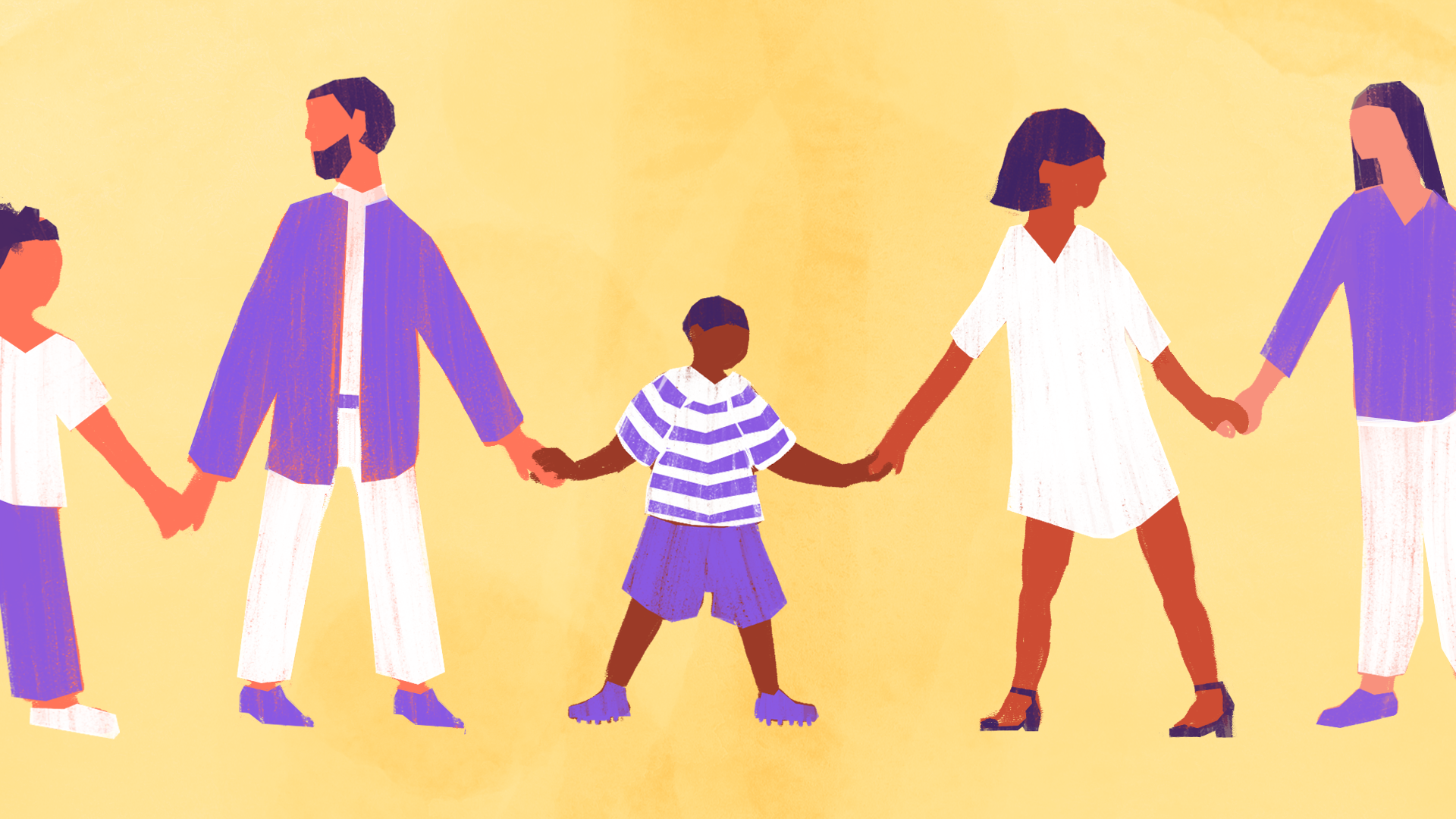
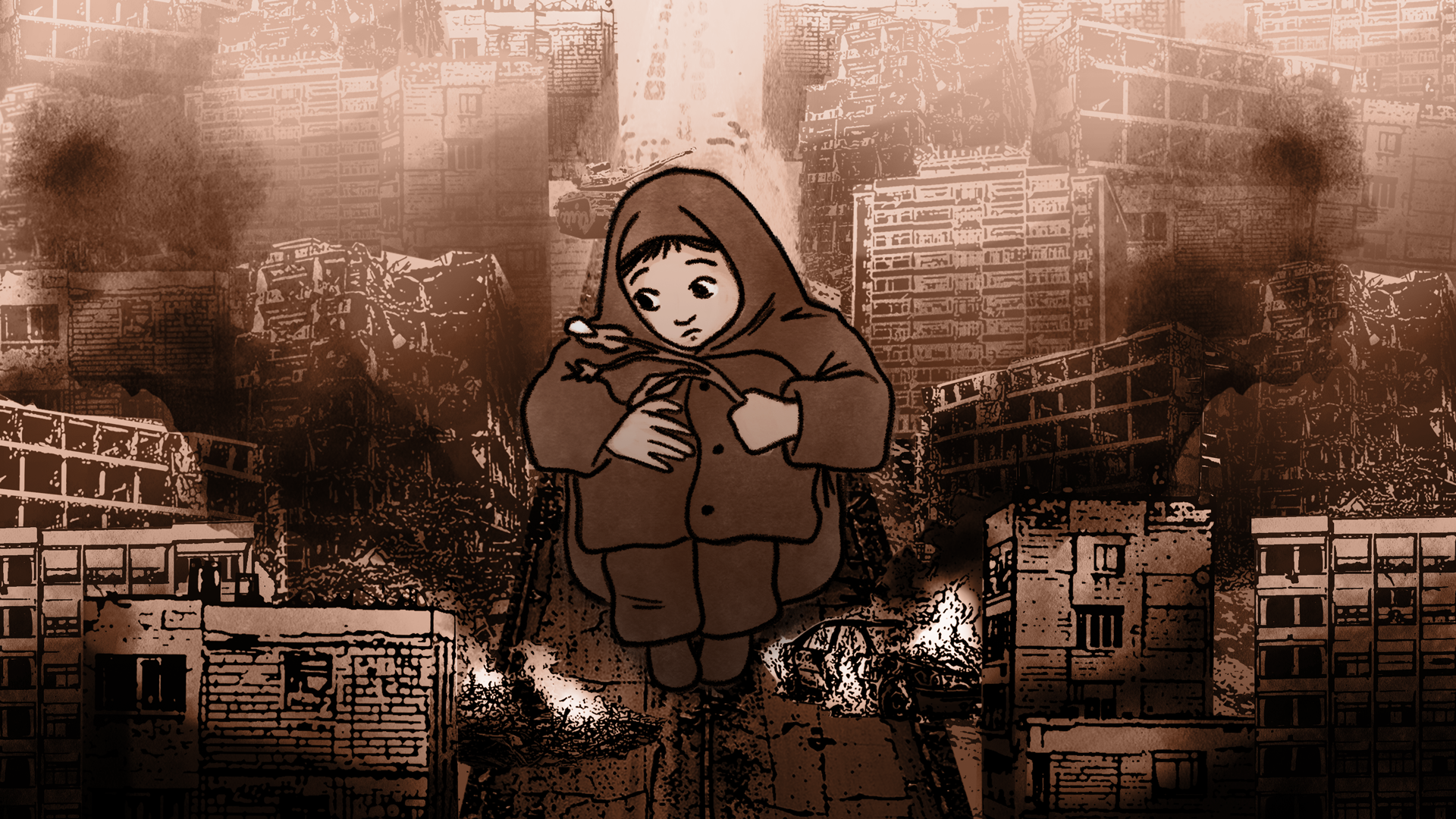
This was an important part of our work on the World Relief animated video, which explored the experience of families affected by forced displacement. The visual approach allowed us to move between uncertainty and hope while keeping the focus on the people and their experiences.

Animation also makes it easier to represent international work. If an organization operates across several countries or continents, you do not necessarily need to organize multiple shoots in different locations. Characters, environments and visual elements can represent different communities and places within the same production.

This can also help create more inclusive representation. Different ages, ethnicities, locations and backgrounds can be designed specifically for the story rather than being limited by who is available to film.

There is another advantage: animation does not have to be literal.

A dollar moving through a community, an invisible system affecting people's lives, a changing climate or the consequences of a policy can all become visual stories. The Journey of a Dollar animation created for Acumen uses one donated dollar as the narrative device, showing how a contribution can support people and communities over time.

For nonprofit communication, this ability to turn an abstract idea into something people can see is often one of animation's biggest strengths.


When is live-action footage better?

Live action can be the better choice when the presence of real people is central to the story.

If you already have access to the communities, beneficiaries, researchers, experts or organizations you want to feature, filming them can bring an immediacy that animation cannot reproduce in exactly the same way.

A real interview can show a person's expression, voice and environment. A real location can establish credibility and context within seconds.

Live action can also be more practical when an organization already has useful footage, photography or documentary material from its work. In that situation, the production does not necessarily need to start from scratch.

The question is not simply whether animation looks better than footage. It is whether the audience needs to see something real.

If the answer is yes, filming may be the most direct way to communicate it.


The strongest option can be animation and footage together

For many nonprofit and foundation projects, the most effective solution sits somewhere between a fully animated film and a traditional live-action production.

Mixed-media video combines interviews, testimonials, archival footage, photography or documentary material with animation and motion graphics.

The human voice can remain at the center of the film, while animation creates the visual world around it.

For example, an interview with a researcher or community member can be accompanied by animated illustrations that explain the issue they are describing. Statistics can become animated graphics. A difficult concept can be represented through visual metaphor. Names, locations and key information can appear as part of the design rather than as standard text overlays.

This approach can make a film feel both authentic and highly crafted.

Animwood has used mixed-media techniques across different types of projects, combining photography, archival material, illustration, typography and animation. Our Herstory animated documentary series, for example, combines photography, newspaper clippings and hand-drawn elements to tell the stories of women whose lives shaped history.

We have also explored archival material through animation in documentary work, where animated sequences can fill the visual gaps that existing footage cannot cover.


Animation can make nonprofit communication easier to understand

For international nonprofits and foundations, the challenge is often not a lack of information. It is having too much of it. Research, reports, statistics, interviews and policy language can be difficult to turn into a short video that someone will actually watch. Animation gives the production team another way to structure that information. Instead of showing a statistic on screen and moving on, the statistic can become part of the story. Instead of describing a complicated process, the process can be visualized.

That is why animation works particularly well for nonprofit explainers, educational content, awareness campaigns and social impact communication.

It can also make one core video adaptable to different formats. A longer film can be developed into shorter social media versions, different aspect ratios or campaign cut-downs. The Acumen project, for example, included six shorter versions designed for social media channels.


So, animation or live action?

The better question is: what does the story need?

If real people, real testimony and real places are central to the message, live action may be the natural choice.

If the story involves abstract ideas, complex systems, sensitive subjects, international locations or events that cannot be filmed, animation may give you more creative freedom.

And if you need both authenticity and visual storytelling, a mixed-media production can bring the two together. For nonprofits, NGOs, foundations, museums and social impact organizations, the production format should serve the message rather than the other way around.


Frequently Asked Questions (FAQ): Animation vs Live Action for Nonprofits

Is animation a good choice for nonprofit videos?

Animation can be particularly effective for nonprofits when the subject involves complex ideas, sensitive experiences, data, research or situations that are difficult to film. Animated videos for nonprofits can also help organizations communicate work across multiple countries and represent different communities in a consistent visual style.

How much does nonprofit video production cost?

The cost of nonprofit video production depends on the creative approach, animation style, length, number of characters and locations, amount of live-action footage, and level of post-production required. A simple motion graphics video will have different production requirements from a fully animated documentary or a mixed-media film combining animation with interviews and archival footage.

Should an NGO choose animation or live action?

It depends on what the story needs. Live action can be a strong choice when real people, interviews and locations are central to the message. Animation can be more suitable for abstract concepts, complex systems, sensitive subjects or stories that cannot be filmed directly. Many NGOs also choose a combination of both.

What is mixed-media video production?

Mixed-media video production combines different visual techniques within one film. For a nonprofit or foundation, this might include interviews, documentary footage, photography, archival material, illustration, animation, motion graphics and typography. The different elements can work together to make a story both personal and easier to understand.

Can animation help explain complex nonprofit topics?

Yes. One of the main advantages of animation is the ability to visualize ideas that are difficult to represent with a camera. Data, systems, processes, policy issues, environmental changes and social impact can be turned into visual narratives, making them easier for audiences to follow.

Can animation be used for sensitive nonprofit stories?

Animation can offer a respectful way to communicate sensitive subjects without asking people to recreate difficult experiences for the camera. Characters, illustration, symbolism and visual metaphors can create emotional distance while still communicating the human reality behind an issue. The approach should always be developed with the subject matter and the people represented in mind.

Can animation and live action be used in the same nonprofit video?

Yes. Combining animation and live action is often useful when a project needs both human authenticity and visual explanation. For example, interviews with beneficiaries or experts can provide the personal perspective, while animated sequences can explain statistics, processes, locations or concepts that are difficult to show through footage alone.

What types of videos can an animation studio create for nonprofits?

An animation studio can create a wide range of nonprofit content, including explainer videos, awareness campaigns, educational films, animated documentaries, social media videos, fundraising campaigns, motion graphics and mixed-media productions. The format can be adapted to the organization's audience, message and distribution channels.

Can one nonprofit video be adapted for social media?

Yes. A longer nonprofit film can often be developed into shorter versions for social media, different aspect ratios and other digital channels. Planning these adaptations at the beginning of production can make it easier to create a consistent campaign across platforms.

How do I choose the right video production approach for my nonprofit?

Start with the story rather than the production format. Consider what the audience needs to understand, whether real people or locations need to be shown, how complex the subject is, what material you already have, and where the final video will be used. From there, animation, live action or a mixed-media approach can be selected based on the communication goal.


 

Nonprofit animated video production:

At Animwood, we help organizations find that balance and develop the visual approach around the story, audience and communication goals. Our work spans 2D animation, character animation, motion graphics, animated documentaries and mixed-media production, with projects created for audiences in different countries and markets.

If you are planning a nonprofit campaign, awareness film, educational video or social impact project, get in touch with our team at 

newbusiness@animwood.com.


SHARE IT

OUR SERVICES

EXPLAINER
VIDEO

ANIMATED FILMS

ANIMATED
COMMERCIALS

ANIMATED
CONTENT