Animated Series for Kids: How to Plan, Develop and Produce a Series

AUTHOR: Rafał CATEGORY: Animated Series

Producing an animated series is very different from producing a single animated video.

A series needs a consistent visual language, recurring characters, reusable assets and a production system that can support multiple episodes. The creative decisions made during development can affect the quality, schedule and cost of the entire production.

At Animwood, we work across the full animation production process, from script development and storyboarding to character design, animation and final delivery. We also develop our own animated projects and series, which means that development is an important part of how we approach animation production.

Our experience includes children's animated series, educational animation and original animated IP. You can see more about our approach to children's series and IP development in our article on building a long-term animated series for children.

1. Start with animated series development

The first episode of an animated series usually requires the most development work.

Before animation begins, the team needs to establish the visual style, characters, environments, storytelling approach and overall tone. Depending on the project, this can include script development, character design, moodboards, research, storyboards and animatics.

This stage is particularly important for children's animation. A series needs to be easy to understand, visually engaging and consistent from episode to episode.

The first episode therefore often includes development work that will benefit the entire series.

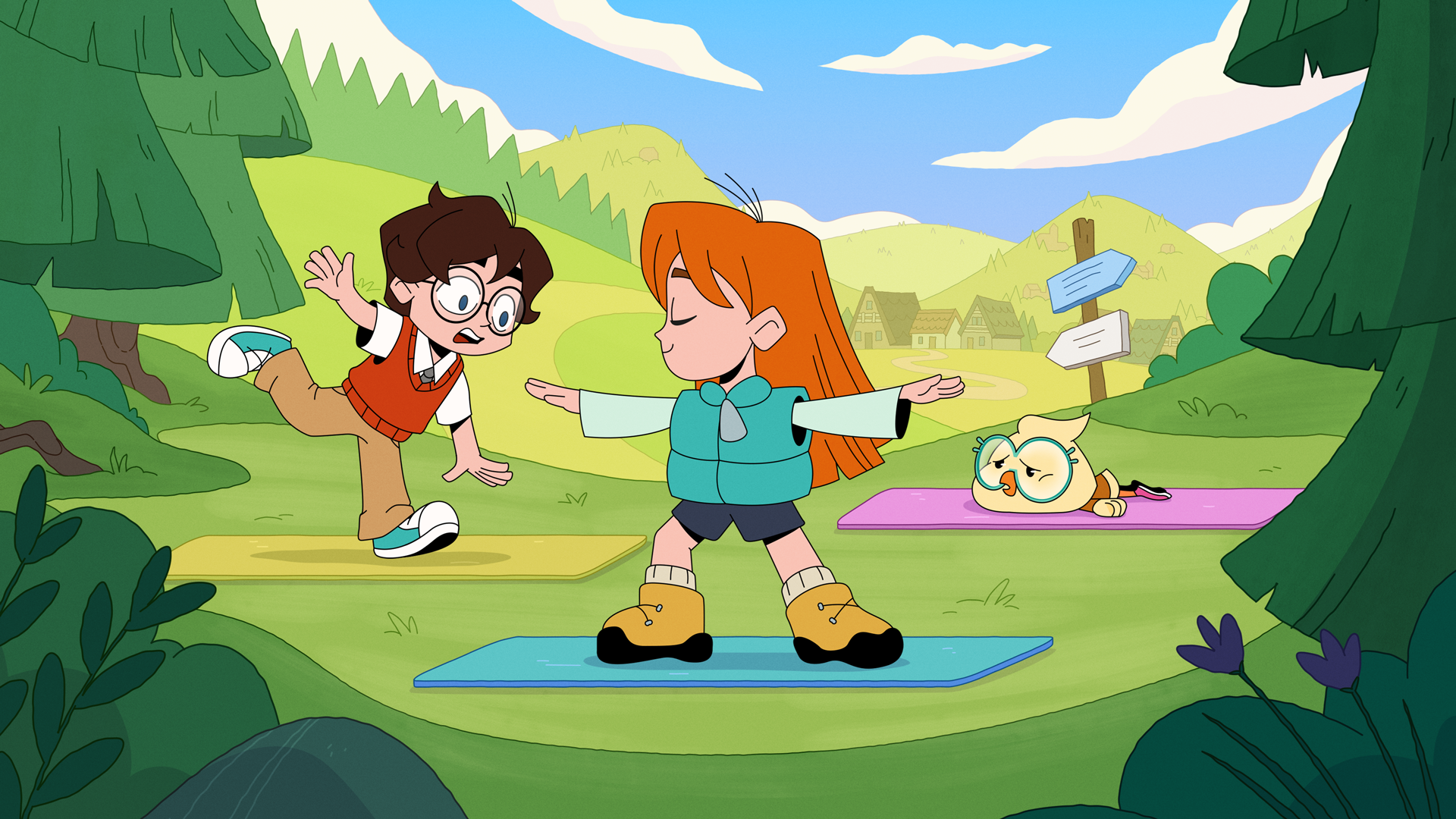
This was an important part of The God's Story – Season 1, where character design, historical research, backgrounds, storytelling and animation techniques were developed as part of the production process. The later seasons built on that creative foundation while increasing the visual and cinematic quality.


2. The first episode establishes the production system

The first episode does more than introduce the story.

It also establishes how the series will be produced.

Characters are designed and prepared for animation. Backgrounds and props are created. The visual style is defined. The animation workflow is tested. The production team learns how much time is required for each stage.

Once these elements exist, they can be reused or adapted for later episodes.

A character designed for episode one may return in episode five. A background may be modified rather than created again. A prop, animation rig or visual effect can be reused across multiple scenes.

This is one of the main reasons why the production cost per episode can become more efficient as a series develops.

3. Why cut-out animation works well for animated series

For a series with many episodes, production efficiency matters.

One common solution is cut-out animation. Characters are built from reusable parts and animated using rigs rather than being completely redrawn for every frame.

This approach is widely used in professional 2D animation production and can work particularly well for recurring characters and longer series.

Cut-out animation does not necessarily mean simple animation. It can be combined with frame-by-frame or cel animation, camera movement, lighting, effects and detailed compositing.

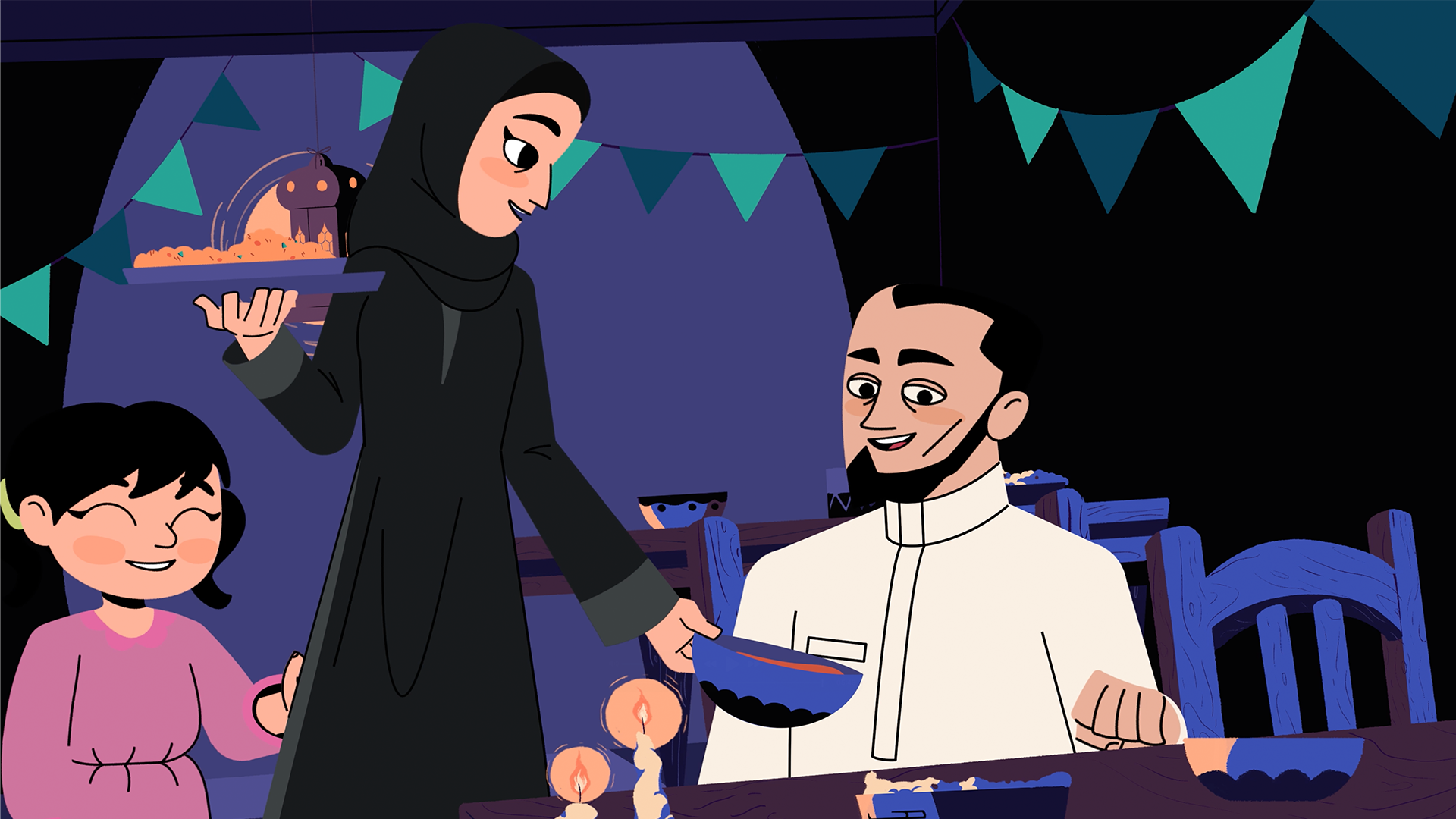
Animwood has used both cut-out and cel animation within the same productions. In The God's Story – Season 2, for example, cel animation was combined with cut-out character animation to create a more cinematic result.

For a deeper comparison of the two techniques, see our guide What is cut-out animation and cel animation?


4. More episodes can reduce the cost per episode

The economics of an animated series are different from those of a standalone animation.

When producing a single video, all development work is concentrated on that project. With a series, the initial investment in characters, environments, rigs and visual development can support many episodes.

The production team can reuse character rigs, backgrounds, props, effects and other assets.

This means that the cost per episode can become more efficient as the number of episodes increases.

The effect becomes particularly useful once a series moves beyond the first several episodes. For larger productions, producing 10 or more episodes can create a more efficient production pipeline than commissioning the same number of videos separately.

The exact savings depend on the animation style, episode length and complexity, so there is no universal percentage reduction. The important factor is that the production is planned as a series from the beginning.


5. How much does an animated series cost?

There is no single price for an animated series.

The animated series production cost depends on episode length, animation style, number of characters, background complexity, amount of movement, voice-over, sound design, music, revision rounds and development requirements.

At Animwood, animation projects can be estimated per minute or as a larger production package covering a defined number of episodes.

For a series, the price of one episode is not always the most useful number to look at. The more important question is how much the entire production system will cost and how efficiently it can produce the complete season.

A one-minute standalone animation and a one-minute episode from a 20-episode series may have very different production economics because the series can reuse assets and workflows.

6. What affects the animated series production timeline?

The production time depends on the visual complexity, episode length, number of episodes and feedback process.

Scripts and development should be sufficiently advanced before full animation production begins. Once the visual system and assets are established, subsequent episodes can move through production more efficiently.

For standard-quality cut-out animation, a short episode can often take around 4–6 weeks once scripts and development are completed. More complex animation, cinematic styles or extensive custom frame-by-frame work can require considerably more time.

Client feedback also affects the schedule. Fast approvals can keep production moving, while multiple revision rounds at each stage can extend delivery.

7. Children's animation needs a world, not just episodes

A successful children's animated series needs more than a collection of stories.

It needs characters children can recognize, a visual world they can understand and a storytelling approach that gives them a reason to return.

This is where animated series development starts to overlap with IP development.

Recurring characters can become valuable creative assets. A consistent visual world can support additional episodes, social media content, educational materials, websites, apps and other formats.

Animwood explores this approach in its article Animated Content for Churches: Building a Series & IP, which looks at how recurring characters, stories and visual worlds can develop into a larger creative property.

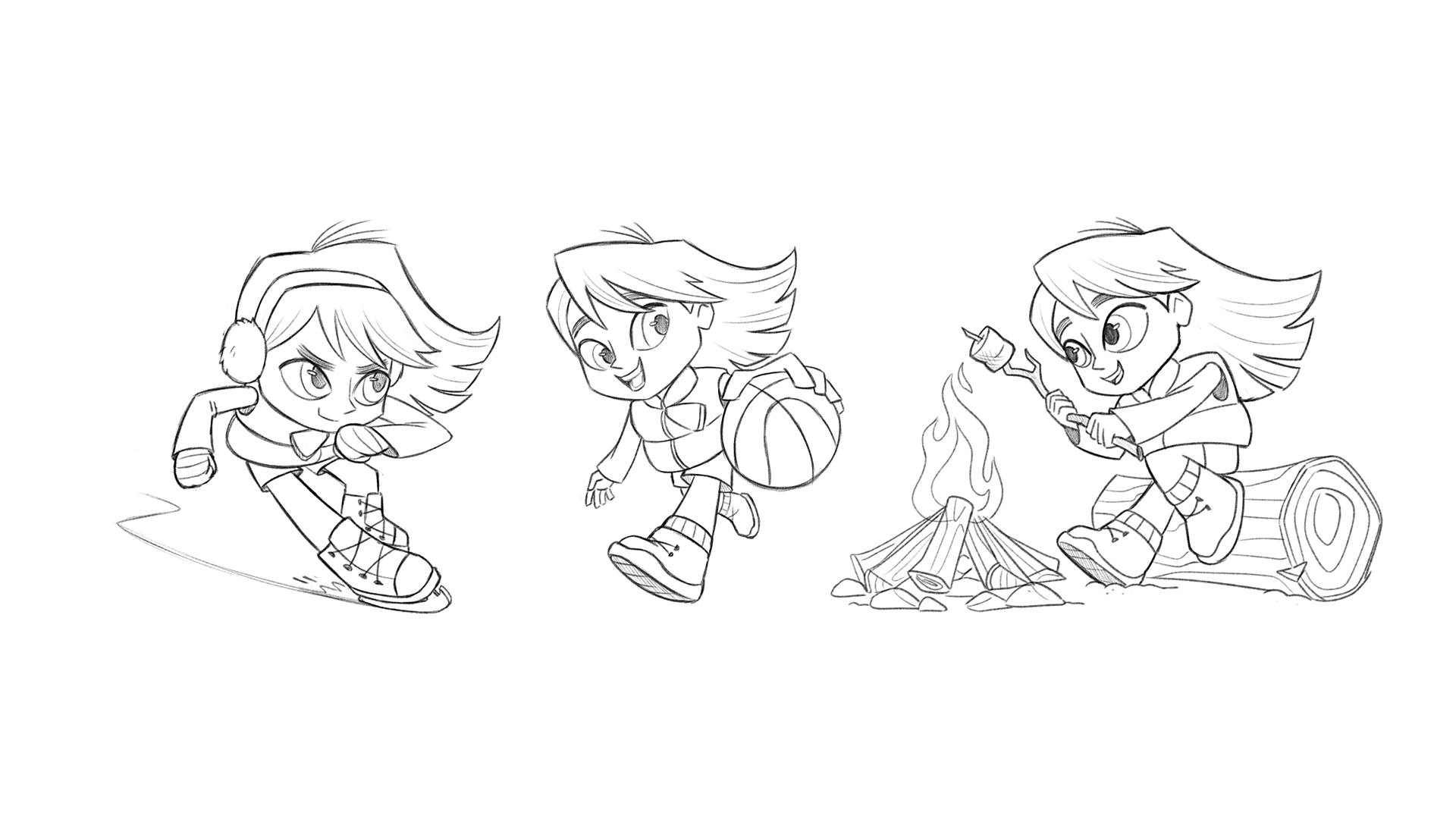
Our own Sportsville project is another example of developing characters and a visual world around a recurring animated concept.

8. Writing comes before animation

Animation can make a good story more engaging. It cannot solve a weak story.

For children's series, script development is therefore a major part of pre-production.

The team needs to think about characters, motivations, episode structure, emotional arcs and how individual episodes connect to the wider series.

An educational message also needs to work within the story rather than simply being placed on top of it.

9. Build reusable characters and assets

One of the biggest advantages of series production is the ability to build an asset library.

Characters, rigs, backgrounds, props, environments and visual effects can be reused and adapted.

This is not only a financial consideration. Reusing assets also helps maintain visual consistency between episodes.

A well-developed character should therefore be designed with future episodes in mind. The same applies to environments and the overall visual language of the series.

When development is done properly, the first episode creates the foundation for everything that follows.


10. From animated series to original IP

An animated series can become more than a collection of episodes.

When the characters, stories and visual world are developed as an original property, the series can become an IP with potential applications across different formats.

The characters can appear in short-form content, educational materials, games, apps or other digital experiences. The stories can also be expanded into new episodes or formats.

This is why series development and IP development are often closely connected.

At Animwood, we develop both client projects and our own animated concepts. Our approach to building a creative world is described in more detail in Animated Content for Churches: Building a Series & IP.

11. From script to final render

A professional animated series production usually moves through several connected stages.

At Animwood, this can start with the initial idea and script development, followed by character and environment design, storyboards and animatics. The project then moves into animation, compositing, sound and final delivery.

Our animation production process covers these stages and can be adapted to different types of animated content.

The development stage is particularly important because it allows creative and production decisions to be made before the full animation workload begins.
 

12. Animated series production at Animwood

Animwood is a European animation studio based in Kraków, Poland, working on 2D and 3D animation, cartoon production, animated films and recurring animated content.

The studio has produced more than 60 episodes across two animated series and works across scriptwriting, creative direction, storyboards, animatics, design, animation, sound and final delivery.

Our children's animation portfolio includes The God's Story, as well as other animated projects for younger audiences.

For a wider view of our work, visit the Animwood animation projects portfolio.


Frequently asked questions (FAQ) about animated series production

How much does it cost to produce an animated series?

The cost depends on episode length, animation style, visual complexity, number of episodes, characters, backgrounds, sound and development work. A series with reusable assets can have a lower cost per episode than producing the same videos individually.

How long does it take to produce an animated series?

A short episode using standard cut-out animation can take around 4–6 weeks once the script and development are completed. More complex productions can take longer.

What is the best animation style for a children's series?

There is no single best style. Cut-out animation can be efficient for recurring characters and longer series, while cel or frame-by-frame animation can provide more expressive movement. Many productions combine different techniques.

Why is the first episode more expensive?

The first episode often includes development work that establishes characters, backgrounds, visual style, rigs and the production workflow. These assets can then be reused in later episodes.

How many episodes should an animated series have?

There is no universal number. The right episode count depends on the audience, story structure, distribution strategy and budget. From a production perspective, a larger episode order can make asset development and workflow optimization more efficient.

Can an animation studio help develop the series idea?

Yes. Series development can include concept development, scriptwriting, character design, worldbuilding, storyboards, animatics and visual development before full production begins.

Can an animated series become an original IP?

Yes. When the characters, stories and visual world are developed as an original property, the series can become the foundation for a broader IP that can extend into additional episodes, digital content, games, apps and other formats.

 

Planning an animated series?

If you are developing an animated series for children, an educational project or a recurring content format, Animwood can help with the development, production and delivery of an animated series, from the first idea and script through to the final render.


Tell us what you are planning:

SHARE IT

OUR SERVICES

EXPLAINER
VIDEO

ANIMATED FILMS

ANIMATED
COMMERCIALS

ANIMATED
CONTENT