What’s the Best 2D Animation Style for an Animated Series?

AUTHOR: Rafał CATEGORY: Animated Series

Cut-out animation and cel animation are two of the most established approaches to 2D animation. Both can produce high-quality, expressive results, yet they support different production needs.

For an animated series, the choice affects much more than the look of individual scenes. It influences production speed, character consistency, asset reuse, animation flexibility, budget and the ability to deliver multiple episodes efficiently.

At Animwood, we often combine different 2D animation techniques within the same production. This allows each scene to use the approach that works best for the project while keeping the overall series efficient to produce.

Cut-Out vs. Cel Animation: 
The Short Answer

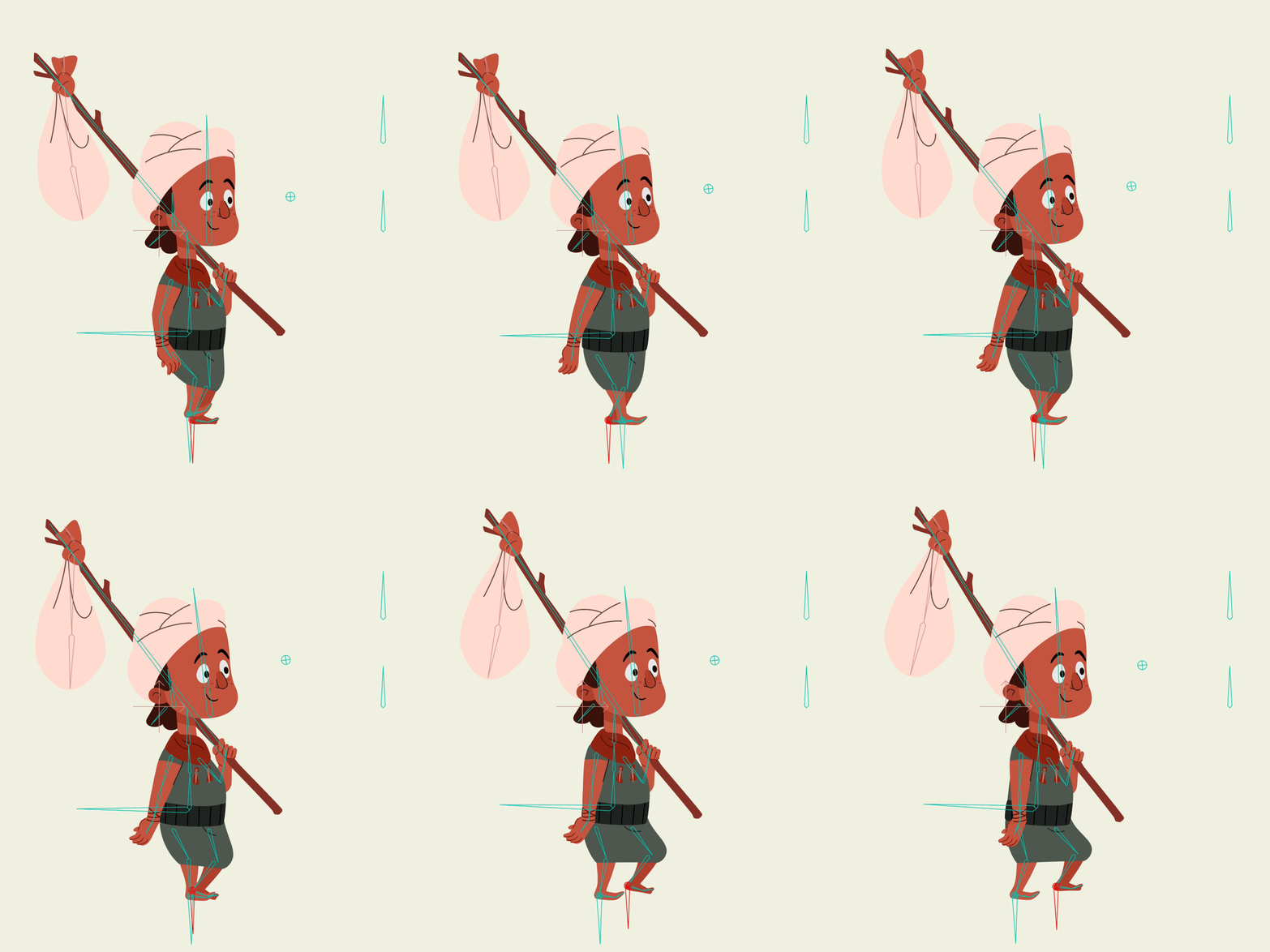
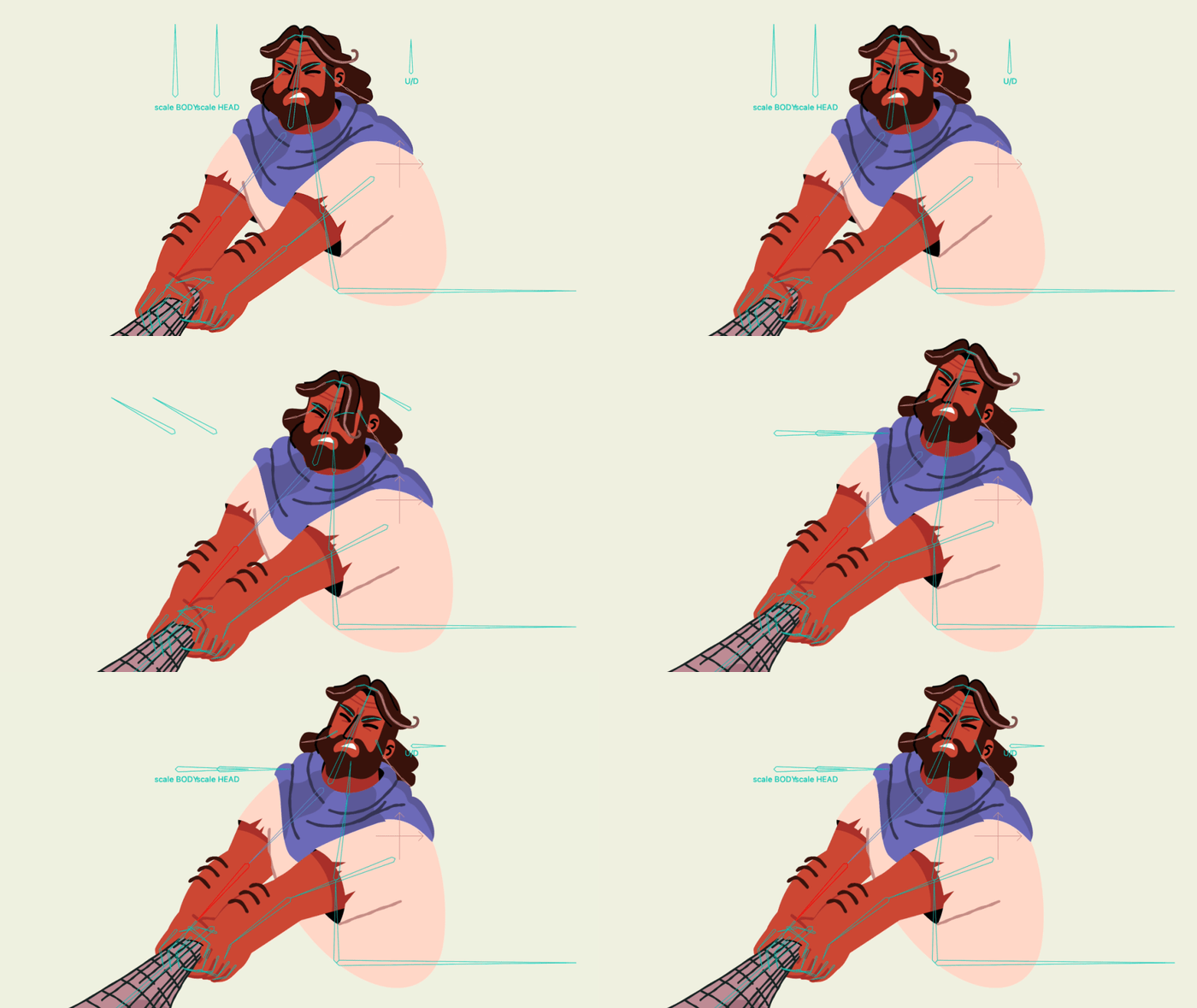
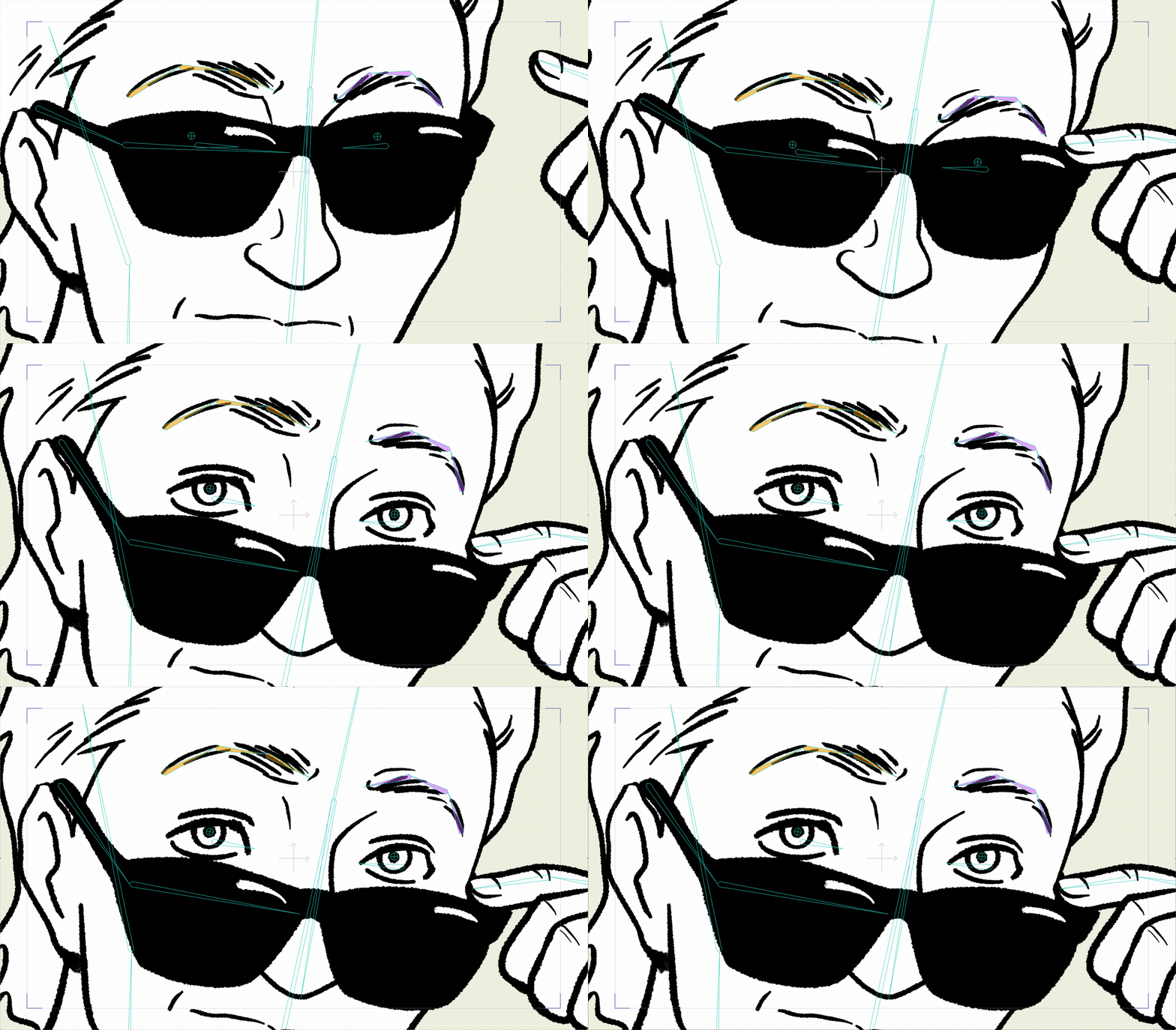
Cut-out animation uses reusable character elements such as heads, arms, legs and facial features. These elements are connected into a digital rig and animated like a puppet.

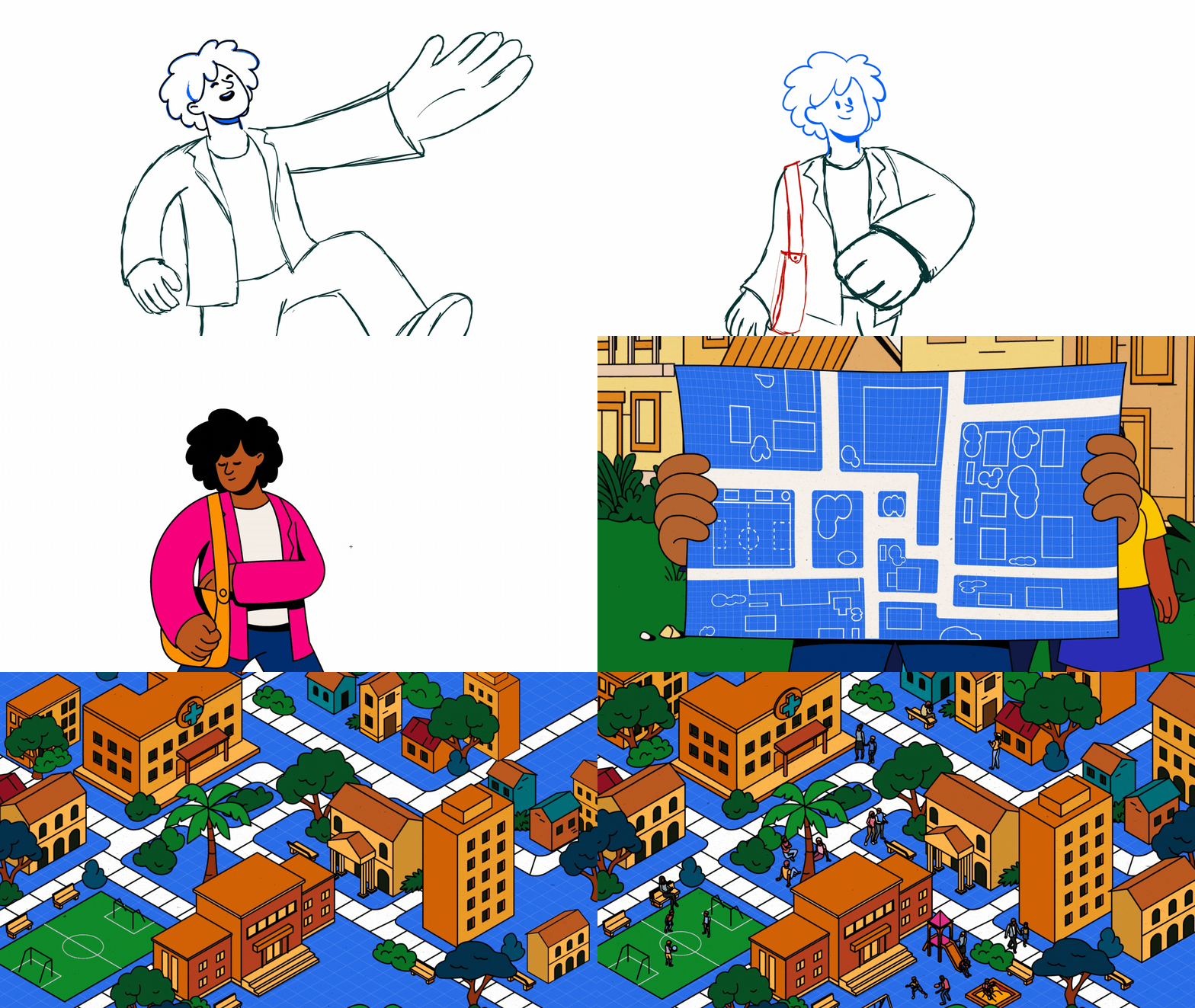
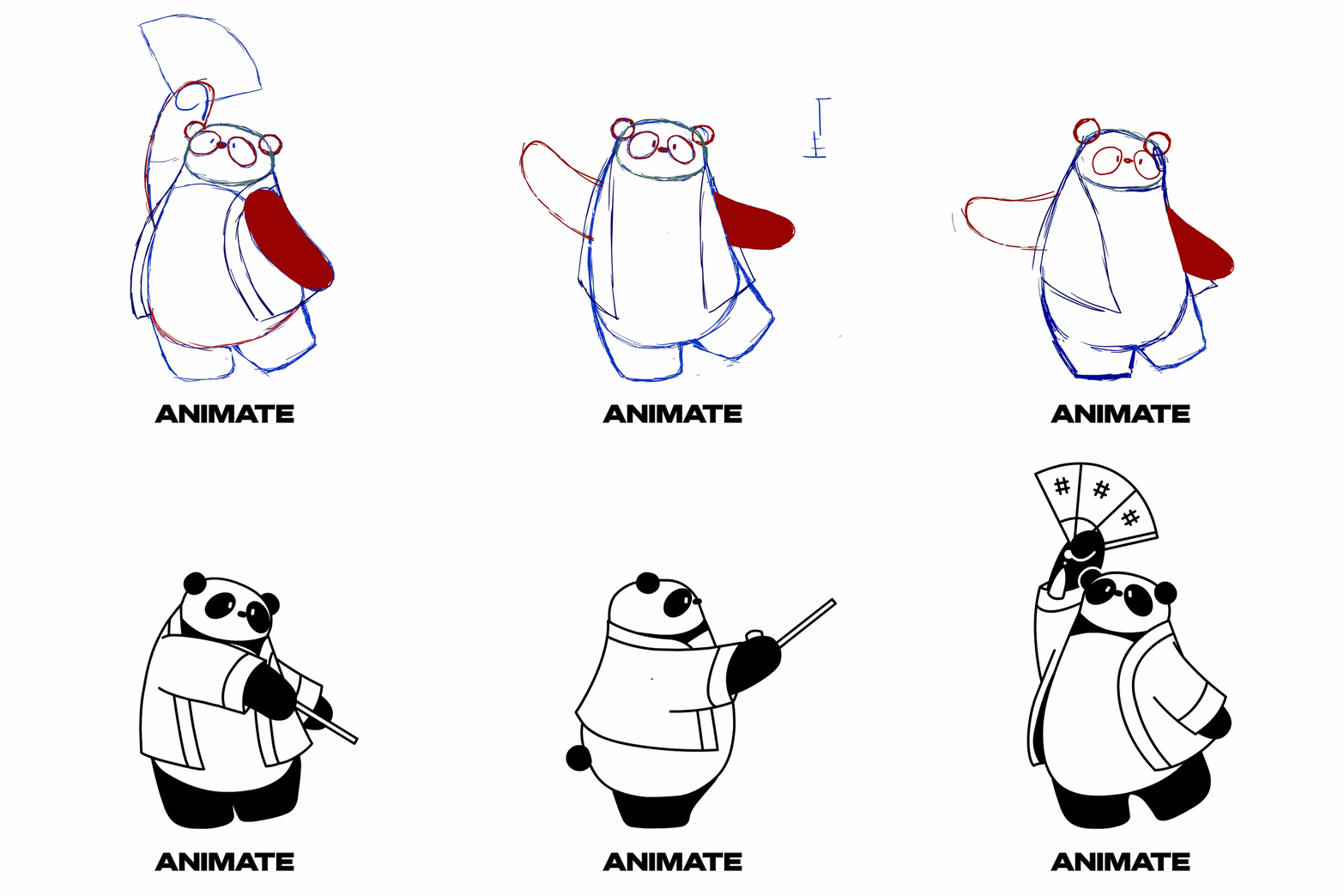
Cel animation, also known as frame-by-frame animation, gives the animator freedom to redraw the artwork as the movement develops. Every frame can introduce changes to a character's pose, expression, shape or proportions.

In simple terms:


Cut-Out Animation

Cel Animation

MethodRigged, reusable elementsFrame-by-frame drawing
ProductionEfficient and scalableMore labor-intensive
MovementControlled and consistentFluid and highly expressive
Character reuseExcellentMore time-consuming
Best suited toSeries and recurring charactersExpressive action and hero shots

For serialized animation, the strongest solution often combines both.

What Is Cut-Out Animation?

Cut-out animation builds characters from separate reusable elements. A character might have individual pieces for the head, torso, arms, hands, legs, eyes, mouth and clothing.

These elements are connected through a digital rig and animated within the scene.

The major production advantage is asset reuse. Once a character has been designed and rigged, the same asset can appear across many scenes and episodes.

That makes cut-out animation particularly effective for:

  • recurring characters
  • children's series
  • branded series
  • long-running animated productions

For a series, this creates a repeatable production system that can support a larger number of episodes.

Why Cut-Out Animation Works Well for Series

A serialised production may use the same characters, locations, props and animation cycles across dozens of episodes.

A well-designed production library can include character rigs, facial expressions, poses, walk cycles, backgrounds and props. Once established, these assets can be adapted and reused throughout the series.

This creates greater consistency and helps production teams maintain a predictable workflow as the number of episodes increases.

For clients planning a season or several seasons, that scalability can have a significant impact on schedule and budget.

What Is Cel Animation?

Cel animation is based on frame-by-frame drawing. The artwork changes from frame to frame to create movement.

The technique comes from traditional animation, where drawings were transferred onto transparent celluloid sheets. Modern digital tools have transformed the workflow while preserving the creative freedom of frame-by-frame animation.

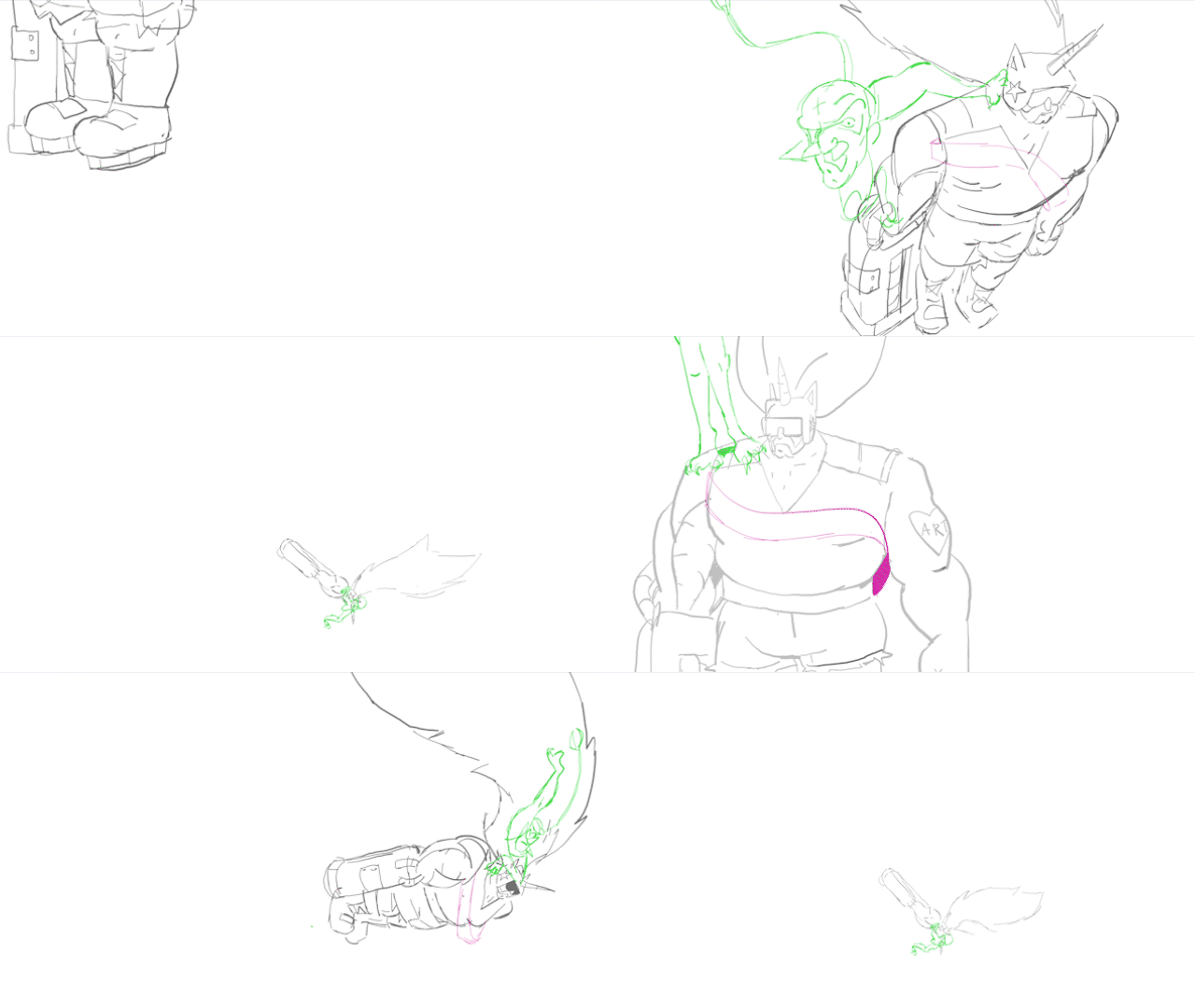
An animator can change virtually any part of a character from one frame to the next. A pose can become more exaggerated, a facial expression can change shape, and movement can flow organically through the entire body.

Cel animation is particularly effective for:

  • expressive acting
  • fluid movement
  • action sequences
  • transformations
  • visual effects
  • cinematic moments

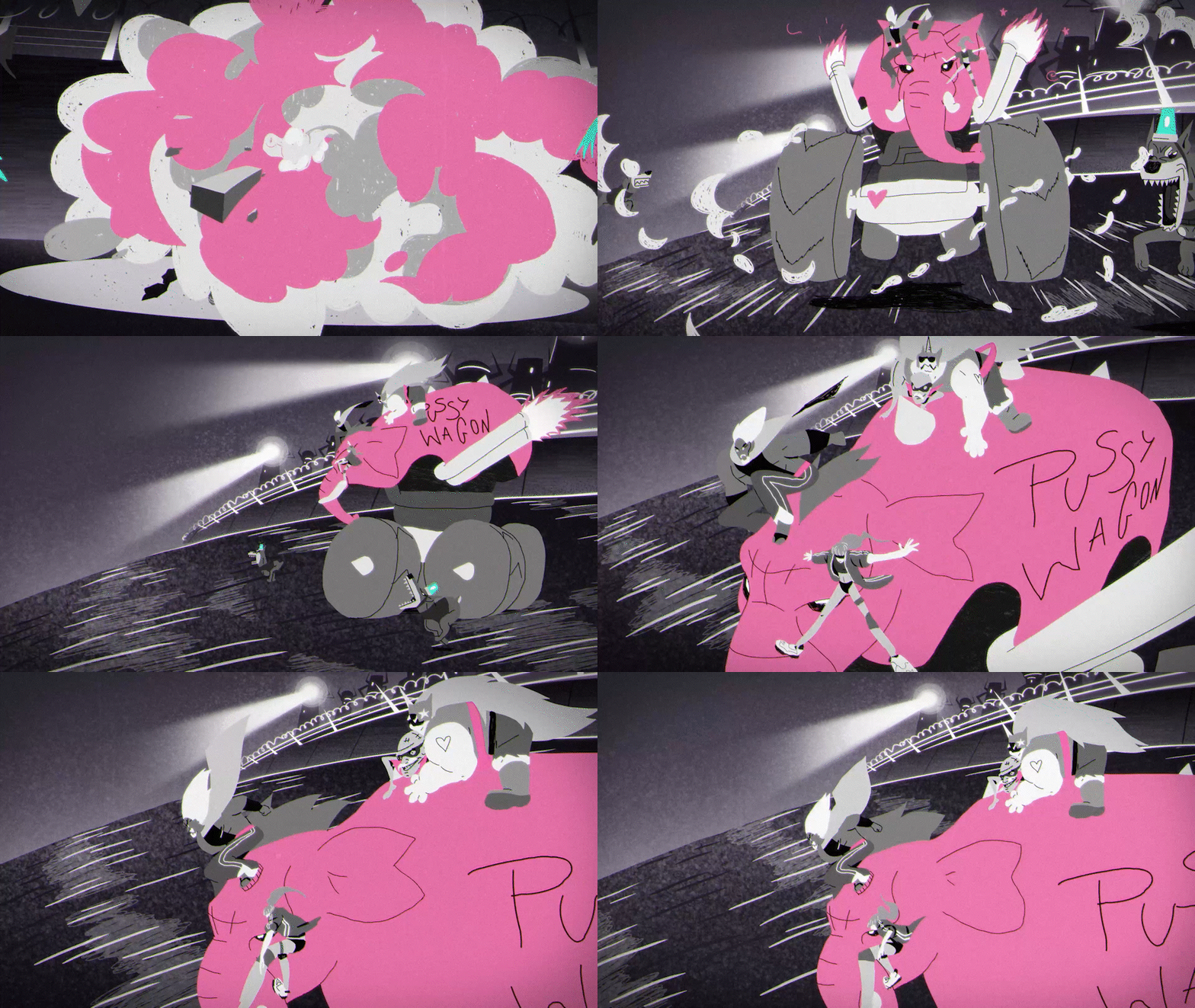
Animwood uses cel animation when a scene benefits from this additional freedom. In The God's Story, for example, Animwood combined cel and cut-out character animation with dynamic lighting and shadows to create a more cinematic result.

Cel Animation vs. Cut-Out Animation: The Real Difference

The key difference lies in how much of the artwork needs to be recreated as the animation progresses.

With cut-out animation, the animator primarily works with existing character elements. Those elements can be moved, rotated, scaled and deformed.

With cel animation, the animator can redraw the character whenever the movement requires it.

Imagine a character jumping. A cut-out rig can move the arms, bend the legs, rotate the torso and change the facial expression. Frame-by-frame animation gives the animator additional freedom to redraw the character's entire silhouette, exaggerate the pose or distort the body to create a stronger sense of motion.

That flexibility becomes especially valuable in action, comedy and emotionally intense performances.

Which Animation Style Is Best for an Animated Series?

The right choice depends on the requirements of the series.

Choose Cut-Out Animation When You Need

Recurring characters, efficient production and scalability.

Cut-out is particularly effective when the same characters appear throughout a season and need to maintain consistent designs and performances.

It also works well when the production requires a large volume of episodes or when a client plans to expand the series over time.

Choose Cel Animation When You Need

Expressive movement, fluidity and detailed performance.

Frame-by-frame animation gives animators much greater freedom to change poses, shapes and expressions. It is especially valuable for action, emotional scenes and visually complex sequences.

Use a Hybrid Pipeline When You Need Both

This is often the most effective approach for professional animated series.

Cut-out animation can handle the majority of recurring character performances, while cel animation can be reserved for scenes that benefit from additional expressive freedom.

For example, a series might use rigged animation for dialogue and everyday character acting, then introduce frame-by-frame animation for:

  • action scenes
  • transformations
  • emotional close-ups
  • visual effects
  • special sequences

Compositing, lighting, camera movement and effects can then bring the different techniques together into one visual language.

The result is a production pipeline that puts more animation effort into the scenes where it creates the greatest value on screen.

A Real-World Example: The God's Story

Animwood's work on The God's Story demonstrates the value of combining techniques.

For the series, Animwood used cut-out character animation together with cel animation. The production approach allowed the team to maintain an efficient workflow while introducing frame-by-frame animation where greater cinematic expression was needed.

The project illustrates how different animation techniques can work together within a single series while maintaining a consistent visual identity.

How Much Does Cut-Out vs. Cel Animation Cost?

Animation cost depends on the complete production rather than the technique alone.

Key factors include episode length, character complexity, number of characters and locations, animation density, dialogue, visual effects, compositing, sound and the number of episodes.

Cut-out animation can become increasingly efficient as a series grows because character rigs, environments and other assets can be reused.

Cel animation generally requires more animation time because more frames need to be created and refined individually.

For a series, the useful question is the overall production strategy: how should the animation budget be distributed across the season to achieve the desired quality and schedule?

Does Cut-Out Animation Look Less Professional?

The quality of an animated production comes from the combination of design, animation, acting, timing, art direction, compositing, sound and storytelling.

A sophisticated cut-out rig can deliver nuanced character performances and highly polished visuals. Cel animation can add another level of fluidity and expressive detail where the project requires it.

The production technique should support the visual language and requirements of the series.

Cut-Out vs. Cel Animation for Children's Series

Children's animation often combines recurring characters with expressive storytelling.

The same characters may appear in every episode while the story requires physical comedy, emotional performances, fast action and imaginative sequences.

A hybrid pipeline can address both needs. Reusable rigs provide consistency and production efficiency, while frame-by-frame animation can enhance moments that require additional expression.

For a children's series, this combination can provide an effective balance between visual quality and production scalability.

Cut-Out or Cel Animation: Which Should You Choose?

For a single short film, the decision can focus primarily on the desired visual experience.

For a series, the production system becomes equally important.

Cut-out animation offers efficiency, reuse and scalability.

Cel animation offers expressive freedom, fluidity and detailed movement.

A hybrid pipeline combines the strengths of both.

For many serialized productions, that combination provides a strong balance between creative quality, production efficiency and long-term scalability.

At Animwood, we help clients determine the right animation approach for the entire production, from character design and storyboarding through animation, compositing and final delivery.

Planning an animated series? Let's discuss the visual style and production approach for your project.

FAQ: Cut-Out and Cel Animation

Is cut-out animation cheaper than cel animation?

It can be more efficient, especially for productions with recurring characters and reusable assets. The final cost depends on complexity, episode count, animation requirements and production schedule.

Is cel animation the same as frame-by-frame animation?

The terms are closely related. Cel animation refers to the traditional technique and its visual heritage, while frame-by-frame animation describes the process of creating individual animated drawings. Modern digital production can recreate the cel animation aesthetic without physical cels.

Is cut-out animation good for animated series?

Yes. Its reusable character rigs and assets make it particularly suitable for episodic and serialized productions.

Can cut-out and cel animation be used together?

Yes. A hybrid pipeline can use cut-out animation for recurring performances and frame-by-frame animation for scenes that require greater expressive freedom.

Which is better for children's animation?

The best choice depends on the show's characters, visual style, action, schedule and number of episodes. A combination of cut-out and cel animation can provide an effective balance.

What animation technique is best for a long-running series?

A reusable rigged animation system can provide a strong production foundation, while cel animation can be introduced for scenes that require additional fluidity or expression.

Does cut-out animation look less professional?

Professional quality comes from design, animation, art direction, timing, compositing and storytelling. Cut-out animation can produce highly polished and sophisticated results when the characters and rigs are designed and animated well.

Let’s talk about your project:

newbusiness@animwood.com

SHARE IT

OUR SERVICES

EXPLAINER
VIDEO

ANIMATED FILMS

ANIMATED
COMMERCIALS

ANIMATED
CONTENT