Historical Animation: Bringing History to Life Through Animation

AUTHOR: Rafał CATEGORY: Documentary animation

History videos often come with a visual problem. There may be photographs, newspaper clippings, documents and interviews, but no footage of the events themselves. Sometimes the available archive shows only part of the story. Other times, the most important moments happened long before cameras were there.

Historical animation can fill that gap.

By combining illustration, character animation, archival material, typography, collage and live-action footage, animation can recreate events that cannot be filmed again. It can visualise memories, explain historical processes and give audiences a way to see the past without pretending that recreated scenes are original footage.

At Animwood Studio, we create animated documentaries and historical storytelling for broadcasters, streaming platforms, brands and other organisations. Our work includes projects for Amazon Prime Video and ABC News, as well as documentary content built around real people and historical events.

If you are interested in the wider role animation can play in documentary filmmaking, we also cover this in our guide to animation for documentaries, including archival animation and historical reconstructions.
What is historical animation?

Historical animation is the use of animation to tell, reconstruct or explain real events from the past.

It can be a fully animated historical film, but it can also be part of a live-action documentary. In many cases, the strongest result comes from combining animation with interviews, archive footage, photographs and other documentary material.

The visual style depends on the story. A historical documentary may use hand-drawn 2D animation to recreate a memory, collage animation to bring archival photographs to life, or motion graphics to explain a timeline. More complex productions can combine several techniques within the same film.

The important part is that the animation supports the historical narrative rather than simply decorating it.

Recreating events that were never filmed

One of the most useful applications of animation in historical documentaries is reconstruction.

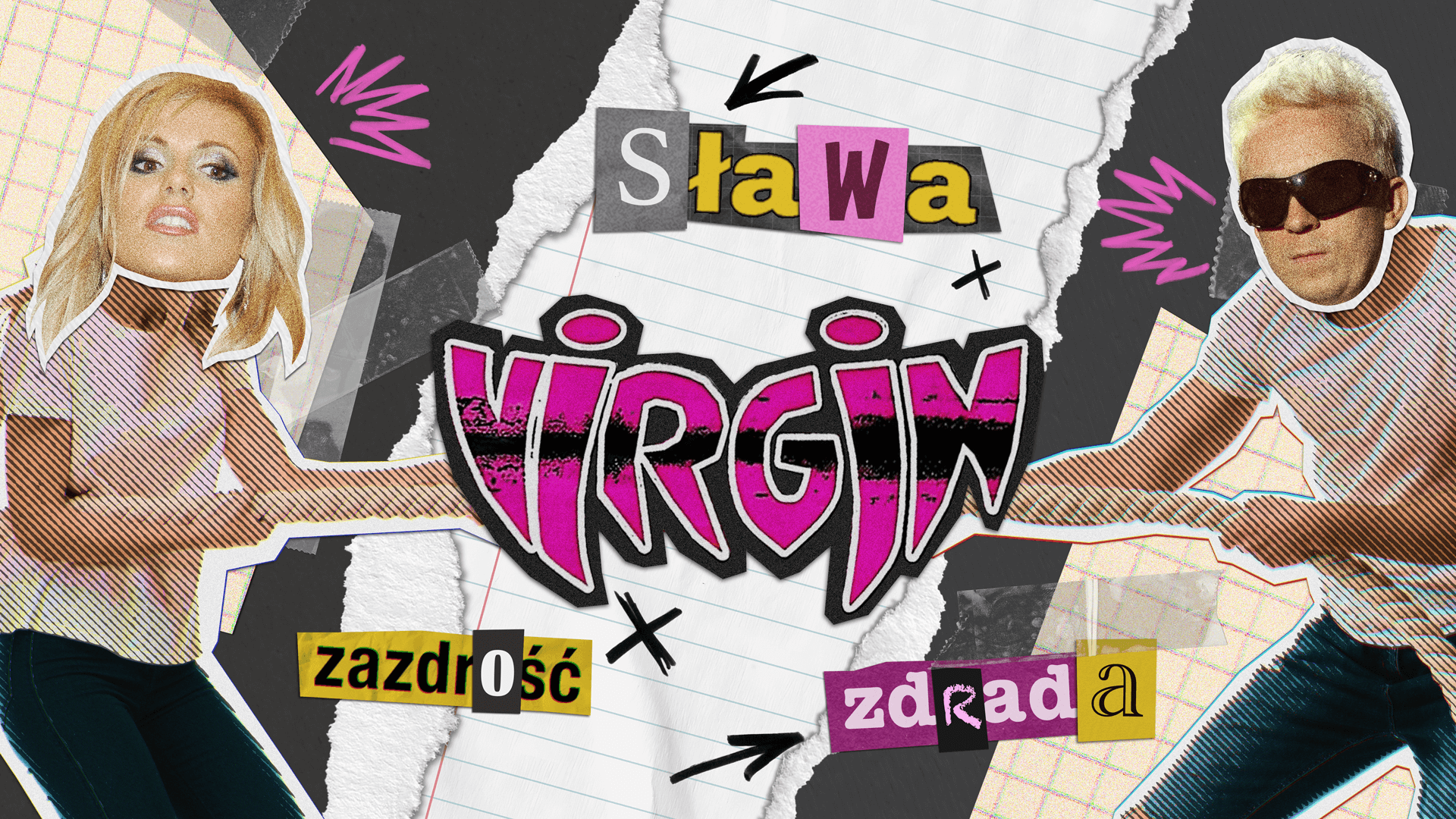
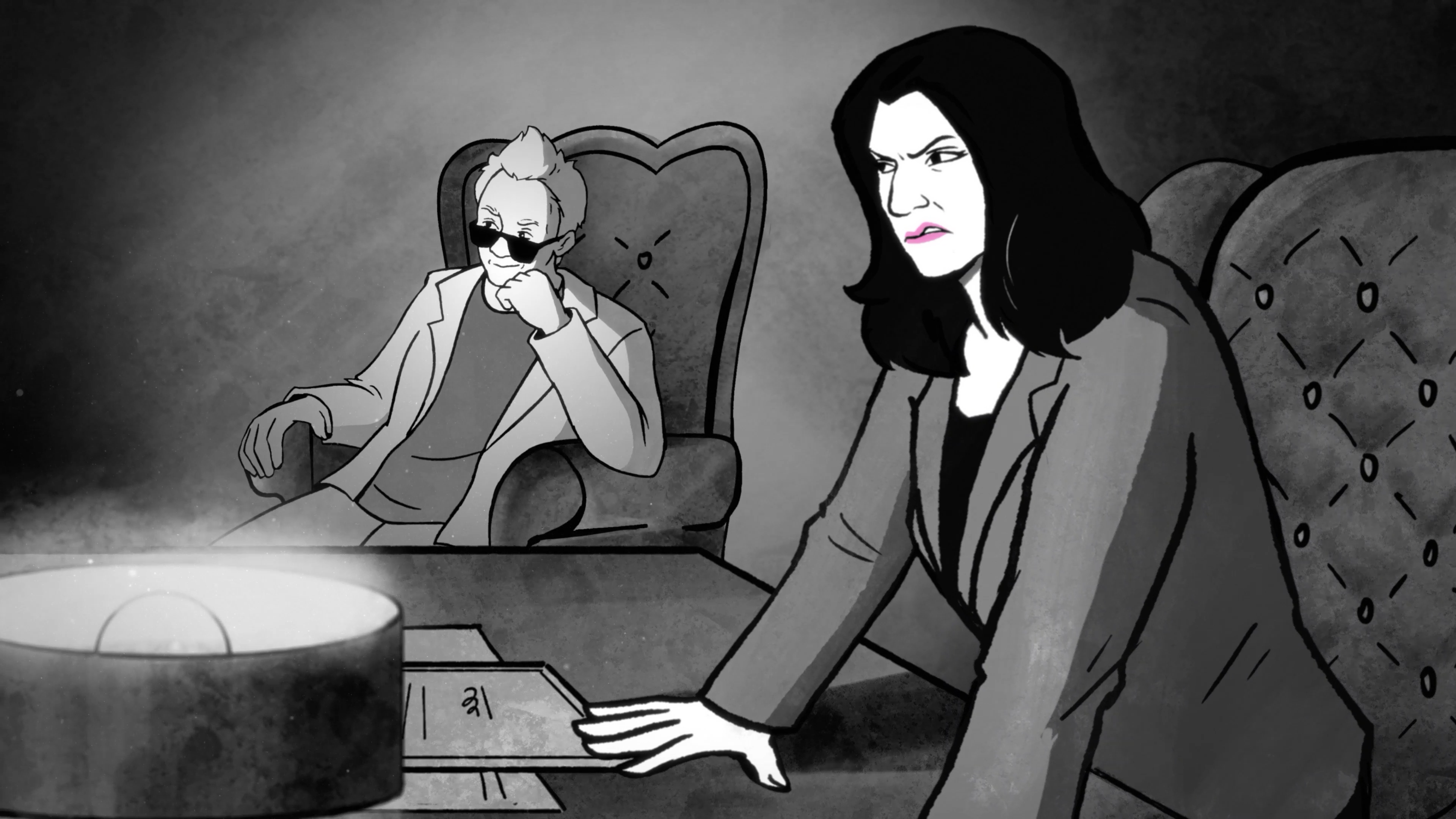
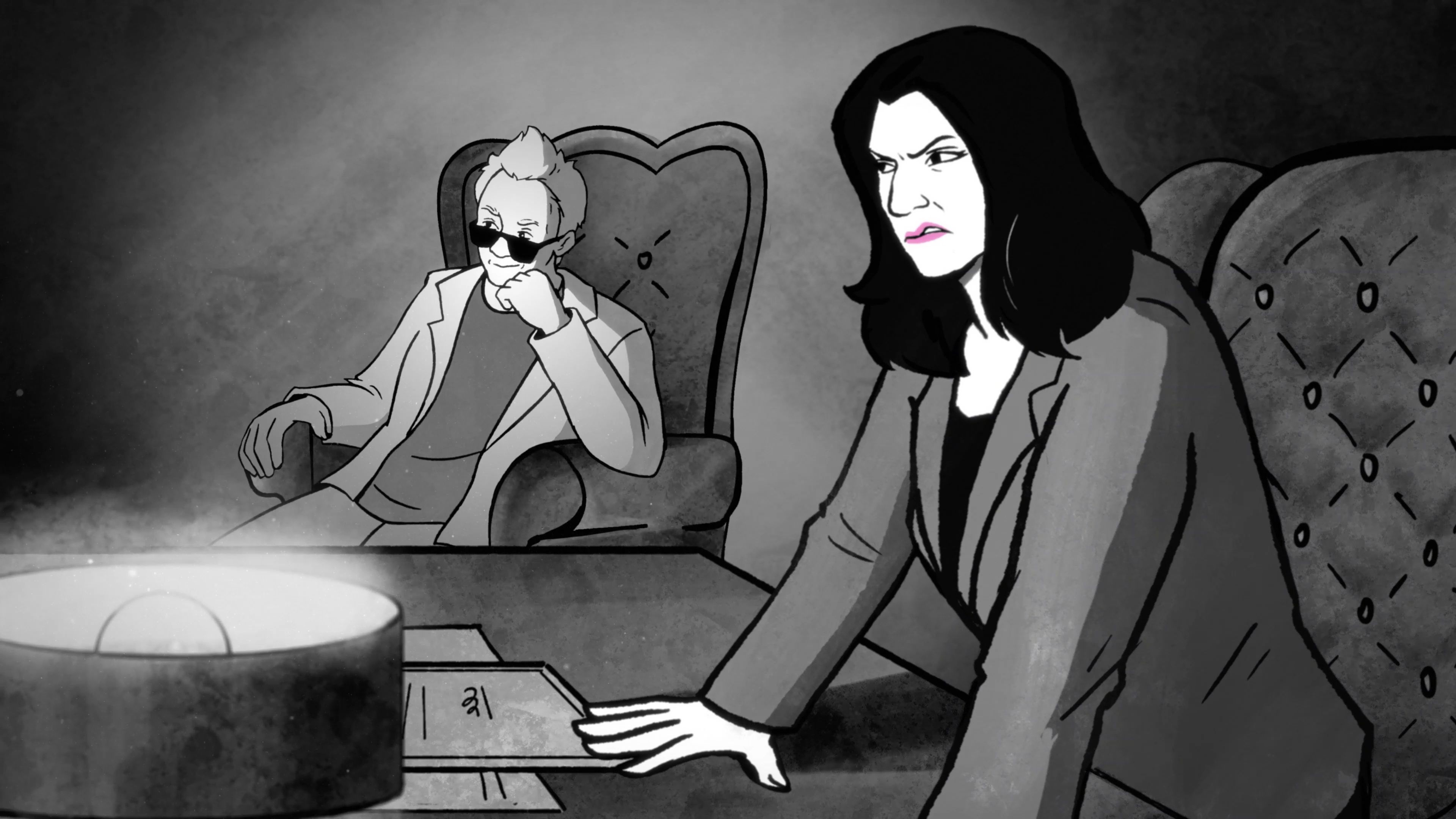
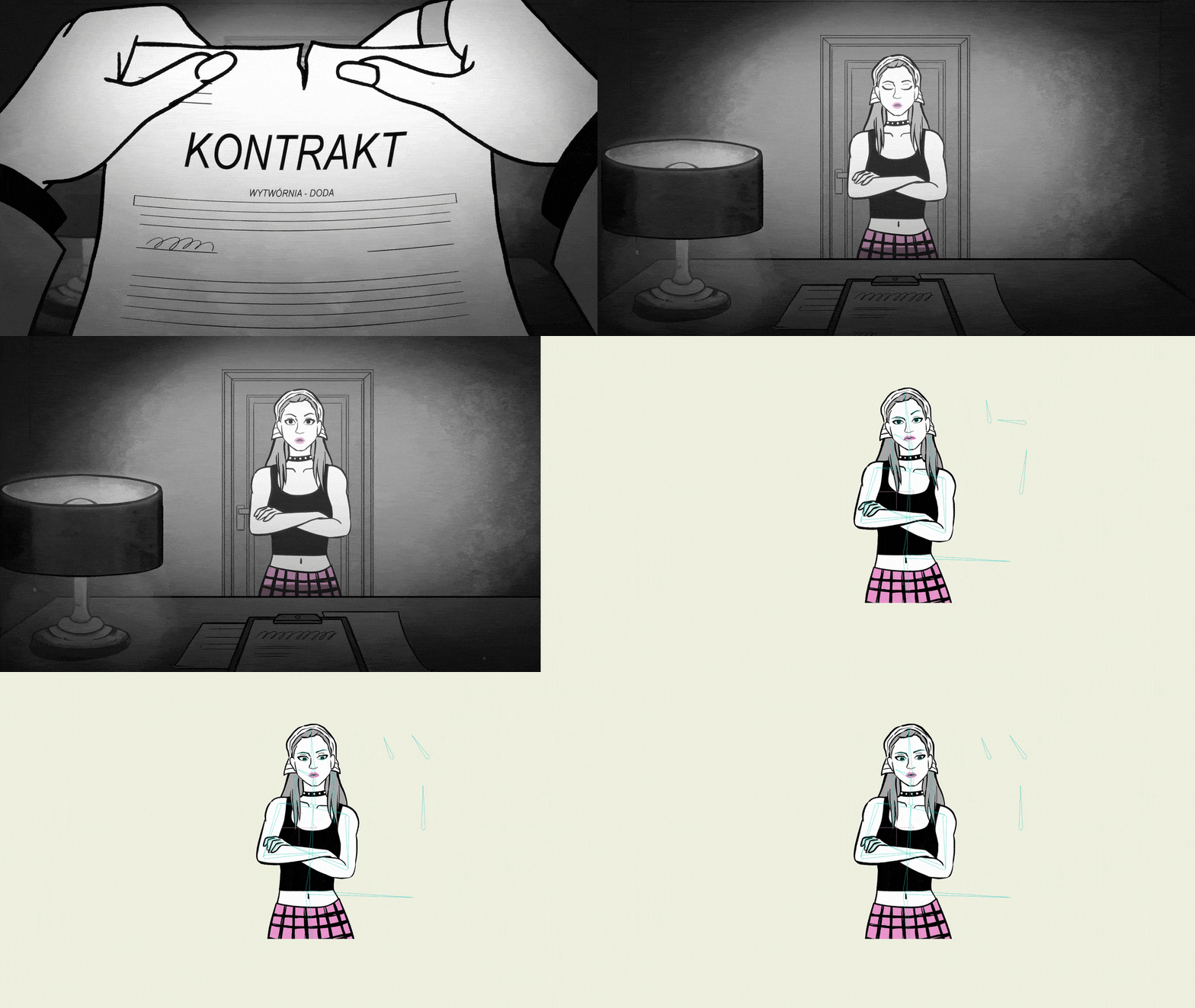
Our work on the DODA documentary series for Amazon Prime Video is a good example. The production included animated sequences that recreated private events for which there was no suitable photographic or video material.

Instead of rebuilding the scenes with actors, sets and costumes, the production used 2D animation to interpret events from the protagonist's perspective. The animation combined surreal collage, archival material and hand-drawn character animation to recreate memories and important moments in the story.

See the DODA animated documentary project.

The DODA project also shows why animation can be particularly useful inside a live-action documentary. Rather than replacing the documentary footage, the animated sequences were designed to move naturally between archive, interviews and reconstructed events.

We explore this approach in more detail in our article about animated sequences, archival material and reconstructions for documentaries.

Animated documentaries about real people

Historical animation is closely connected to documentary filmmaking.

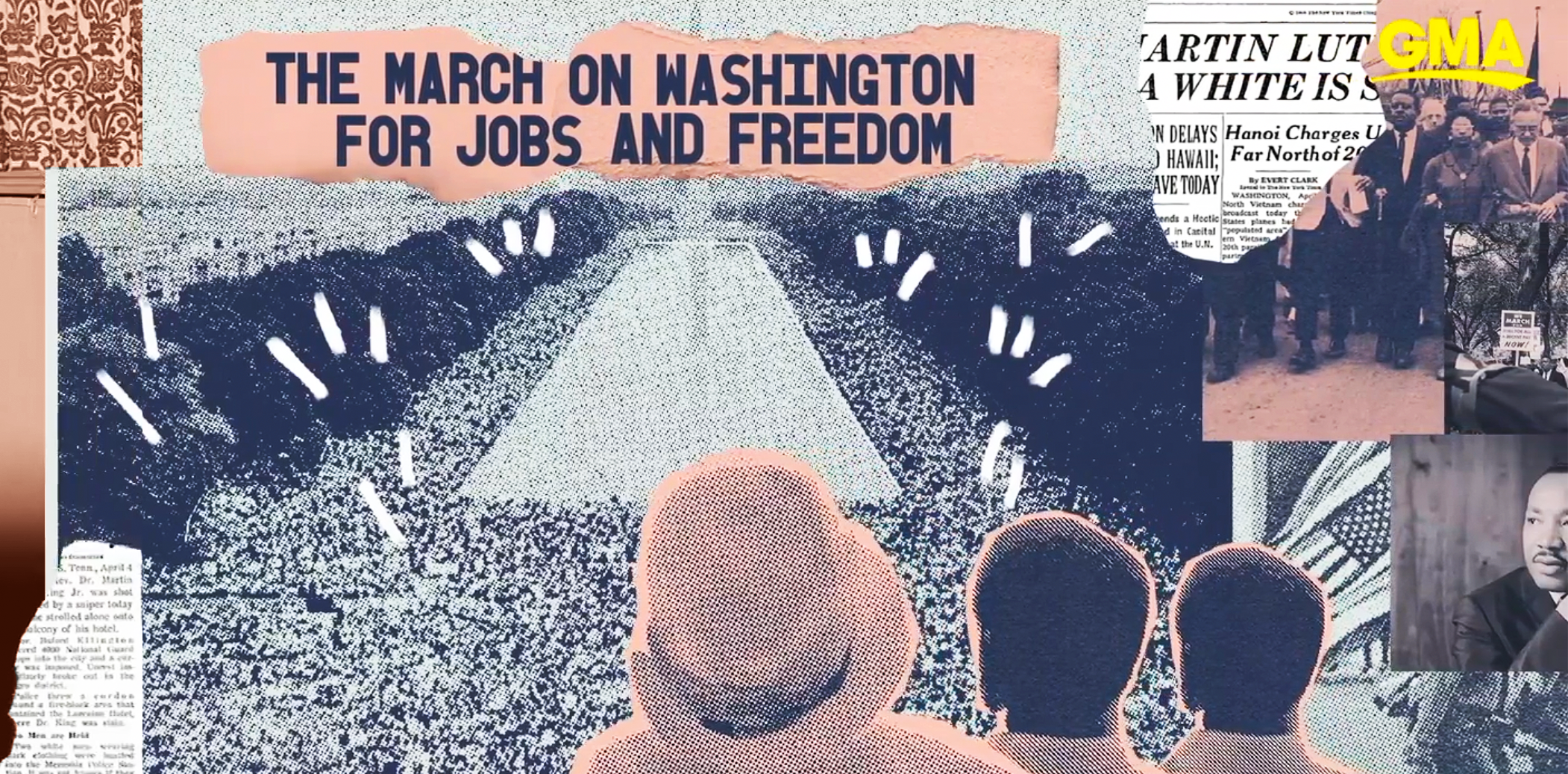
The HerStory series created for ABC News is one of Animwood's examples. The series tells the stories of women who made an impact on history, including Dolores Huerta, Judith Heumann, Dorothy Butler Gilliam, Dorothy Irene Height, Anuradha Bhagwati and Heather "Lucky" Penney.

Each episode uses character animation, symbolism, typography and mixed media to tell the story of a real person.

Explore the full HerStory animated documentary series.

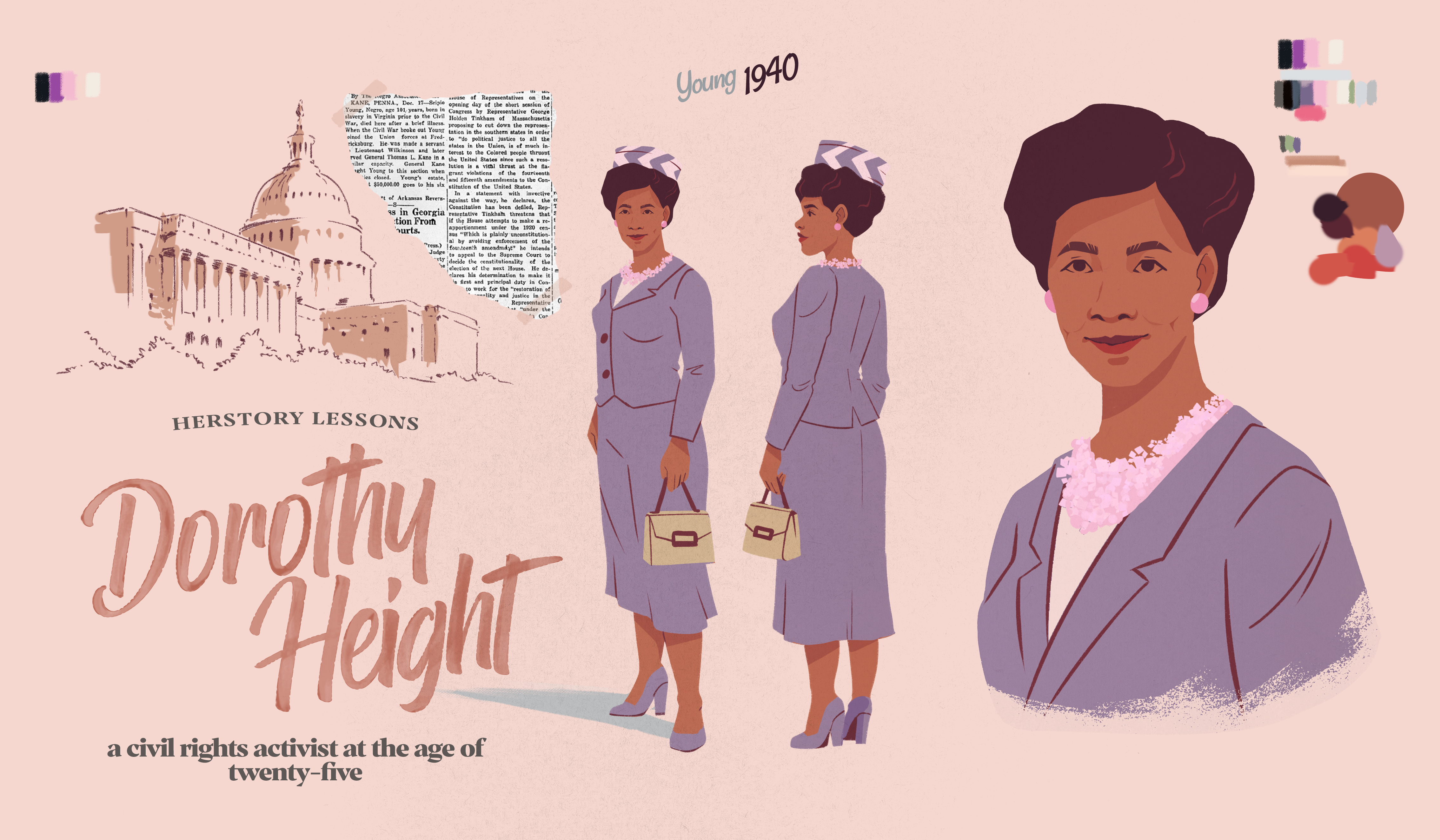
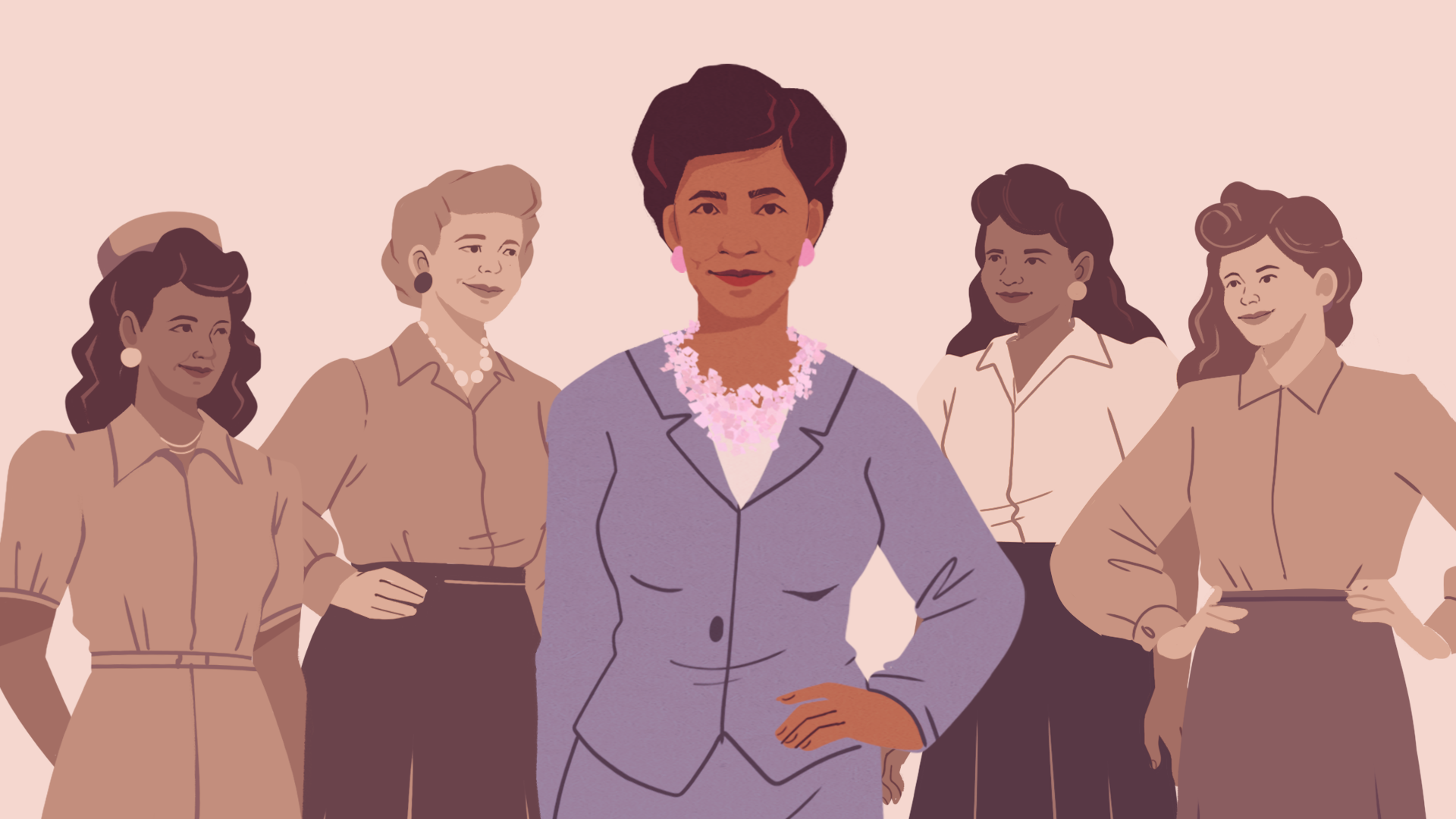
The Dorothy Irene Height episode is particularly interesting from a visual perspective. Animwood combined photography, newspaper clippings and hand-drawn elements with textured compositions and expressive typography.

See the HerStory: Dorothy Irene Height project.

The character design was also central to the production. Because the stories focus on real historical figures, the characters needed to be recognisable while still working within a distinctive animated visual language.

This combination of research, character design and storytelling is one of the key differences between historical animation and purely fictional animation.

Bringing archival material to life

Archives can be visually powerful, but simply placing old photographs and newspaper articles on screen can make a documentary feel static.

Animation gives archival material another layer.

Photographs can move. Newspaper headlines can become part of a composition. Illustrations can transition into recreated scenes. Textures, typography and graphic elements can connect different periods of the story.

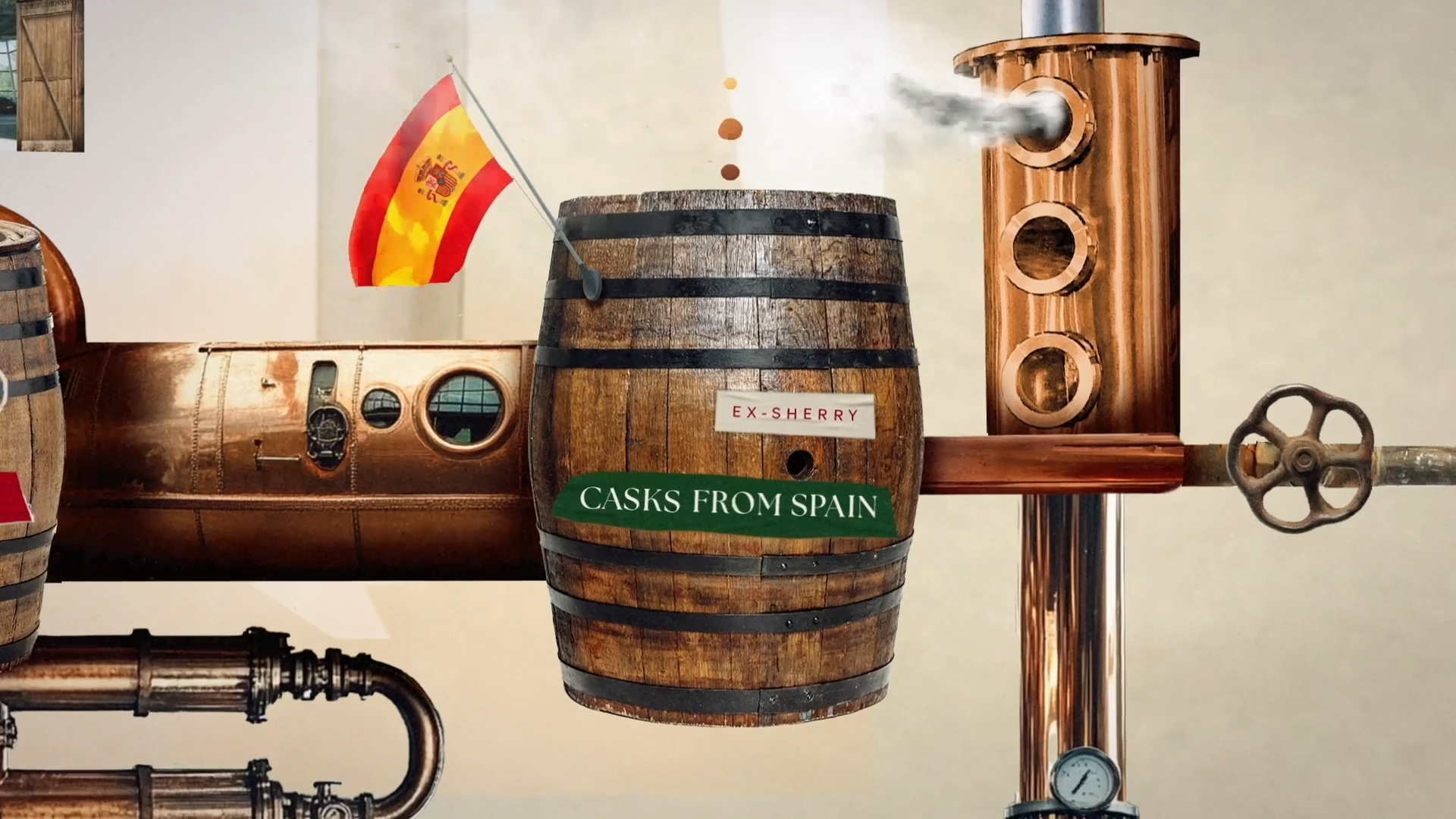
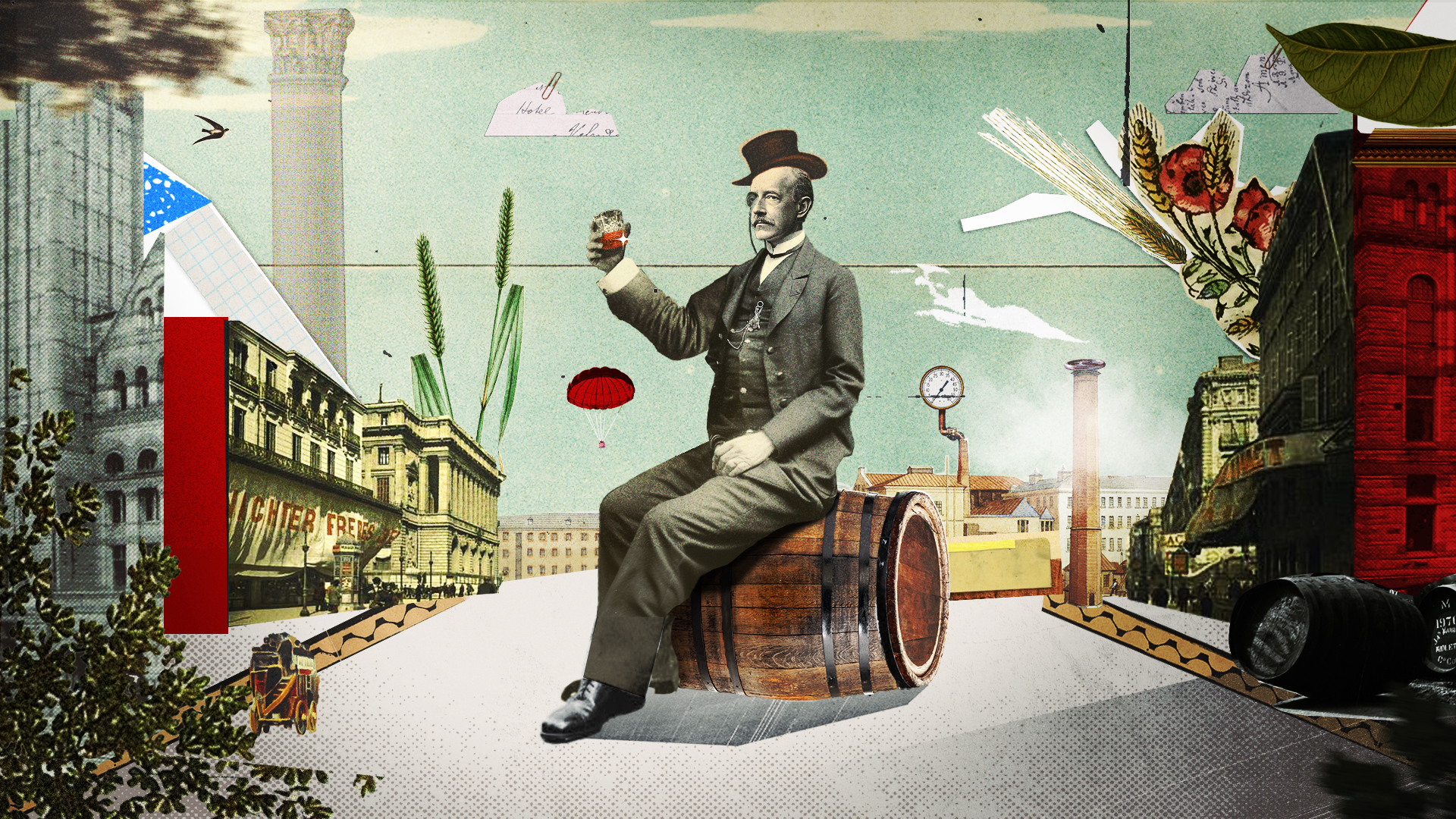
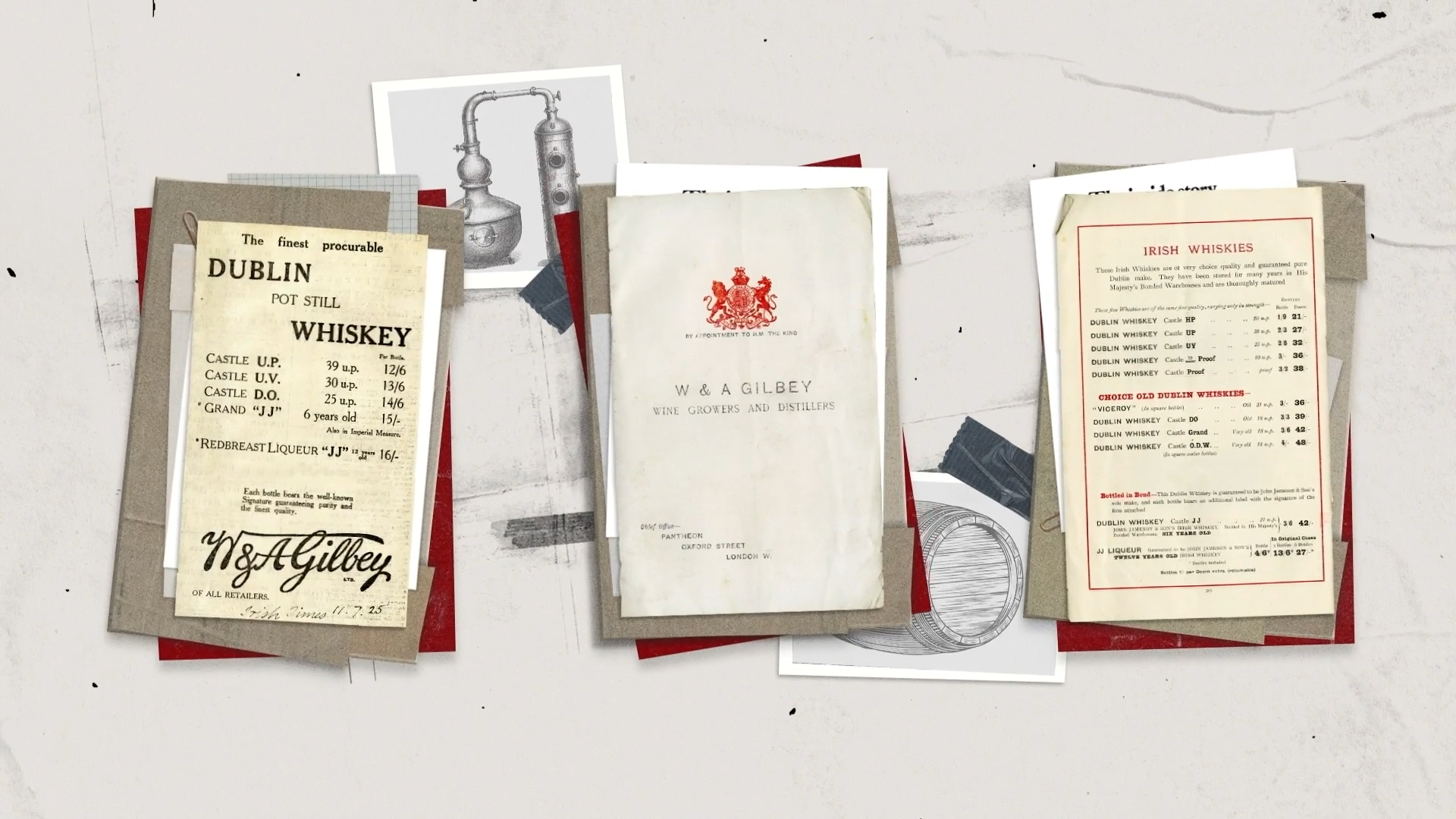
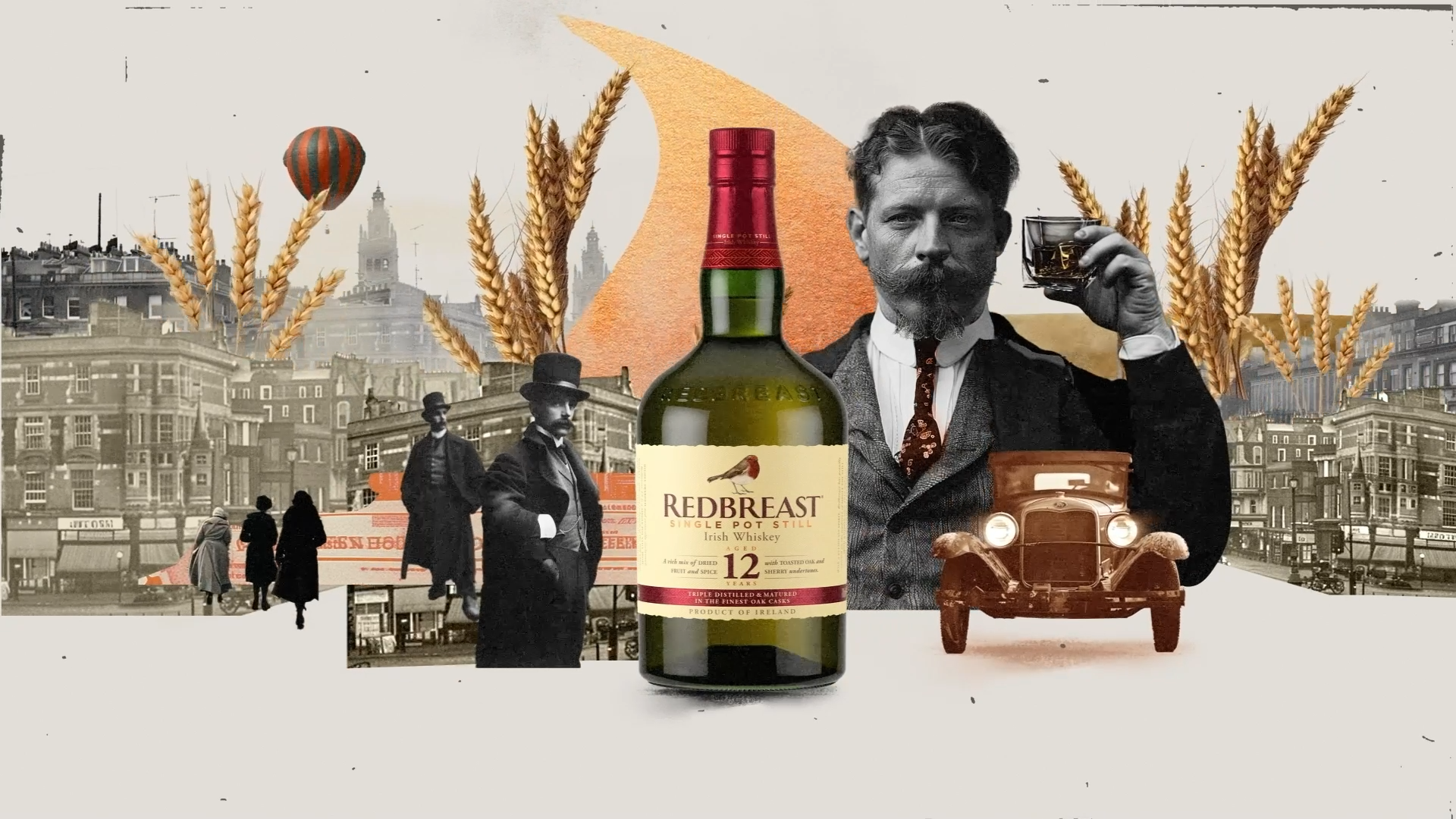
For Redbreast Whiskey, Animwood worked with archival photographs, newspaper clippings and footage from the client's collection. The mixed-media animation explored brand's Dublin heritage and historical moments including Prohibition and the Second World War.

See the Redbreast Whiskey mixed-media animation.

The project is a good example of how archival animation can work outside traditional documentary filmmaking as well. Historical material can become part of a brand film when a company needs to communicate its heritage, origins or cultural identity.

Historical timelines and educational animation

Not every historical story needs a dramatic reconstruction.

Sometimes the challenge is to explain a large amount of information clearly and quickly.

For ABC News' Earth Day content, Animwood created an educational animated video covering the history of our planet and the development of human impact on the environment.

The animation uses a timeline to move between major periods, while 2D animation, 3D elements and graphic design create a visual structure around the story.

Watch the ABC News Earth Day animation.

The Earth itself became the central visual element. Historical figures, events and environmental changes were researched and then translated into animation, while vintage textures helped create a documentary-like feeling.

This approach works particularly well for educational content, museums, broadcasters, cultural organisations and organisations that need to explain historical or scientific subjects.

Mixed media and historical storytelling

Historical animation does not have to follow one visual technique from beginning to end.

A single film can combine photographs, live-action footage, hand-drawn animation, 3D elements, collage, typography and motion graphics.

This is especially useful when a project contains different types of source material. Instead of forcing everything into one style, animation can create a visual bridge between them.

The DODA documentary is one example, combining live action, archival imagery, collage and character animation.

HerStory takes another approach, using mixed media to transform photography, newspaper clippings and illustration into animated historical narratives.

Redbreast Whiskey uses the same broader principle in a brand context, turning archival photographs and newspaper material into an animated visual language.

These projects can all be explored in Animwood's animated documentary portfolio.

Research is part of the animation process

Historical animation has an additional challenge: accuracy.

Characters, clothing, architecture, locations, objects and historical events may need to be researched before they can be designed. The visual interpretation can be artistic, but it still needs to respect the source material.

This was particularly important for the ABC News Earth Day project, where historical figures and events had to be researched before being translated into the animation. The same principle applies to character-driven historical documentaries. The HerStory team studied each script and developed storyboards around the achievements and experiences of the women featured in the series. Animation gives filmmakers creative freedom, but that freedom works best when it is grounded in reliable references.

When is historical animation the right choice?

Historical animation is useful when the story contains events that were never filmed, memories that cannot be represented through archive footage, or information that needs a clearer visual explanation.

It can also be useful when an existing archive is visually limited and needs to become more dynamic without losing its connection to the original material.

For documentary filmmakers, production companies and broadcasters, animation can therefore be anything from a short animated insert to a major part of the film.

Our documentary animation production service covers these different applications, from archival animation and historical reconstruction to character-driven documentary sequences.

Historical animation at Animwood

Historical stories can be difficult to film because the past cannot be recreated in front of a camera in the same way as the present.

Animation offers another option.

It can reconstruct an undocumented event, visualise a person's memories, transform an archive into a moving sequence or explain decades of history within a few minutes.

At Animwood Studio, we combine animation production with documentary storytelling to create films that are visually distinctive while remaining grounded in the story and its sources.

Our portfolio includes the DODA documentary for Amazon Prime Video, the HerStory series for ABC News, the Redbreast Whiskey historical brand film and ABC News' Earth Day animation. Together, these projects show how different animation techniques can be used to tell stories about people, places, events and the past.

You can explore more of our work in the Animwood animated documentary portfolio or browse the complete Animwood project portfolio.

If you are developing a historical documentary, animated historical film, archival film or another project that needs to bring the past to life, contact Animwood at:

newbusiness@animwood.com.

SHARE IT

OUR SERVICES

EXPLAINER
VIDEO

ANIMATED FILMS

ANIMATED
COMMERCIALS

ANIMATED
CONTENT