Social Media Animation: Animated Content and Ads for Social Platforms

AUTHOR: Rafał CATEGORY: Animated Content

Social media animation can serve two very different purposes.

The first is short-form animated advertising: short videos designed to capture attention, communicate an idea quickly, and promote a product, service, or campaign.

The second is serialized animated content: recurring videos created specifically for a brand's social channels, where characters, stories, or educational topics can develop over multiple episodes.

Both approaches use animation to solve the same fundamental problem: getting people to stop scrolling and pay attention.

Today, animated content can be created for Instagram Reels, TikTok, YouTube Shorts, Facebook, LinkedIn, and horizontal YouTube videos. The key is to design the animation around the platform and the way people consume content there.

What Is Social Media Animation?

Social media animation is animated video content created specifically for distribution on social platforms.

It can range from a 10-second animated Reel to a complete series of educational videos. Depending on the campaign, animation can include character animation, motion graphics, typography, 2D illustration, frame-by-frame animation, cut-out animation, or a combination of techniques.

Unlike traditional advertising, social content needs to communicate very quickly. The opening seconds are often critical, and the visual idea needs to work even when the viewer encounters it without much context.

This makes animation particularly useful for creating distinctive, fast-moving content that can communicate a brand's personality while remaining flexible enough for different formats and campaigns.

Short Animated Content for Social Media

One of the most common applications is short-form animation.

These videos are typically built around a single idea: a joke, product benefit, visual gag, trend, character, reaction, or short story. They can be designed as standalone pieces or as part of a larger campaign.

Case Study: Crooked Tea

Crooked Tea is an example of animation created specifically for Instagram Reels.

The project consists of short animated pieces designed to express the brand's bold and vibrant personality. The animations use fun characters, expressive movement, strong colors, and quick visual storytelling to make the content immediately engaging.

The production combined Adobe Animate and Moho, with character animation and a visual style closely aligned with the brand guidelines. Storyboards and animatics were used to establish pacing before the final animation was produced.

For brands, this type of short-form social media animation can be particularly useful when the goal is to create content that feels native to the platform rather than like a traditional commercial.

Animated Ads and Reusable Content Systems

Animation can also be produced as a content system, rather than as a single video.

Instead of creating one finished advertisement, a campaign can include multiple animated elements that can be combined, reused, tested, and adapted for different messages and placements.

Case Study: Noova Energy Systems

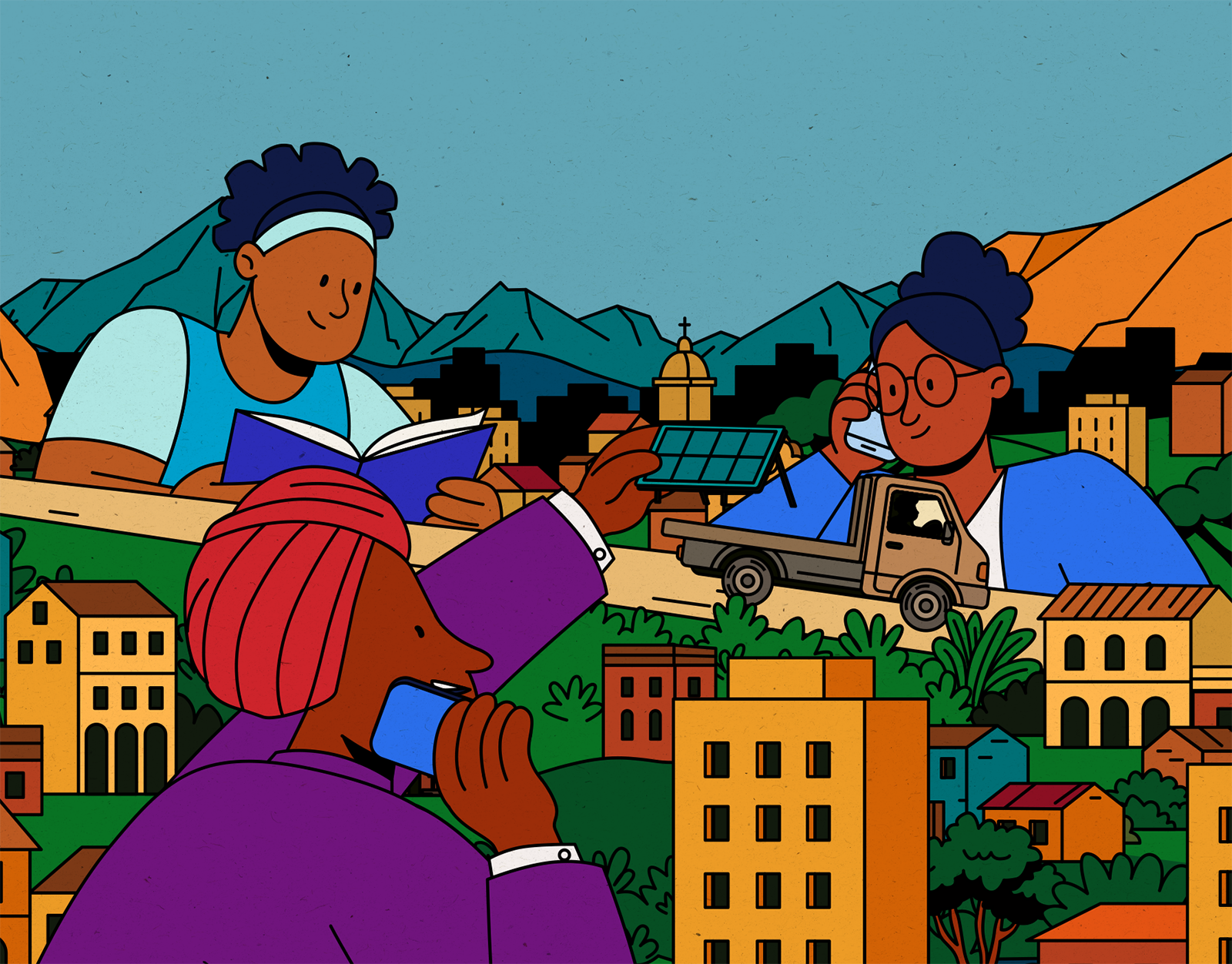
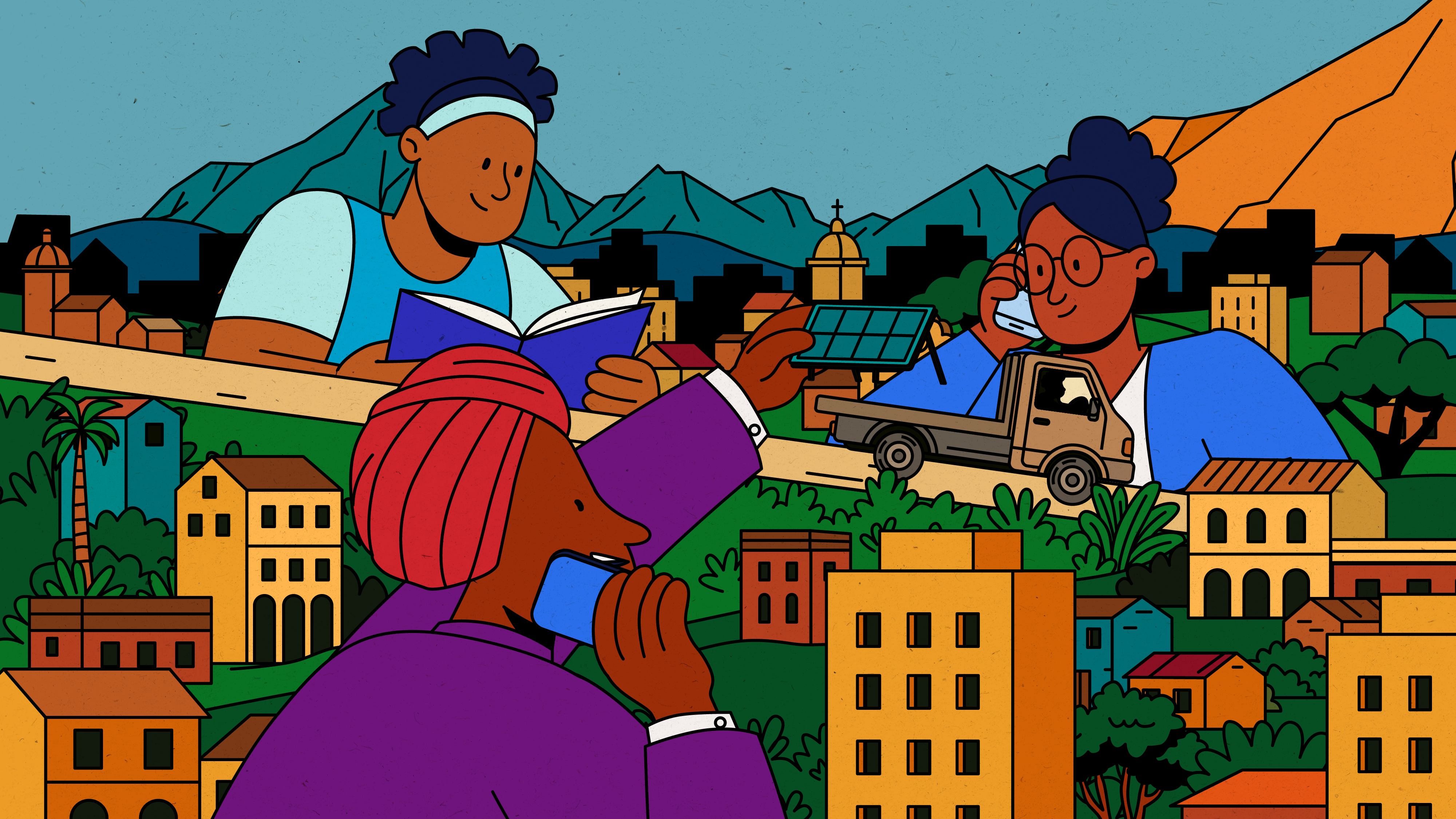
For Noova Energy Systems, the production included a 60-second event video, a 90-second product explainer, and a series of short ads in different formats.

The result was a cohesive motion language and more than 30 assets that could support Noova's marketing activities.

This type of approach makes animation more scalable. Instead of treating every social media video as a separate production, brands can build a library of visual assets, transitions, graphic elements, and animations that can be reused to create new content.

For social media teams, this can make it easier to test different messages, formats, and variations without starting the production process from zero each time.

Serialized Animated Content for Social Media

Not every social media animation needs to be an advertisement.

For educational organizations, nonprofits, media companies, and brands with an ongoing communication strategy, animation can become serialized content.

Instead of one campaign video, the goal is to create a sequence of episodes that can be published over time.

Animated series can use recurring characters, visual worlds, and storytelling formats to build familiarity with the audience. Individual episodes can also be distributed through YouTube and social channels while being reused for presentations, educational programs, lectures, or events.

Case Study: Crossroad Church and CEF

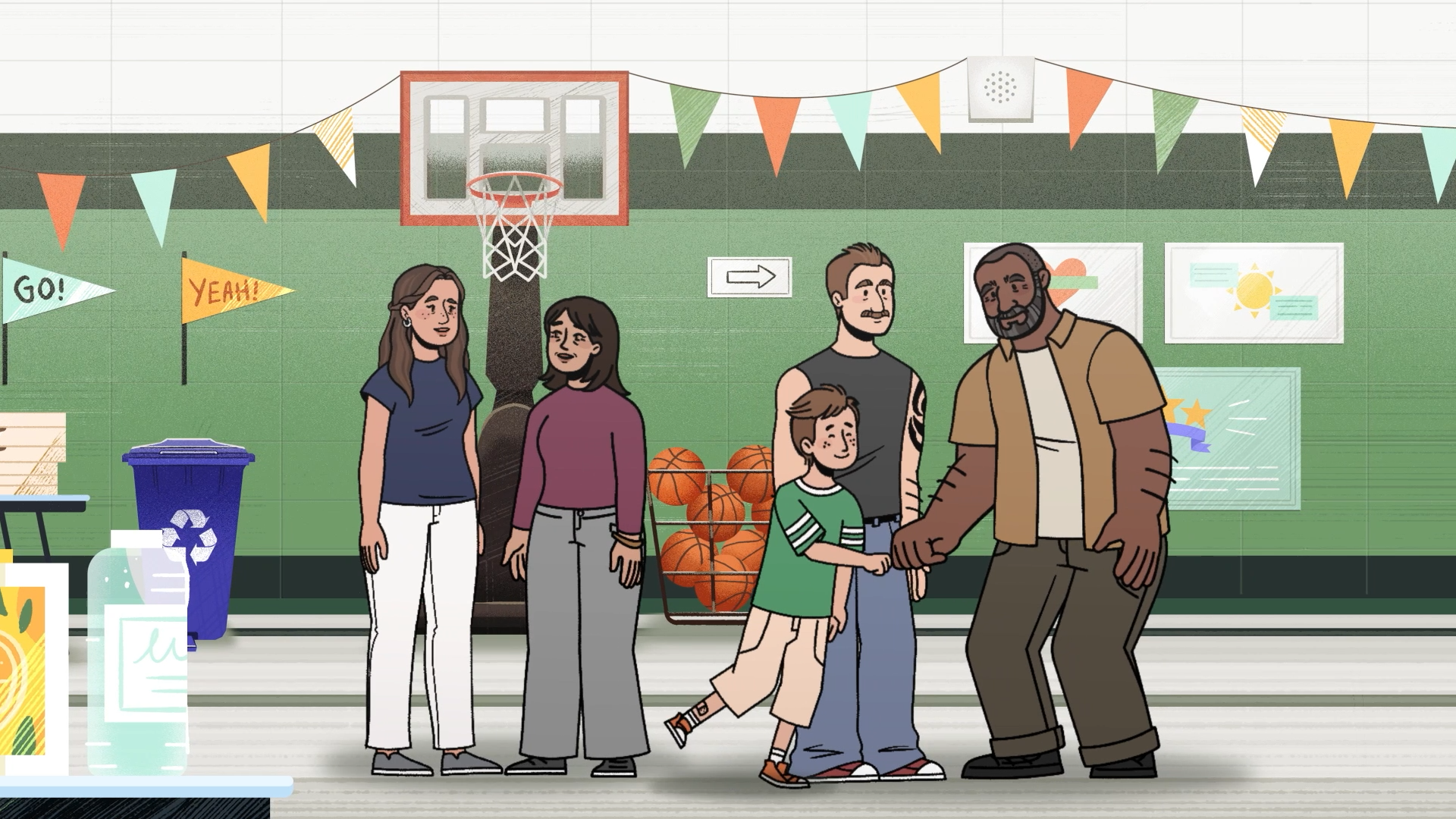
The God's Story was created for Crossroad Church as a series of short educational animated episodes.

The project required character design, historically researched environments, and a combination of rigged and frame-by-frame animation. The production focused not only on individual scenes but on developing a storytelling system that could support an entire series.

A similar approach was used for Child Evangelism Fellowship, as part of a broader cartoon series production partnership. The project uses a cast of characters to communicate an educational story and was designed around clear storytelling, character design, and 2D animation.

For organizations producing educational or mission-driven content, this approach can turn animation into a long-term communication channel rather than a one-off marketing asset.

Why Social Media Videos Need Different Formats

Creating one animation and simply uploading the same file everywhere is rarely the best solution.

Every platform has different viewing habits, aspect ratios, interface elements, and content requirements. A horizontal video created for YouTube may need to become a vertical composition for Instagram Reels, TikTok, or YouTube Shorts.

The most common formats include:

Horizontal video - typically used for YouTube and other long-form video placements.

Vertical video - commonly used for Instagram Reels, TikTok, and YouTube Shorts.

Square and portrait formats - useful for certain Facebook, LinkedIn, and feed placements.

The exact technical requirements can change over time, so production should always account for the current specifications of the platforms where the content will be published.


Size comparison:

3:4 Aspect Ratio

16:9 Aspect Ratio

The most important part of multi-platform animation happens before the animation itself.

Typography, characters, important information, logos, calls to action, and other visual elements need enough space to work in different aspect ratios.

A composition that looks balanced in a 16:9 YouTube video may become cramped when cropped into a vertical 9:16 Reel.

For that reason, a social media animation should ideally be planned for multiple formats during storyboarding and design. In some cases, scenes or even parts of the content need to be redesigned rather than simply cropped.

This approach makes it possible to create one visual campaign that works across YouTube, Instagram, TikTok, Facebook, and LinkedIn while still feeling native to each platform.

Social Media Animation as an Ongoing Content Strategy

The most effective social media animation isn't always the most complicated.

A brand might need a collection of short animated ads, a reusable library of motion assets, a character that appears in weekly content, or an entire educational animation series.

The right production approach depends on how much content needs to be created, how frequently it will be published, and how many platforms it needs to support.

For brands investing in animation as an ongoing channel, building a reusable visual system can be more valuable than producing one highly polished video.


Ready to chat about your social media strategy? Reach out to us at:

newbusiness@animwood.com

SHARE IT

OUR SERVICES

EXPLAINER
VIDEO

ANIMATED FILMS

ANIMATED
COMMERCIALS

ANIMATED
CONTENT