Why Storyboards Still Matter in the Age of AI

AUTHOR: Rafał CATEGORY: Marketing Videos for Business

AI can generate an image in seconds. It can turn a written description into a character, create a mood or suggest a visual direction almost instantly. So why do animation studios and agencies still spend time creating storyboards?

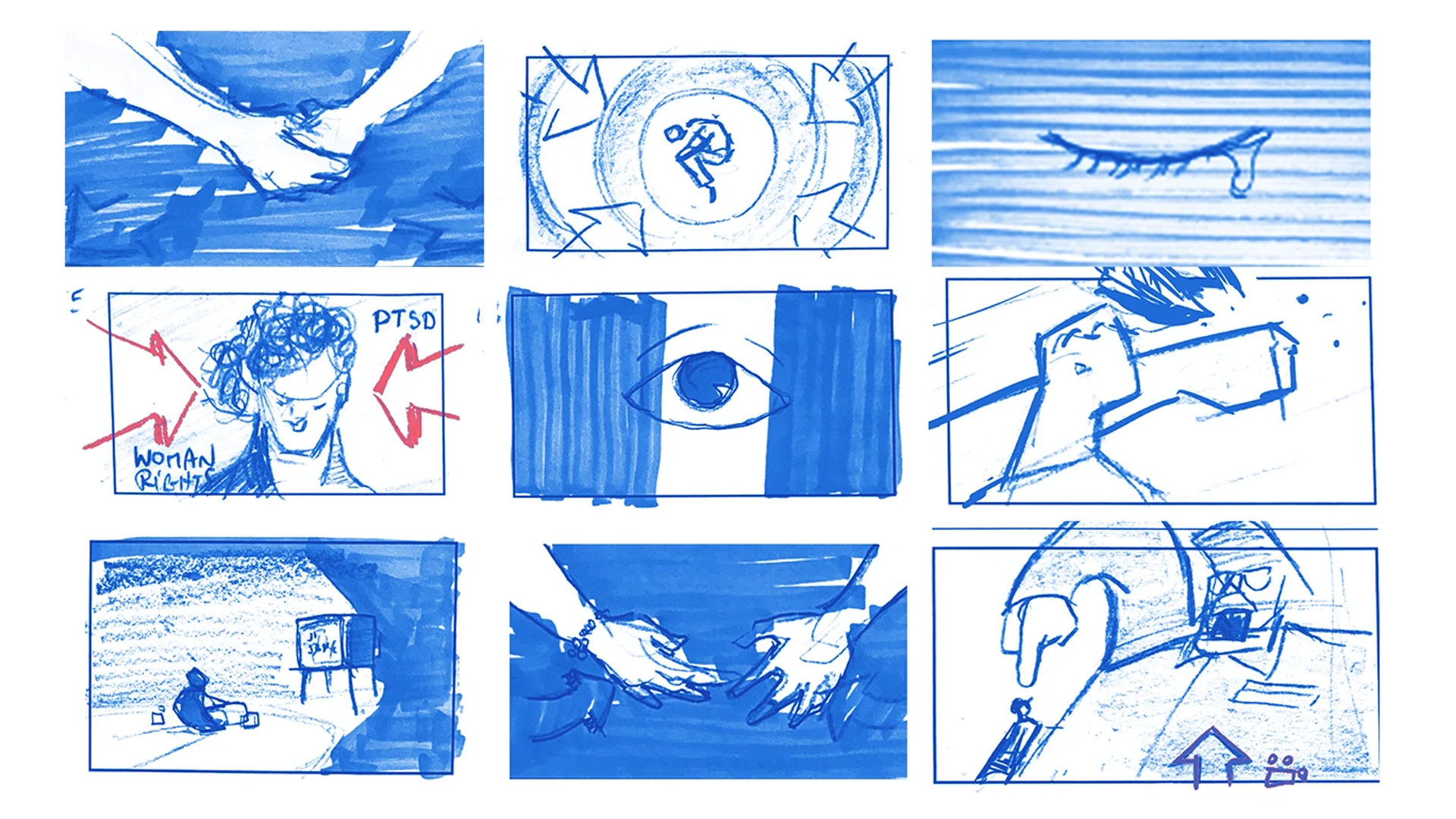
The short answer is that a storyboard is not simply a collection of nice-looking images. In professional animation production, it is a tool for solving the film before it is animated.

This matters whether you are producing an animated commercial, an explainer video or an animated brand film.

At Animwood, we use AI tools as part of our creative process, but we still rely heavily on traditional storyboarding. As Rafał Blecharz, Animwood’s Director and Creative Producer, puts it: “AI-generated storyboards can be useful, but they are not yet a replacement for the actual storyboard process.”


AI is useful. But it solves a different problem.

One of the most useful things about AI-generated storyboards is speed.

A director, agency or client can describe an idea and quickly see something resembling it on screen. This makes AI particularly useful at the beginning of a project, when everyone is trying to understand what a script might look like.

It can help turn “what if we had a character walking through a huge city?” into something visual that everyone can discuss - and in that sense, AI storyboards are excellent conversation starters.

AI storyboards can make communication between an animation studio and a client faster. Instead of discussing an abstract idea for ten minutes, you can point at an image and say: “This is close, but the character should be smaller,” or “We like the environment, but the scene should feel much more minimal”, which is genuinely useful. The main problem starts when an AI-generated image is treated as a finished storyboard.


A storyboard is more than an image


In professional animation production, a storyboard needs to communicate much more than the general appearance of a shot.

It needs to solve composition, camera positioning, character placement, movement, transitions and the relationship between individual shots, answering questions and solving problems such as: Why is the camera here?”, “What happens next?”, “Where does the character move?”, “What changes between these two shots?” and “How does this scene contribute to the rhythm of the whole film?”

AI-generated images can suggest answers to some of these questions. They rarely solve all of them consistently across an entire production - and for any film or animation studio, that consistency is essential.

A storyboard becomes the blueprint from which the art direction, design and animation are developed. It gives the team something concrete to build from before production becomes expensive.

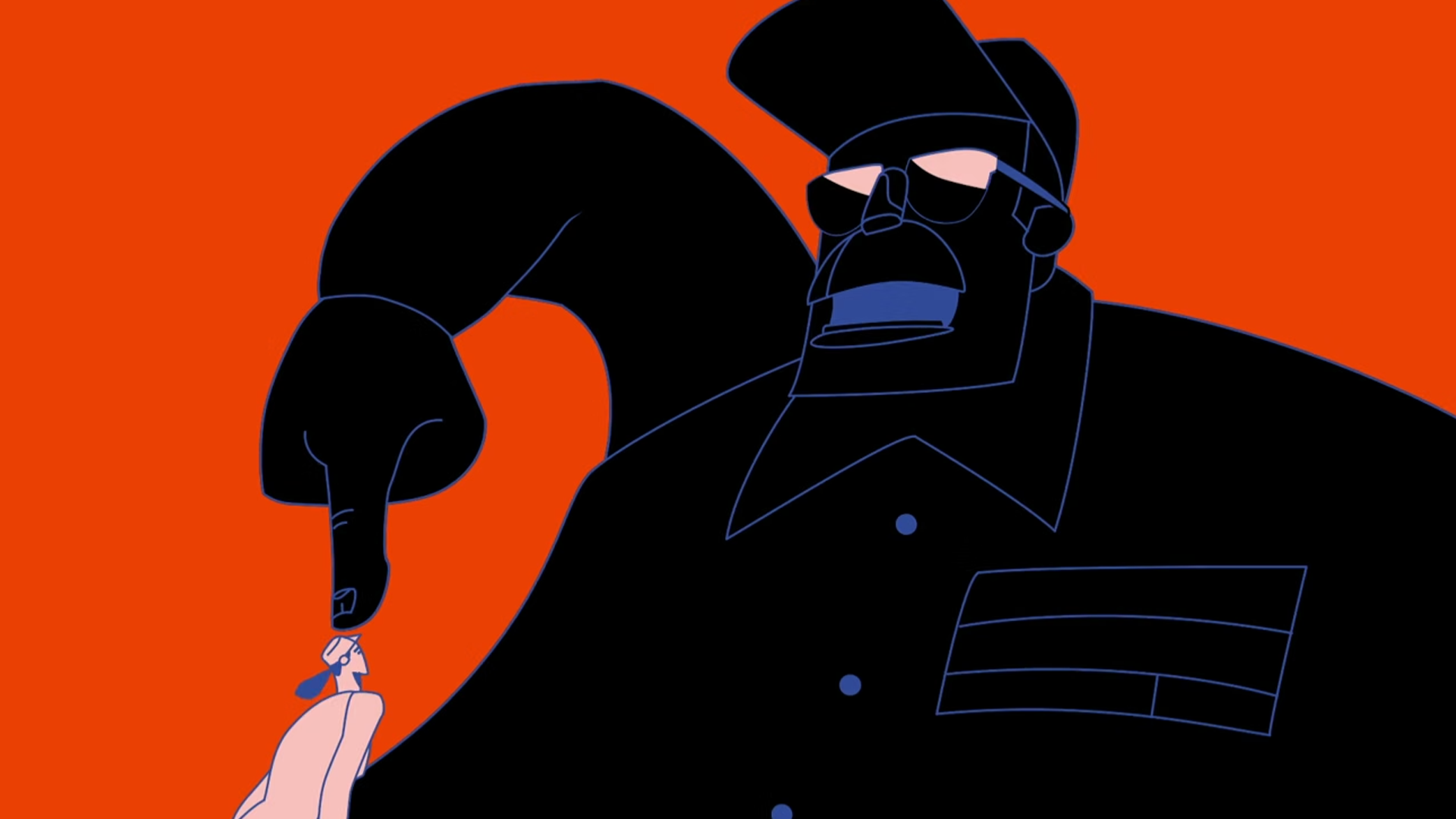
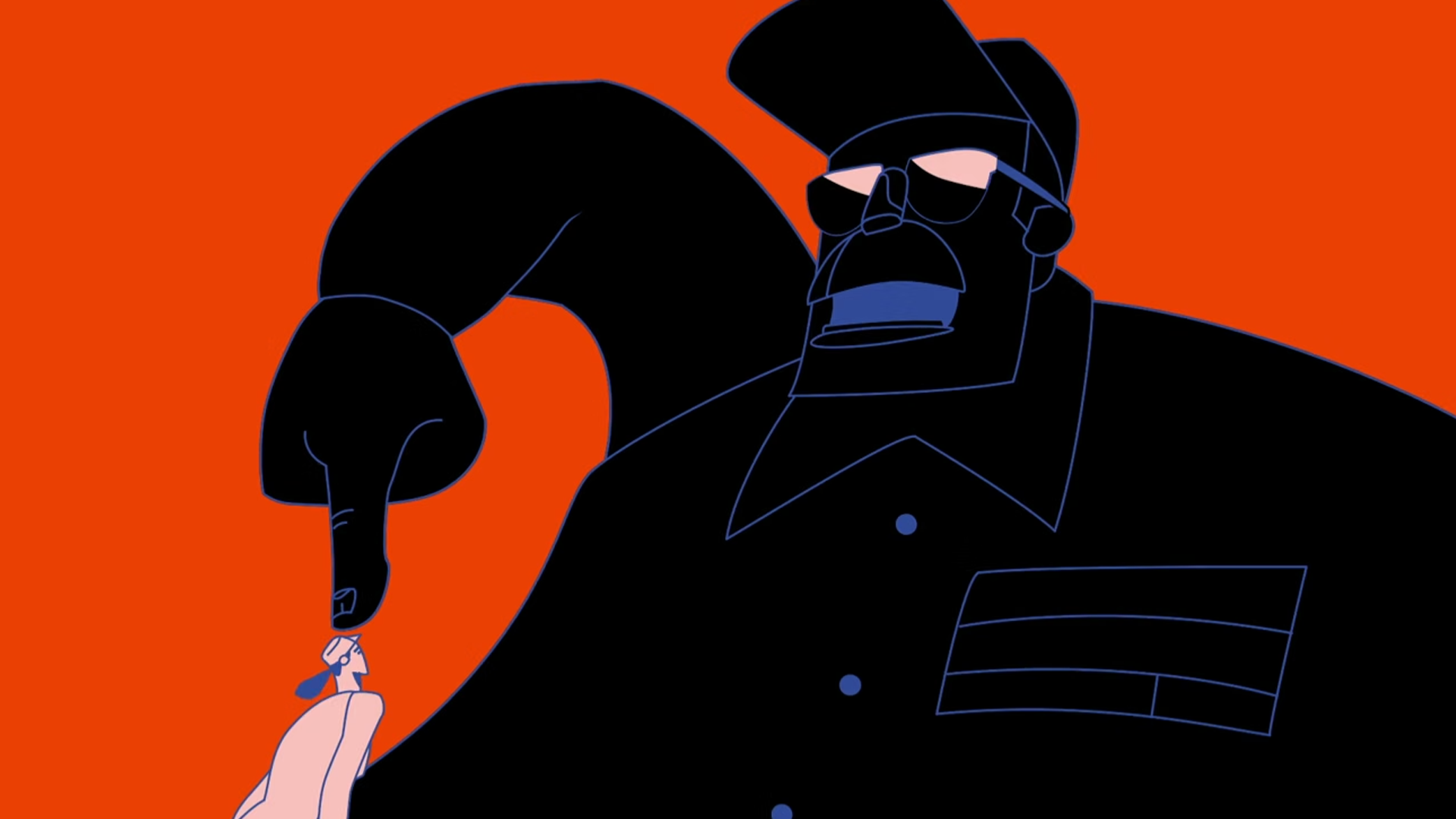
You can see this approach in projects such as our Acumen - Journey of a Dollar, where storyboarding and character design were closely connected to the visual storytelling.


Composition is part of the storytelling


One of the biggest differences between an AI-generated image and a production storyboard is intention.

A professional storyboard artist is constantly making decisions about composition. “Where should the main character stand? How much space should be left around them? Should the next shot be closer or wider? Where should the viewer look first? How does the camera movement connect one scene to another?”

These decisions become particularly important in commercial animation, where every second needs to work.

An animated commercial cannot simply contain a series of attractive images. The shots need to create a visual rhythm and guide the viewer through the message.

Good animation needs contrast


There is another part of storyboarding that is easy to overlook: contrast.

A video becomes tiring when every shot has the same visual weight.

Imagine a sequence where every frame is crowded, colourful and full of movement. After a while, nothing feels important anymore. Good visual storytelling needs breathing space. A busy scene can be followed by a clean one. A close-up can be followed by a wide establishing shot. A sequence full of characters can transition into an empty environment. A dark scene can give way to something bright.

These changes create rhythm - and animation as a whole is based on creating contrasts and consistency between the shots. Film and particularly the animated one is about the movement and movement can be defined as change. To acquire the chance, thus the movement, contrast is the key.

This is where experience and visual taste become difficult to automate. Someone has to look at the film as a whole and understand how one image affects the next.

As Rafał puts it, much of visual narration is built on contrast. Without it, we risk creating content that looks impressive as individual AI-generated images but does not work particularly well as a film - and our DODA Animated documentary is a good example for that.

The storyboard is where the film starts to become a film

Storyboard starts answering the question of how the audience will experience the script.

This is especially important for explainers. A good explainer cannot rely entirely on narration. The animation should add information, emotion and context rather than simply illustrating every sentence literally.

The same applies to brand videos and commercials. The storyboard is where the creative idea starts interacting with timing, composition, character performance and visual language.


So, should you use AI for storyboards?

Yes. But use it for what it does well. AI can be an excellent first step in the visualization process. It can help agencies and clients explore ideas quickly, establish references and communicate a general direction before the actual production work begins.

It saves time, simplifies communication but isn’t necessarily the production tool. Once the creative direction is agreed, the studio still needs to design the actual frames, solve the composition, plan the movement and build a visual rhythm that works across the entire film.


The future is probably not AI versus storyboards

At Animwood, we see AI as another tool in the production pipeline. It can help us explore and communicate ideas quickly, while the final visual decisions still come from the creative team.

That balance matters because animation is not simply about generating images. It is about deciding which images belong next to each other, how they change, how they move and what the audience should feel when they see them.


Need a storyboard for your next animated video?


Whether you are developing an animated commercial, an explainer video or a brand film, the storyboard is where the creative idea becomes a workable production plan.


If you already have a script, a rough concept or simply an idea you want to explore, reach out to us at:

newbusiness@animwood.com


SHARE IT

OUR SERVICES

EXPLAINER
VIDEO

ANIMATED FILMS

ANIMATED
COMMERCIALS

ANIMATED
CONTENT