How to Build Impactful Video Storytelling for Healthcare and Global Health Nonprofits

AUTHOR: Animwood CATEGORY: Healthcare animations

Healthcare nonprofits, global health NGOs, medical charities and public health organizations often have complex stories to tell.

Research and development, medical treatments, prevention programs, regulations, fundraising, patient support and public education all need to be communicated to different audiences. The challenge is not simply making the information understandable. It is finding the right story for the people who need to hear it.

For organizations working in healthcare and global health, video production can help turn complex information into communication that people can understand, remember and act on.


1. Start with your audience, not the animation

Before deciding on the animation style, ask who the video is actually for.

A research organization speaking to investors, partners or scientific stakeholders needs a different story from a medical charity speaking directly to patients or their families.

The same organization may need several videos because it has several audiences.

This is why we usually start with the message, audience, distribution channels and intended impact before developing the visual direction. It is also the approach we describe in our work on nonprofit animation and video production for NGOs and foundations.


2. Tell the story of the organization and its mission

Healthcare and global health organizations often need to explain what they do before they can explain a specific project.

An onboarding video or broader brand video can introduce the organization, its mission, its goals and the problem it is trying to solve.

This type of video should not try to explain everything.

Instead, it should give viewers a clear understanding of who you are, what you work toward and why your work matters.

For investors, donors, partners and new employees, this can become an important introduction to the organization.

The same principle applies to scientific and research-focused communication. Research can be highly technical, but the story around it can still be clear: what problem are you addressing, what are you developing, why is the work important and what could change as a result?


3. Make the human story visible

The people behind the research are important. So are the people who benefit from it.

For medical charities, health education nonprofits and mental health organizations, the human dimension can be especially important.

This is where storytelling can become more personal and emotional.

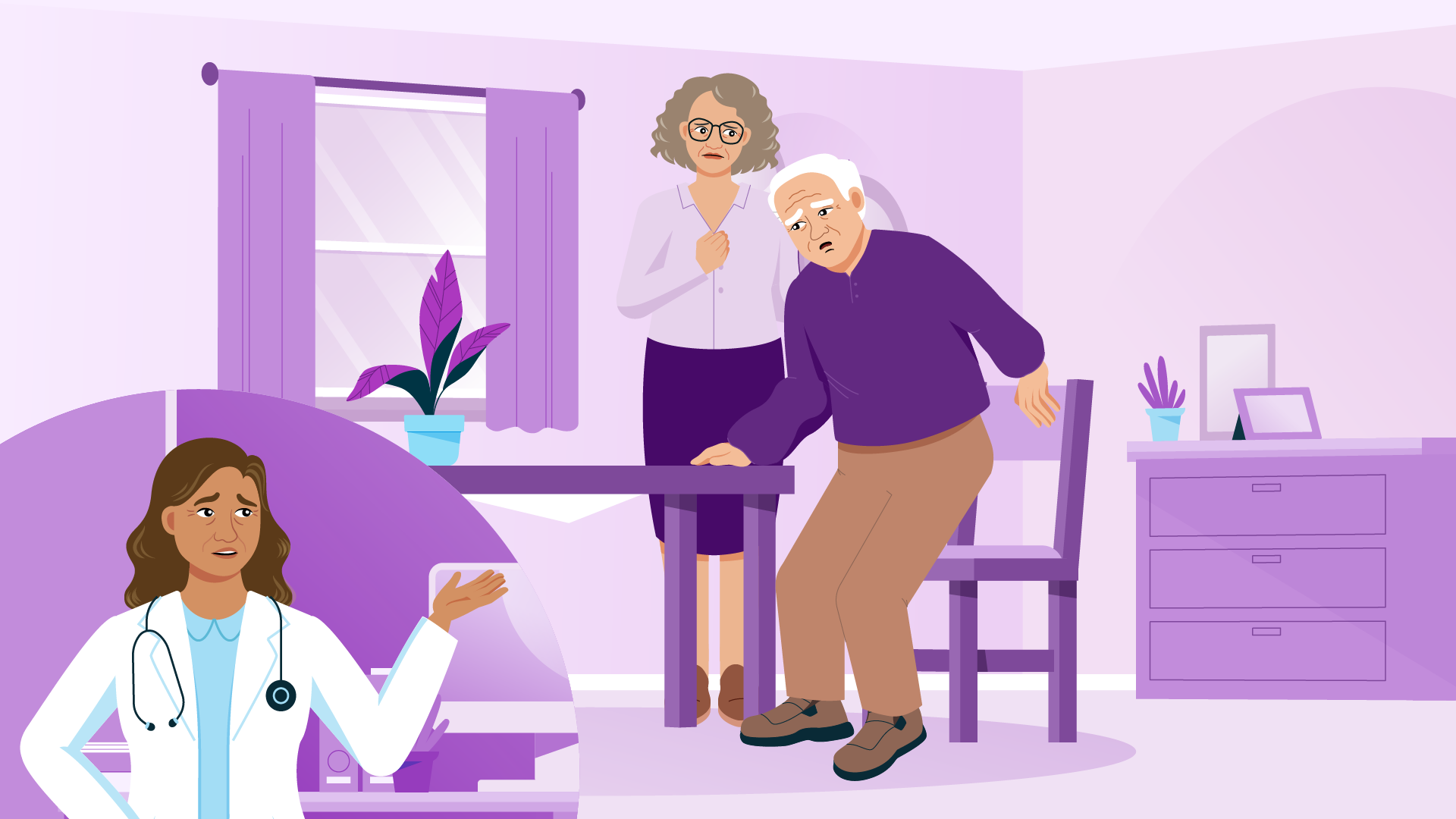
Our APIL “Rebuilding Shattered Lives” project focused on the story of a family dealing with the consequences of a serious accident. The animation was built around the family's emotional experience rather than simply explaining what APIL does.

That distinction matters.

A video can explain an organization. A story can help an audience understand why the organization's work matters. For healthcare communication, this does not necessarily mean making every video dramatic. Authenticity is often more effective than exaggeration.


4. Use animation to explain complex healthcare topics

Healthcare communication often involves information that is difficult to visualize.

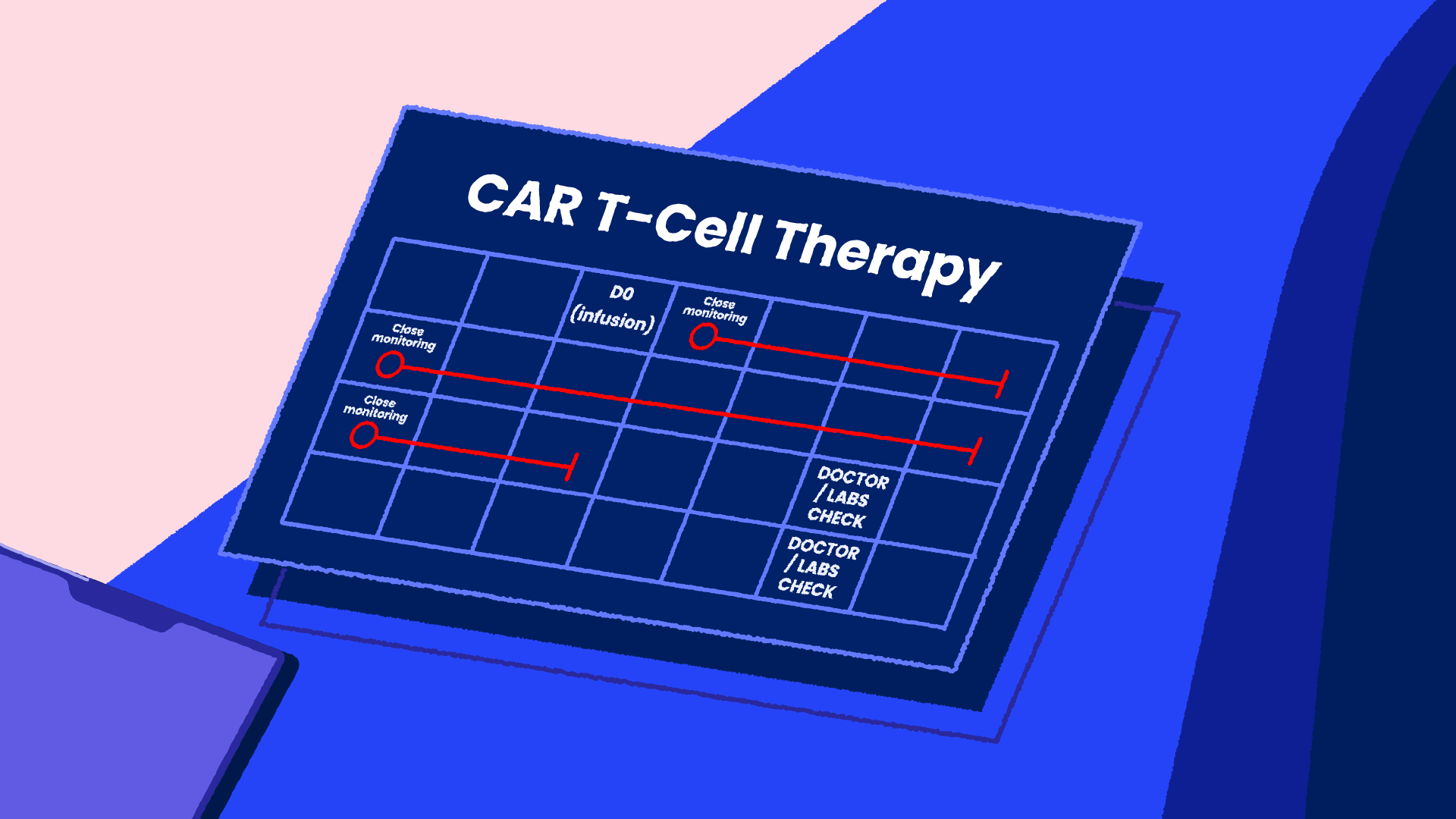
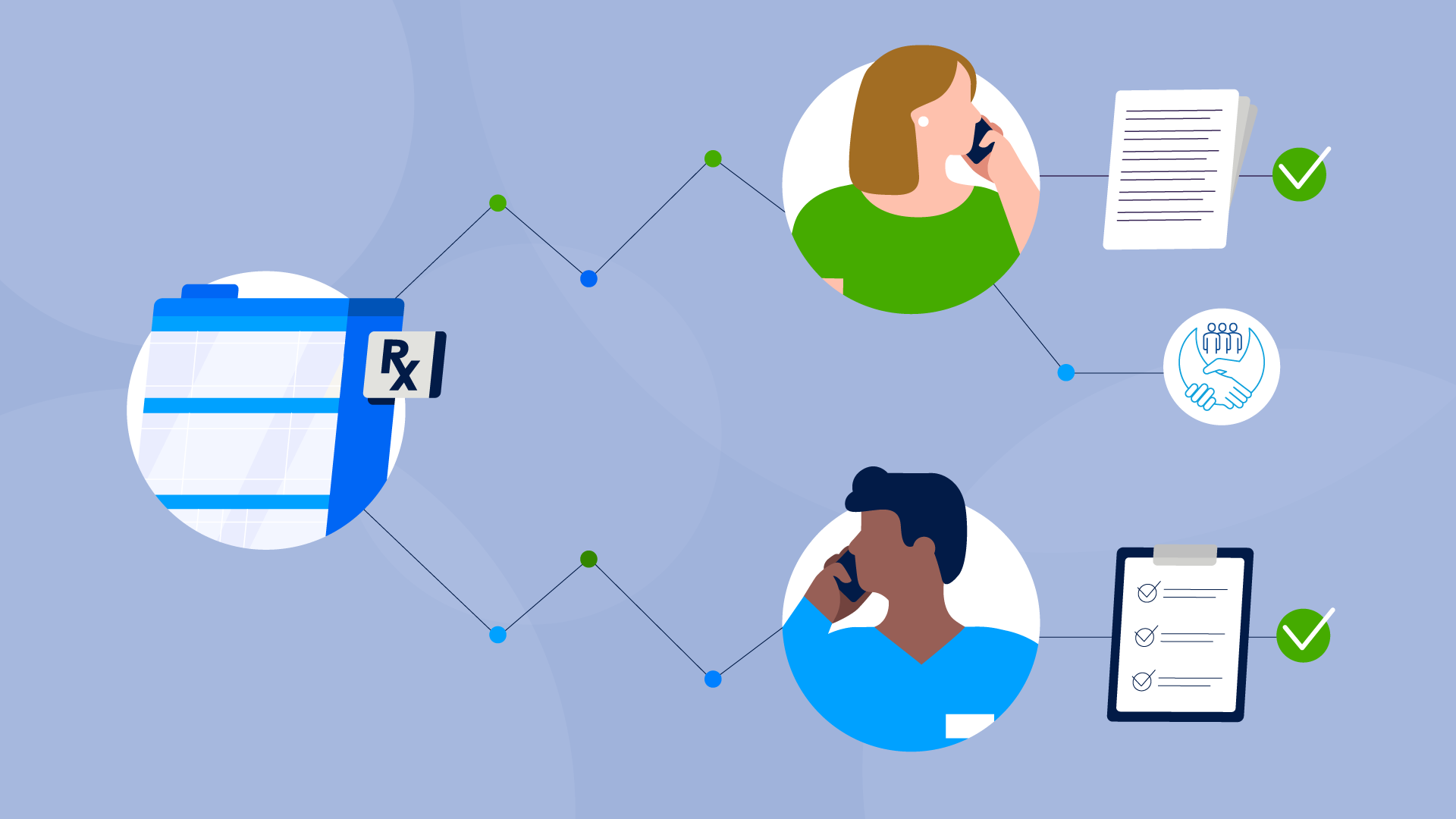
Animation can help explain medical treatments, prevention, research processes, public health programs, regulations or procedures without relying entirely on live-action footage.

For example, a campaign may need to explain how a treatment works, why screening matters, what a new regulation changes or how people can prevent a particular health problem.

An animated explainer can give the organization control over the visual language and simplify complicated processes without removing the important information.

This approach can also make sensitive subjects easier to communicate respectfully.


5. Build campaigns around several videos

One long video is rarely the only piece of content an organization needs.

A healthcare or global health campaign may have a main campaign film, followed by shorter videos addressing specific questions, audiences or stages of the campaign.

One video might introduce the issue. Another can explain the research. A third can answer a common question. Shorter versions can then be used for social media.

This approach also gives the campaign more opportunities to communicate with different audiences without forcing every message into the same film.

At Animwood, we have experience creating content in multiple formats. For Acumen's “Journey of a Dollar”, for example, the main animation was accompanied by six shorter versions adapted for social media channels.


6. Plan for every format from the beginning

Video production for healthcare nonprofits should not end with one 16:9 master file.

Social platforms may require horizontal, vertical and square versions. Reels and short-form videos may need different framing and pacing from the main campaign film.

These requirements should be included in the initial brief, production plan and budget.

It is much easier to design a video for multiple formats from the beginning than to discover later that important visual information has been cropped out of a vertical version.


7. Plan your language versions early

Global health organizations often communicate across countries and regions.

If your campaign may be used internationally, decide early whether you need English, Spanish, French or other language versions.

The language version can affect the script, voice-over, on-screen text, subtitles and even the length of individual scenes.

Planning multilingual production from the beginning makes it easier to create consistent versions for different markets.


8. Don't forget subtitles and sound-off viewing

A large amount of online video is watched without sound.

For healthcare campaigns, this makes subtitles and on-screen text particularly important.

Consider creating versions with closed captions as well as videos where the key information is visually communicated on screen. This can improve accessibility and make the content easier to understand in environments where viewers cannot use sound.

For international organizations, subtitles can also become part of the localization process rather than something added at the end.


9. Shorter videos can create a stronger campaign

There is often a temptation to put everything into one comprehensive film.

In practice, several short videos can be more useful.

A 60-second video can introduce a campaign. A shorter piece can explain one medical concept. Another can answer a specific question. A human story can provide the emotional connection.

Together, these videos can create a communication system rather than a single piece of content.

This is particularly useful for organizations that need to communicate repeatedly over several weeks or months.


10. Research, mission and people should work together

The strongest healthcare nonprofit storytelling usually has several layers. There is the research and development: what your team is working on and what it hopes to achieve. There is the organization: your mission, goals and approach. And there are the people: the patients, communities, families, healthcare workers, researchers and supporters who give the work its meaning.

A good video does not necessarily give equal attention to all three.

Instead, it decides which part of the story matters most for a particular audience. That might mean a more formal and evidence-led film for investors and institutional partners, a clear educational explainer for the public, or a more personal story for donors and beneficiaries.
 

Work with a production team that understands nonprofit communication

Healthcare and global health communication requires more than attractive visuals.

The production team needs to understand the subject, ask the right questions and find a visual language that respects the seriousness of the topic.

At Animwood, our team works across scriptwriting, creative direction, development, storyboarding, illustration, animation and sound. We are a Kraków-based animation studio working with international clients and partners, with experience across nonprofit, educational and purpose-driven projects.

Our nonprofit portfolio includes work such as World Relief, Acumen or set of animations for the American Cancer Society among others.

We also work across different animation approaches, from character animation and hand-drawn work to motion graphics and explainer videos.

For healthcare nonprofits, global health NGOs, medical charities and public health organizations, that flexibility can be useful because every message requires a slightly different approach.


Building a healthcare campaign that works across channels

A successful healthcare video campaign is rarely just about producing one beautiful film.

It starts with a clear message and audience. From there, the campaign can be developed into a main video, shorter explainers, social media cuts, vertical and square versions, subtitles and different language versions.

The result is a group of assets that can work together across your website, presentations, social media, fundraising campaigns and educational communication.

That is where video production becomes more than a one-off creative project. It becomes part of how the organization communicates its mission.

If you are planning a healthcare, public health or global health campaign and need help developing the story, formats and animation, contact Animwood at:

newbusiness@animwood.com.


SHARE IT

OTHER PROJECTS

CROSSROADS

As one of the largest private religious organizations in the USA, Crossroad Church not onlyhelps...

PRIMER

As one of the largest private religious organizations in the USA, Crossroad Church not onlyhelps...

AMAZON CIS

As one of the largest private religious organizations in the USA, Crossroad Church not onlyhelps...

OUR SERVICES

EXPLAINER
VIDEOS

CARTOON
SERIES

ANIMATED
COMMERCIALS

ANIMATED
CONTENT