Character-Driven Explainer Videos: Why Characters Work in B2B Animation

AUTHOR: Rafał CATEGORY: Explainer Video

Explaining a B2B product or service is rarely just about showing how it works. The audience also needs to understand why it matters, what problem it solves and how it fits into their everyday work.

That is where character-driven explainer videos can make a difference.

Instead of presenting a product through interfaces, diagrams and abstract motion graphics alone, character animation gives the audience someone to follow. A character can have a problem, make a decision, discover a solution and experience the result.

For complex products and services, this creates a simple narrative that is easier to follow and remember.

At Animwood Studio, we use character-driven storytelling for explainer videos covering everything from apps and digital products to technology platforms, financial services and other B2B solutions. Our approach combines character design, storytelling and animation to make complicated ideas feel more human.

Why use characters in a B2B explainer video?

B2B audiences are still people.

Even when the subject is an enterprise platform, IT service, financial product or business solution, the person watching the video usually has a specific challenge to solve. They may be looking for a faster process, a simpler tool, better security or a way to reduce unnecessary work.

A well-designed character can represent that person and give the audience a clear point of reference.

The character does not have to be an exact representation of the target customer. Instead, they can represent a wider audience group and the problems that group faces.

This is particularly useful when the product itself is difficult to visualise. Rather than explaining every technical detail immediately, the story can start with a familiar situation and gradually introduce the product as the solution.

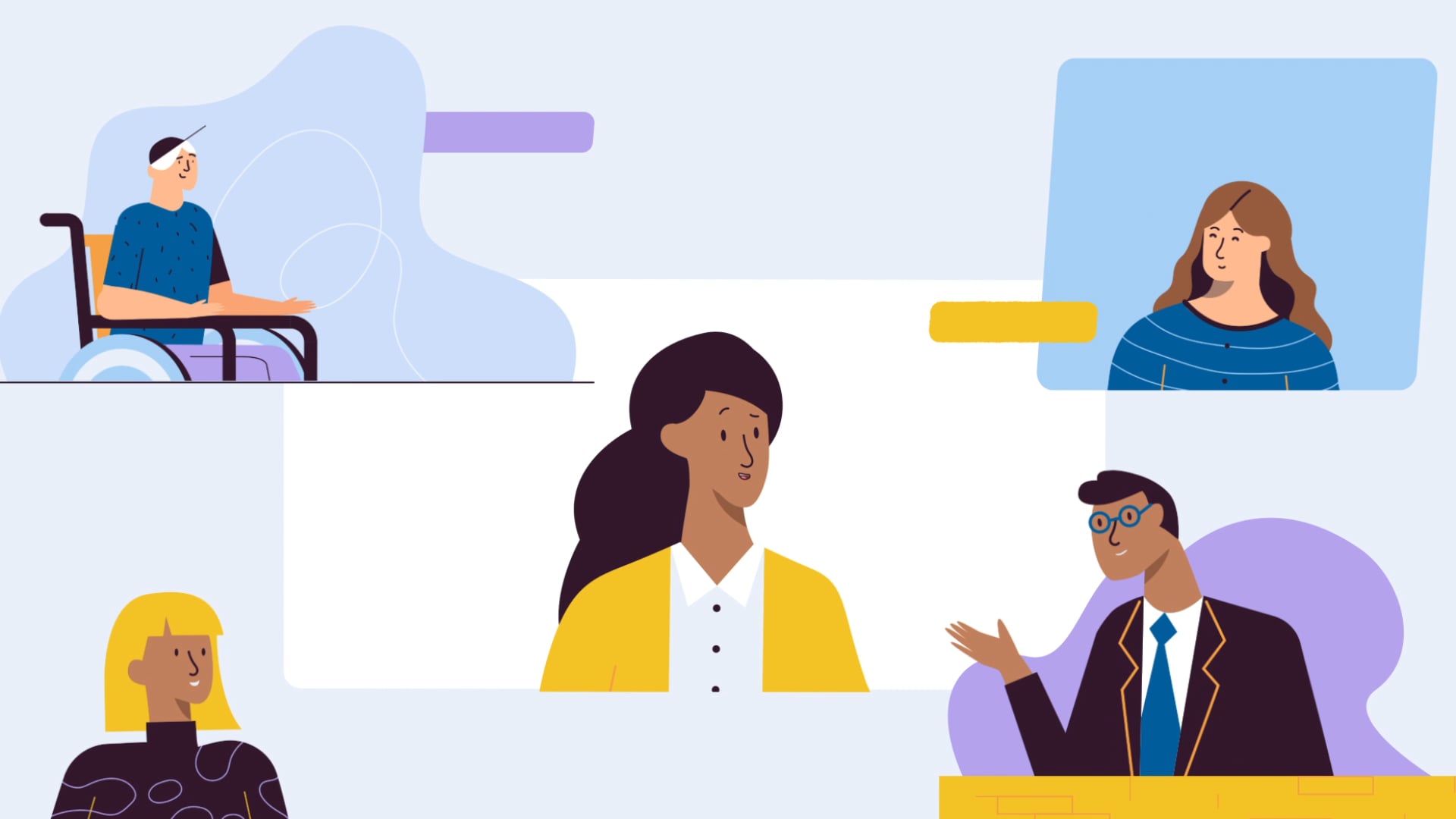
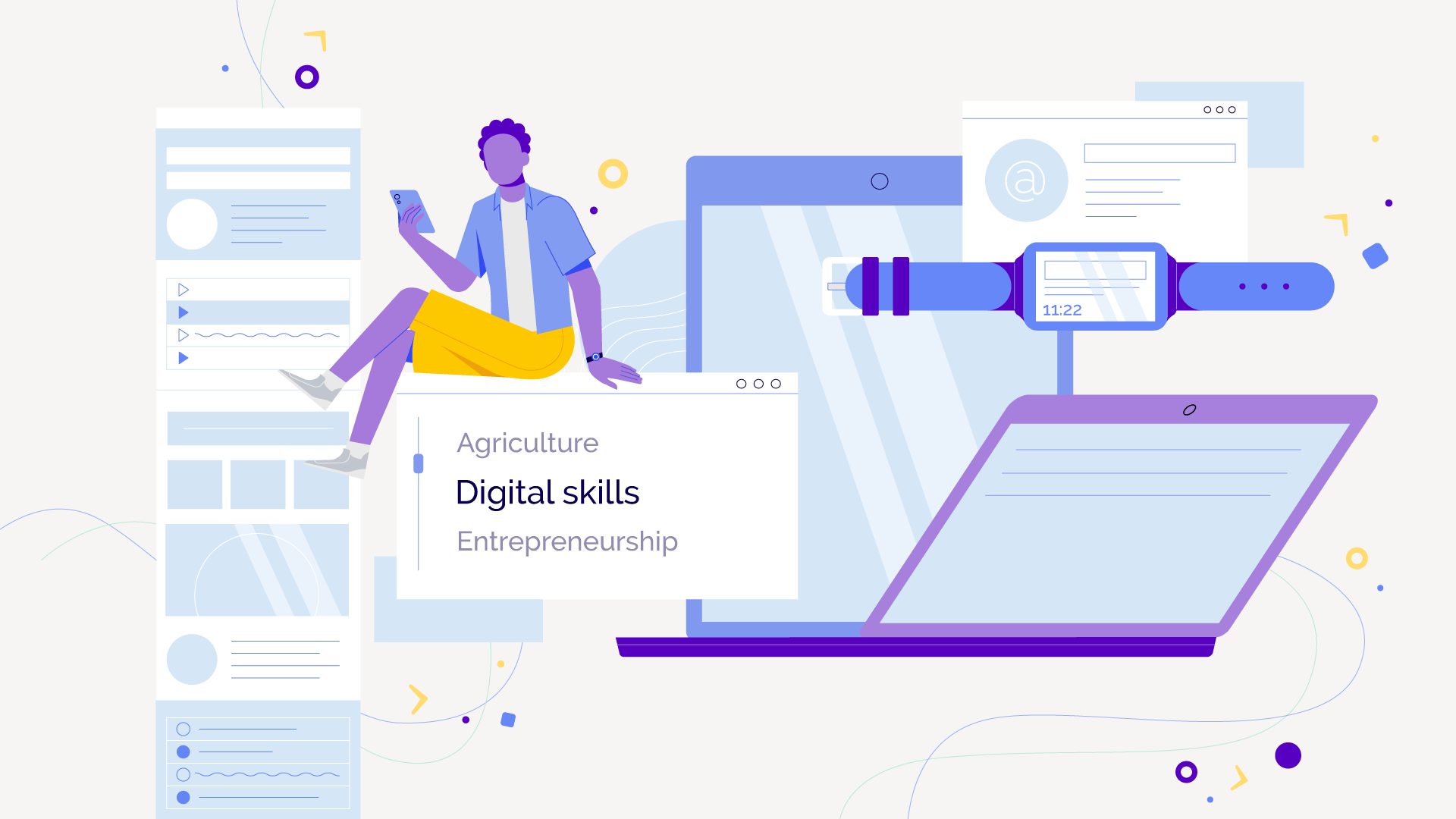
Our work for Springboard is a good example. The explainer follows Geraldo, a stylised character based on a real student, and uses his journey to introduce Springboard's courses, mentorship and career services.

You can see the Springboard character-driven explainer project here.

Three ways to use characters in an explainer video

There is no single formula for character-driven animation. The role of the character should depend on the product, audience and story.

1. The hero character

The simplest approach is to follow one main character from the beginning to the end.

We see their problem, follow their journey and discover the solution together with them.

This works particularly well when the product solves a recognisable personal or professional problem. The character becomes the audience's guide through the story.

Security@Me, for example, uses a strong visual identity and storytelling approach to explain a technology-related subject in a more accessible way. Animwood also used a character-focused approach extensively for Brainly, creating a cast of student characters and brand heroes to guide users through the product's features.

For Brainly, the characters were not simply decorative. Each one had a distinct look and personality and became part of the visual language of the series.

Explore Animwood's Brainly animated series.

2. Characters as part of the ecosystem

Sometimes the product is more important than the individual character.

In this approach, characters still appear in the animation, but they become secondary to the process, environment or wider ecosystem.

This can work especially well for SaaS products, IT platforms, startups and services where there are many users, teams, systems or interactions to explain.

The visual world can become almost isometric, with characters moving through it and demonstrating how the solution works.

The result is usually less emotional than a traditional hero story, but it can be much better suited to explaining a complex system.

For this type of project, the character supports the explanation rather than becoming the entire story.

3. The mascot or guide character

A third option is to create a character that acts as a guide.

This character might represent the product, company or service itself. It does not necessarily have a personal problem to solve. Instead, it takes the viewer through the product and helps explain what is happening.

Technology companies often use this approach with friendly robots or other abstract characters. A technical product can feel more approachable when it has a recognisable visual personality.

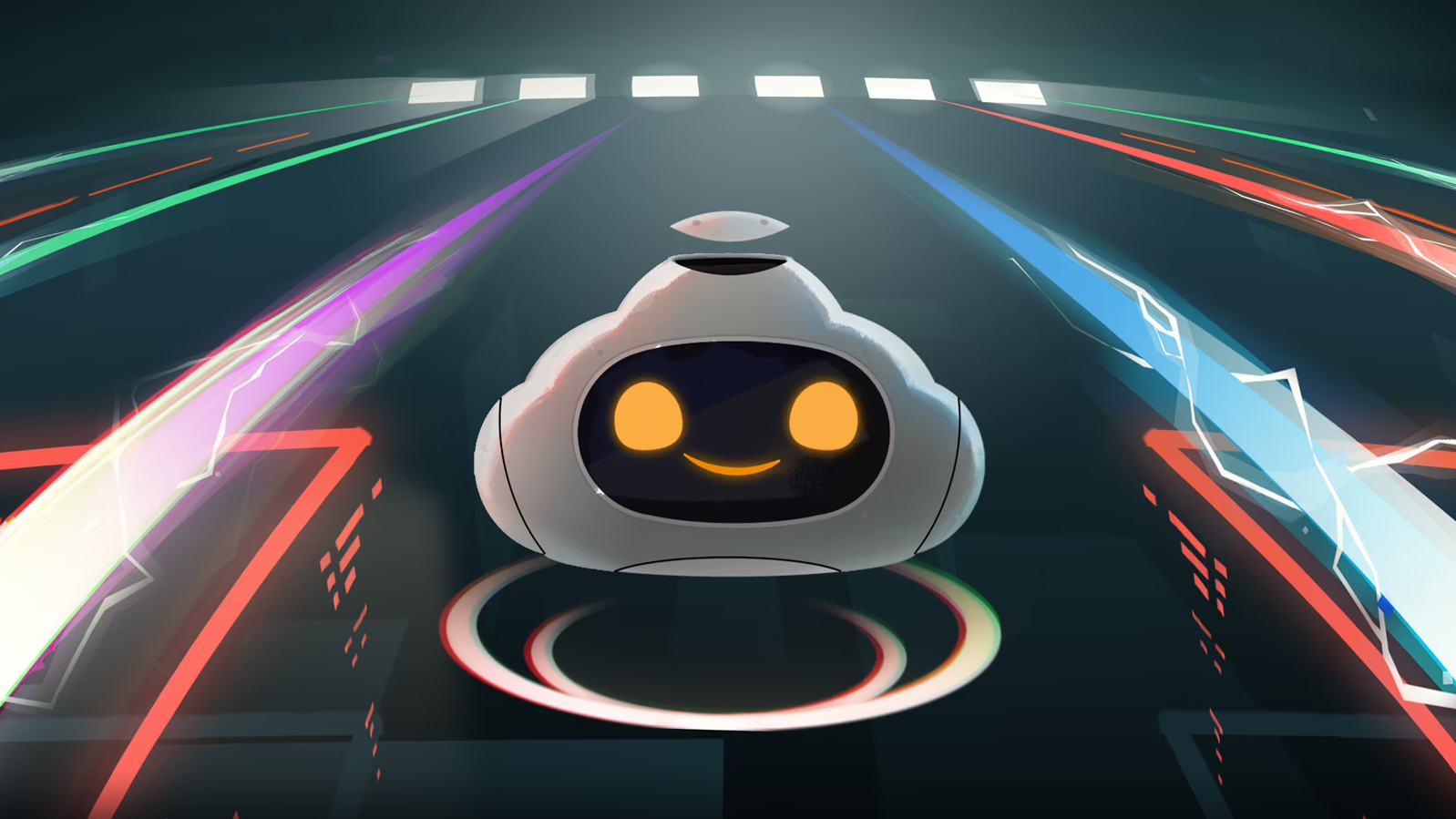
Meshmellow is one example from Animwood's portfolio. For the global B2B computer graphics platform, we created a colourful, cartoony animation and designed a robot character to guide viewers through the world of the product.

See the Meshmellow character-driven explainer.

The same principle can also be extended beyond a single explainer video. A character can become a recurring brand asset across websites, apps, social media and product interfaces.

We explore this approach in more detail in our article about animated mascots and brand heroes.

Characters can make complex stories easier to understand

Character-driven animation is not about making a B2B video look cute.

The character has to serve the communication.

For a financial service, the character might represent a business owner dealing with a difficult process. For an IT platform, they might be an employee trying to solve a technical problem. For an educational product, they might represent the learner.

Once the audience understands the character's situation, the product has a context.

That context can make a complex explanation much easier to follow.

Animwood's work for Acumen's The Journey of the Dollar takes a slightly different approach. Instead of following one human hero, the animation follows a donated dollar and the communities it eventually supports. The characters help show the real-world impact of the process, while the journey itself provides the structure of the story.

Character design starts before animation

A successful character-driven explainer video depends on more than good animation.

The character has to work within the story, communicate the right personality and remain readable throughout the film. Its design also needs to be practical for animation.

At Animwood, character design, storyboarding and animation are developed together. This allows us to create characters that are not only visually distinctive but also flexible enough to act, move and communicate clearly on screen.

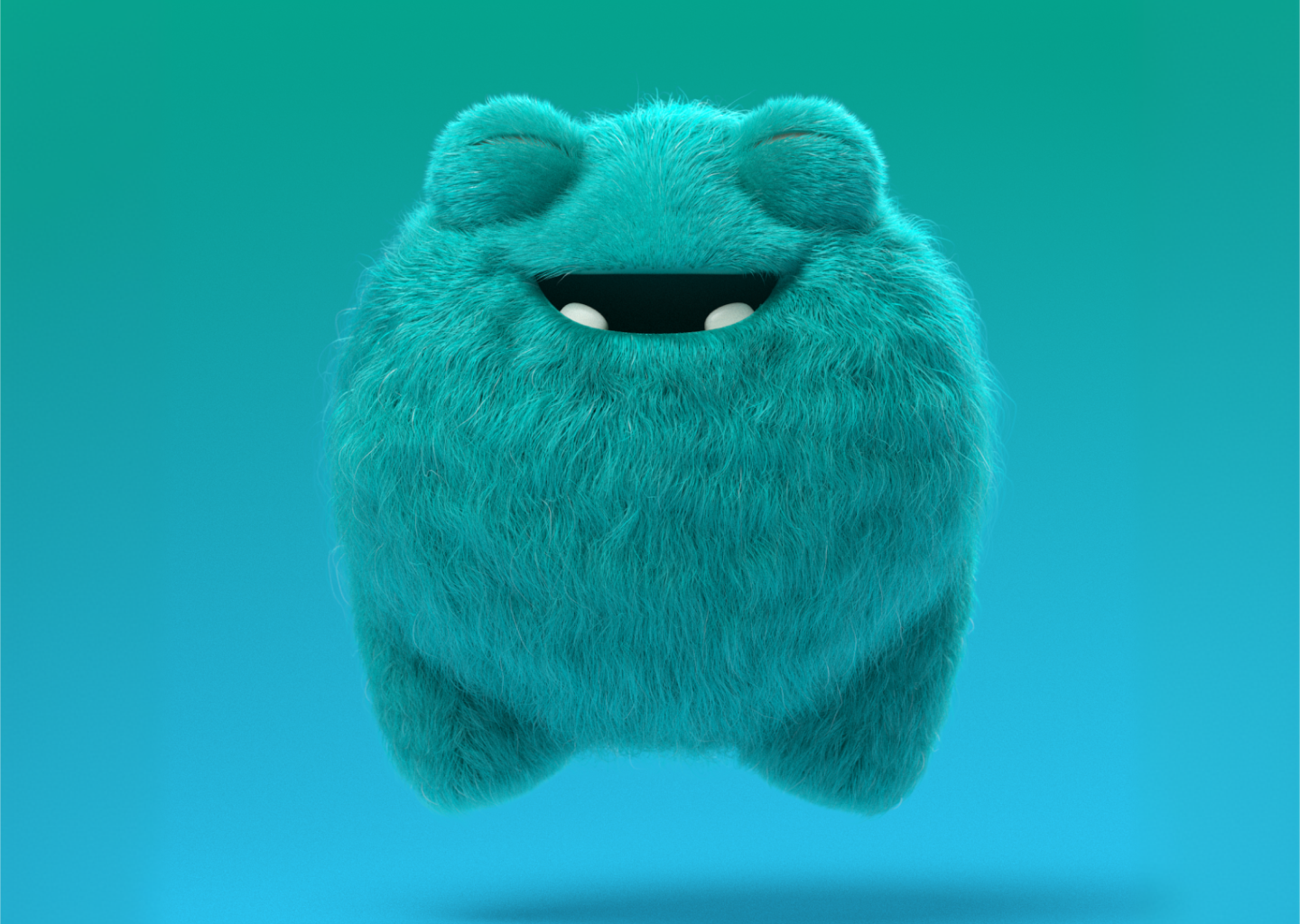
The same thinking applies when characters become part of a product or brand beyond the video. Our work on Kito, a 3D mascot for a mobile app, shows how character design and animation can turn a functional digital interaction into something more playful and memorable.

Explore the Kito 3D mascot project.

When should you use character-driven animation?

Characters are particularly useful when your audience needs to understand a situation rather than simply absorb information.

They can be a strong choice for SaaS products, IT services, apps, online platforms, financial services, educational products and other B2B solutions where the human context behind the product matters.

They are less useful when the story depends entirely on technical processes, data or system architecture. In those cases, a more objective animation style may communicate the idea more clearly.

The best solution is often a combination: characters for the human side of the story, supported by motion graphics, diagrams, UI animation or other visual techniques for the more technical parts.

That flexibility is an important part of Animwood's explainer video production.

Character-driven explainer videos at Animwood

At Animwood Studio, we create 2D and 3D animated explainer videos for products, services and brands. Character animation is one of the tools we use to make complex ideas easier to understand without losing the personality of the brand.

From Brainly's cast of student characters to Meshmellow's robot guide and Springboard's individual hero, our projects show that there are many ways to build a character into a business story.

The right character is not there simply to make an animation more entertaining. It gives the audience someone or something to follow, making the product easier to understand and the story easier to remember.

If you are planning a B2B explainer video and are not sure whether character animation is the right approach, talk to our team at Animwood:

newbusiness@animwood.com

SHARE IT

OUR SERVICES

EXPLAINER
VIDEO

ANIMATED FILMS

ANIMATED
COMMERCIALS

ANIMATED
CONTENT