Serialized Animated Content for Churches and Christian Organizations

AUTHOR: Rafał CATEGORY: Animated IP Development

Churches and Christian organizations have a long history of adopting new forms of media to reach their audiences.

Radio, television, film and broadcasting opened new ways for churches to communicate beyond their physical locations. Today, much of that communication happens through YouTube, social media, websites, apps and dedicated digital channels.

This shift has created a growing opportunity for churches and Christian organizations to develop content as a long-term asset.

Instead of commissioning individual videos whenever a new need appears, organizations can build a serialized content strategy around recurring formats, characters, stories and visual worlds.

At Animwood, we help churches and Christian organizations develop and produce animated content, from individual films to multi-episode series and original IP. Our work covers creative development, writing, visual development, animation and full production.

Our experience includes projects for Christian organizations such as Crossroads Church, Child Evangelism Fellowship and Newspring Church, as well as the development of animated series, original IP and animated content for international audiences. Our team has also worked on content for major streaming platforms, including Netflix and Amazon Prime, bringing experience in developing and producing content to professional standards for global audiences.

What Is Serialized Content?

Serialized content is a planned collection of related pieces built around a common format, audience and creative direction.

For a church or Christian organization, this can mean a series of animated Bible stories, a recurring children's show, a collection of educational films, animated songs or a character-driven series built around Christian values.

The advantage of working in a serialized format is that the creative and production work can build from one episode to the next with recurring characters or mascots; story world growing and making returns from once developed visuals and set style to optimize production pipeline that become more efficient.

Audiences know what to expect from the next episode and over time, the organization builds a recognizable body of work rather than a collection of unrelated videos.

Why Serialized Content Works for Churches

  1. Build a Long-Term Content Library

Churches and Christian organizations regularly communicate subjects that remain relevant for years.

Bible stories, Christian values, historical figures, educational topics and stories of faith do not depend on a single campaign or event. A well-produced animated series can therefore become a long-term content library.

An episode created for YouTube can later be used in children's ministry, schools, Christian clubs, church events or educational programs. The same production can also provide shorter clips, social media content, promotional material and teaching assets.

The production investment continues to create value as the content finds new uses.

2. Create a Recognizable Format

A series gives an organization the opportunity to establish a consistent creative identity.

This is especially valuable for children's content where characters, environments, animation style, music, storytelling and tone can develop into a recognizable format.

Children can return to familiar characters and worlds. Parents and teachers can recognize the series - and the organization can continue producing new stories without redesigning the entire project for every release.

This is where good visual development becomes important. Before production starts, Animwood’s distinct process establish the visual language of the project, including characters, environments, animation techniques and the overall look and feel of the series.

3. Plan for Multiple Formats

A serialized production can support multiple types of content.

A longer animated episode can become the source for:

  • Short-form social media videos
  • YouTube Shorts
  • Instagram Reels
  • Quizzes and trivia
  • Educational clips
  • Sermon illustrations
  • Event content
  • Character artwork
  • Promotional material
  • Teaching resources
  • And many more…!

These uses can be considered during development and production.

For example, a production team can plan shots, dialogue, characters and compositions with future short-form edits in mind. This makes the content more flexible, allows for cost-efficient content distribution and gives the organization more opportunities to use the same creative investment.

Animated Content for Children

Children's content is one of the strongest applications for serialized animation within Christian organizations.

The formats can include: Animated Bible stories, Christian children's series or animated songs and music videos.
Very interesting formats include also: Original stories based on Christian values, Educational films, Micro-dramas or Quizzes and interactive content.

The format should be designed around the intended age group.

A series created for four-year-olds requires different pacing, character design, storytelling and sound design than content created for older children and the same principle applies to the production pipeline. Once the format has been established, new episodes can be produced within the same creative framework.

Animated Content for Adults

Animation also has a place in communication aimed at adults.

Churches and Christian organizations can use animation for:

  • Gospel-focused films
  • Sermon illustrations
  • Educational content
  • Church history
  • Stories about important figures
  • Mission and fundraising content
  • Testimonies
  • Documentary sequences
  • Organizational explainers

These projects can combine animation with live action, interviews, archival footage, photography and other forms of media.

A mixed-media production can be particularly useful when an organization wants to preserve historical material while presenting it in a contemporary format - as it makes use of the existing photos, archives and captured footage - and then elevating them into and engaging stories.

Case Study: The God's Story

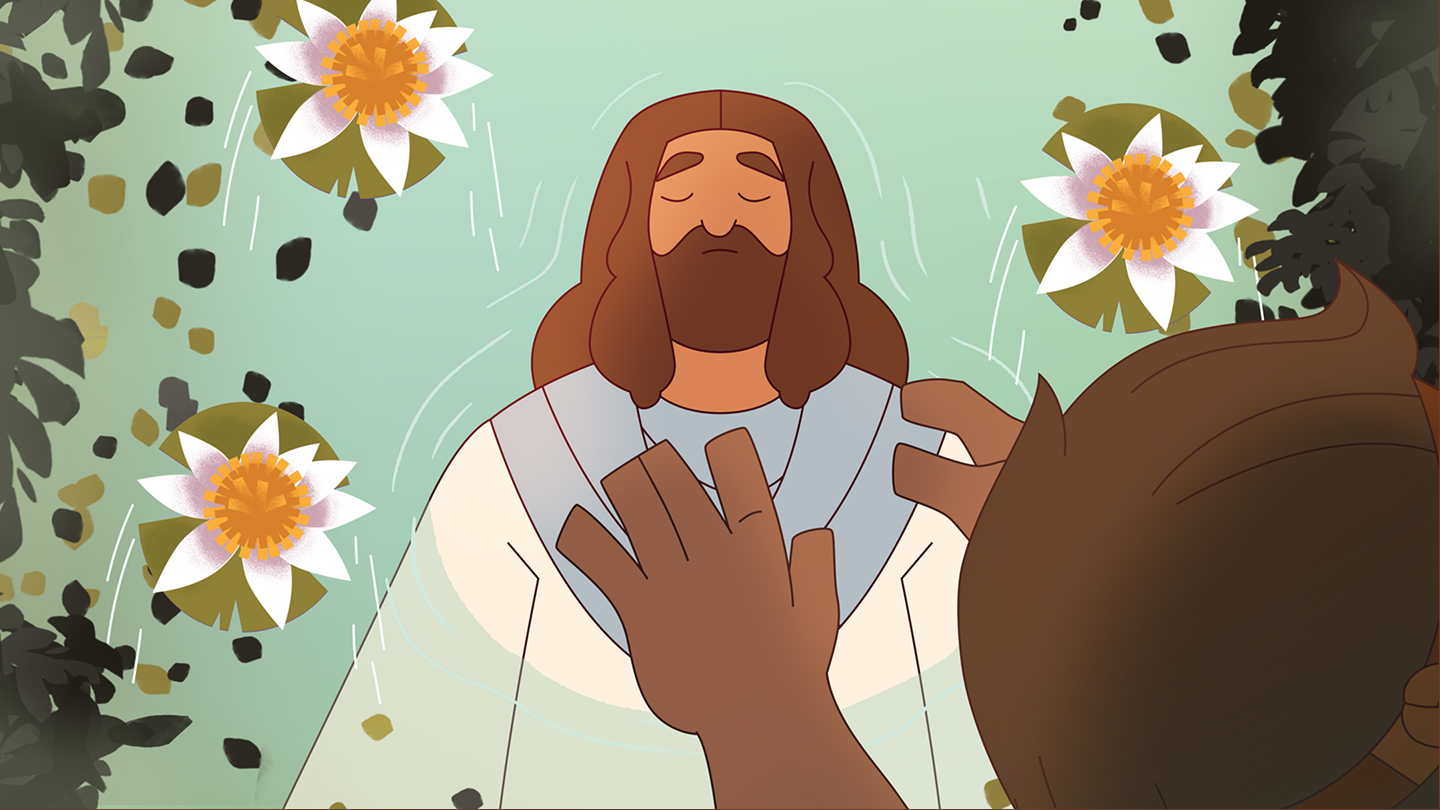
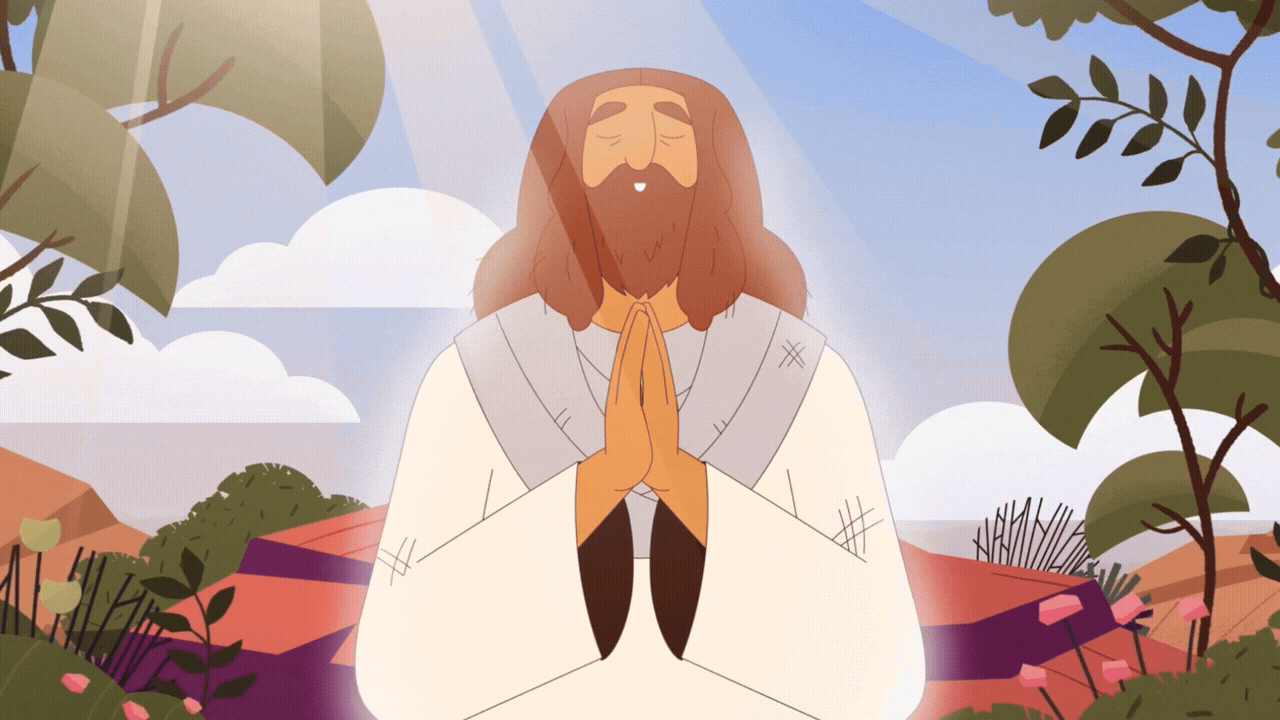
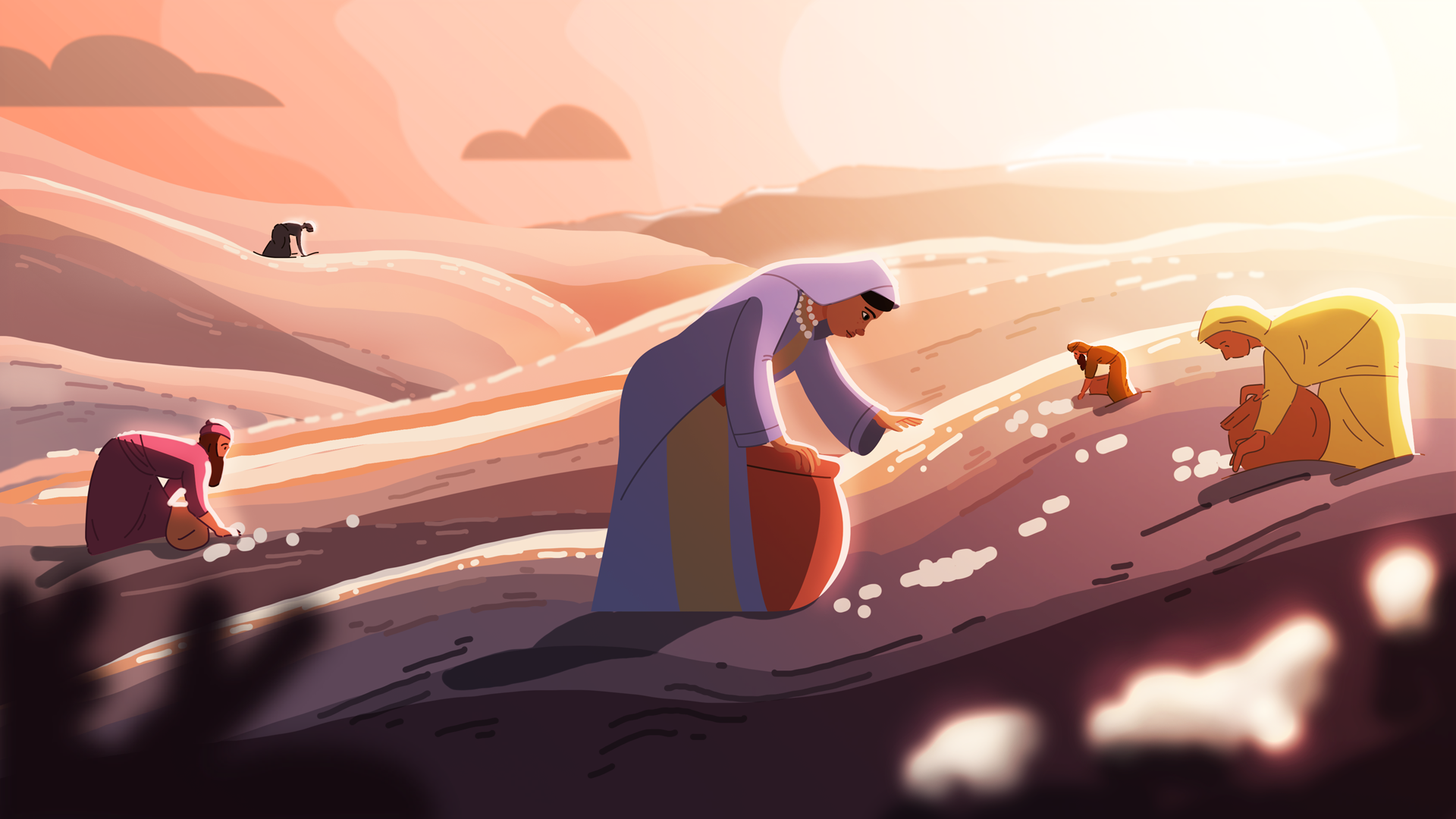
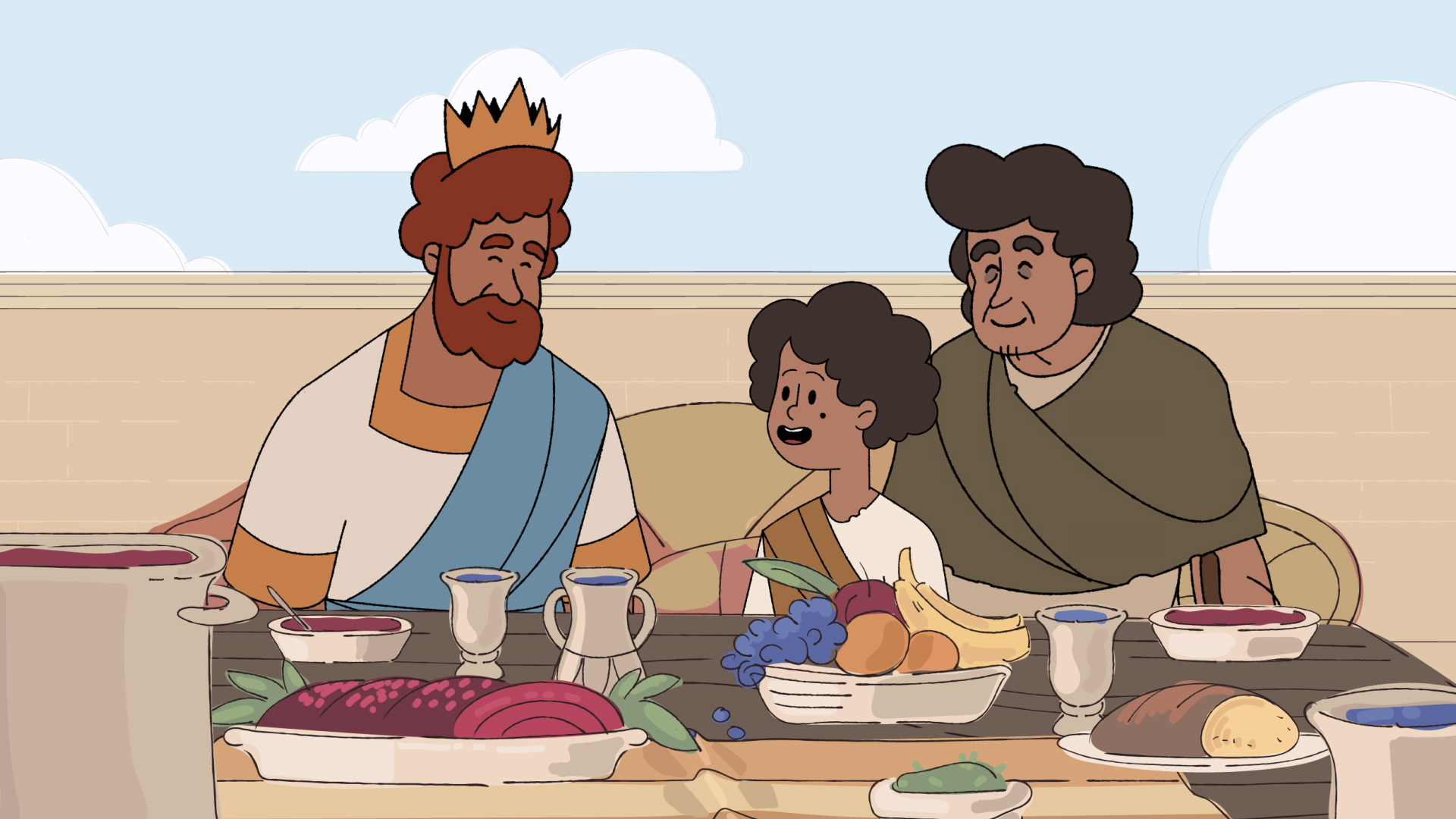
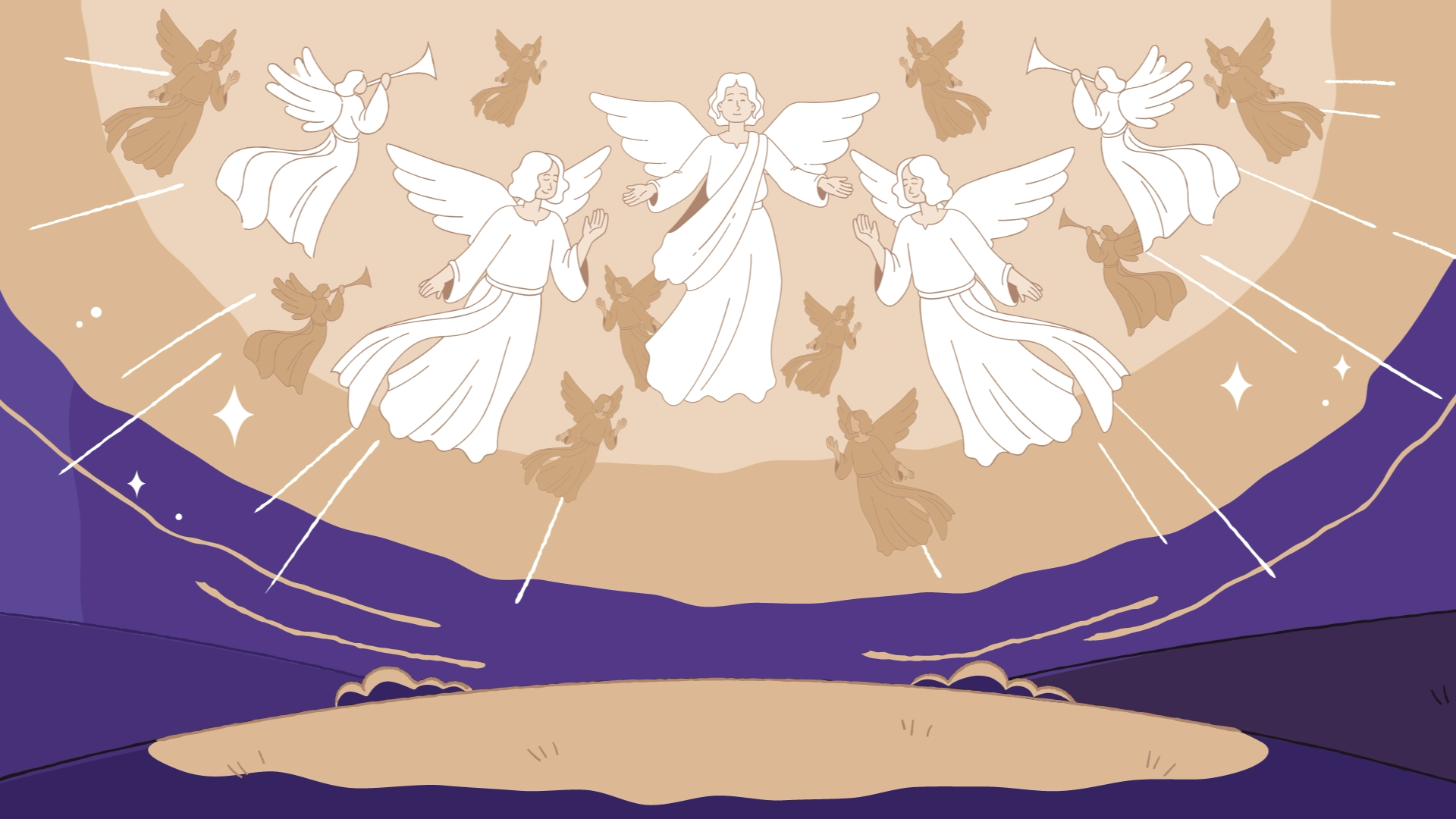
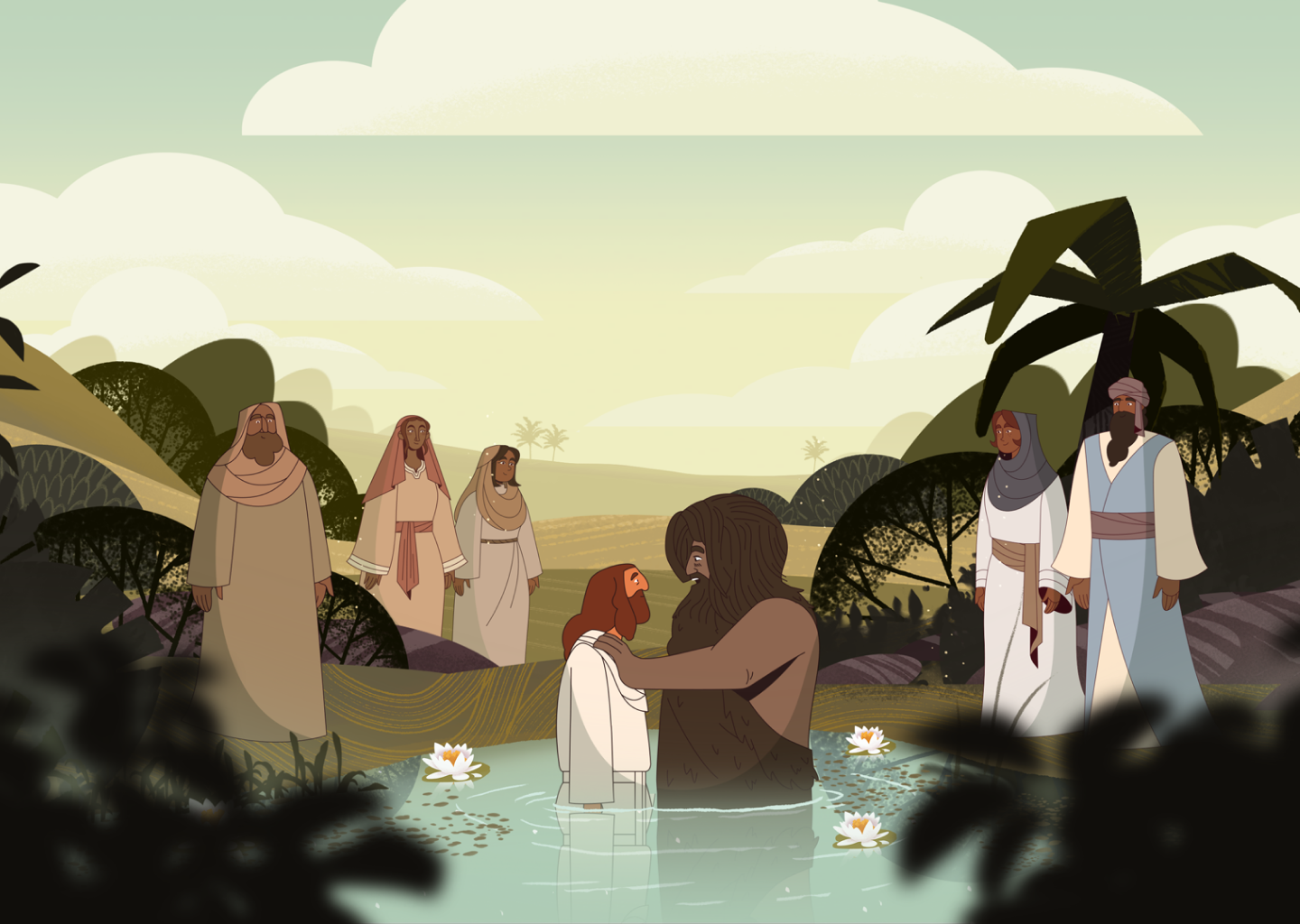
One of our relevant examples is The God's Story, an animated series created for Crossroads Kids' Club.

The project uses animation to present biblical stories to children through recurring visual language and engaging storytelling.

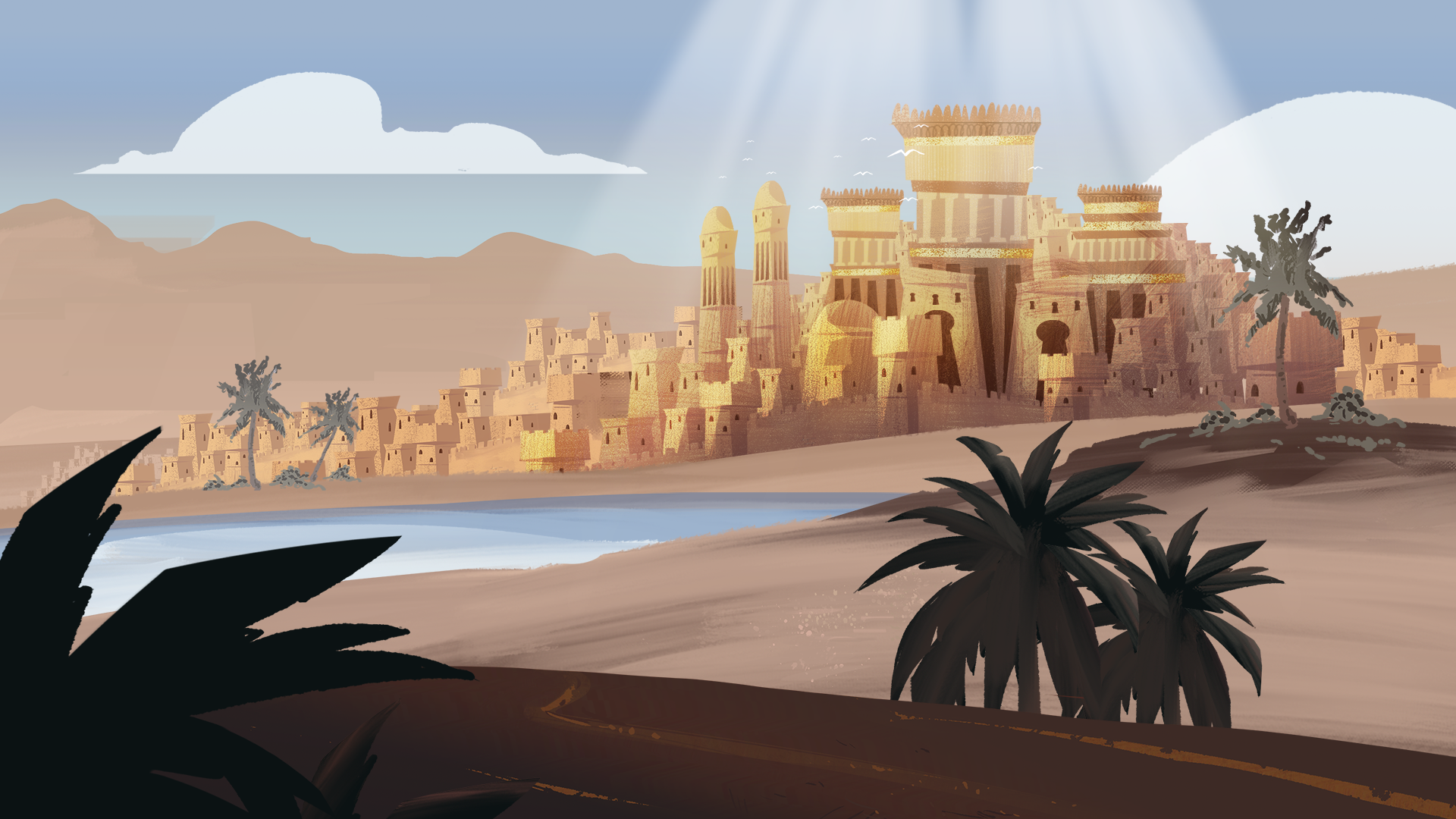
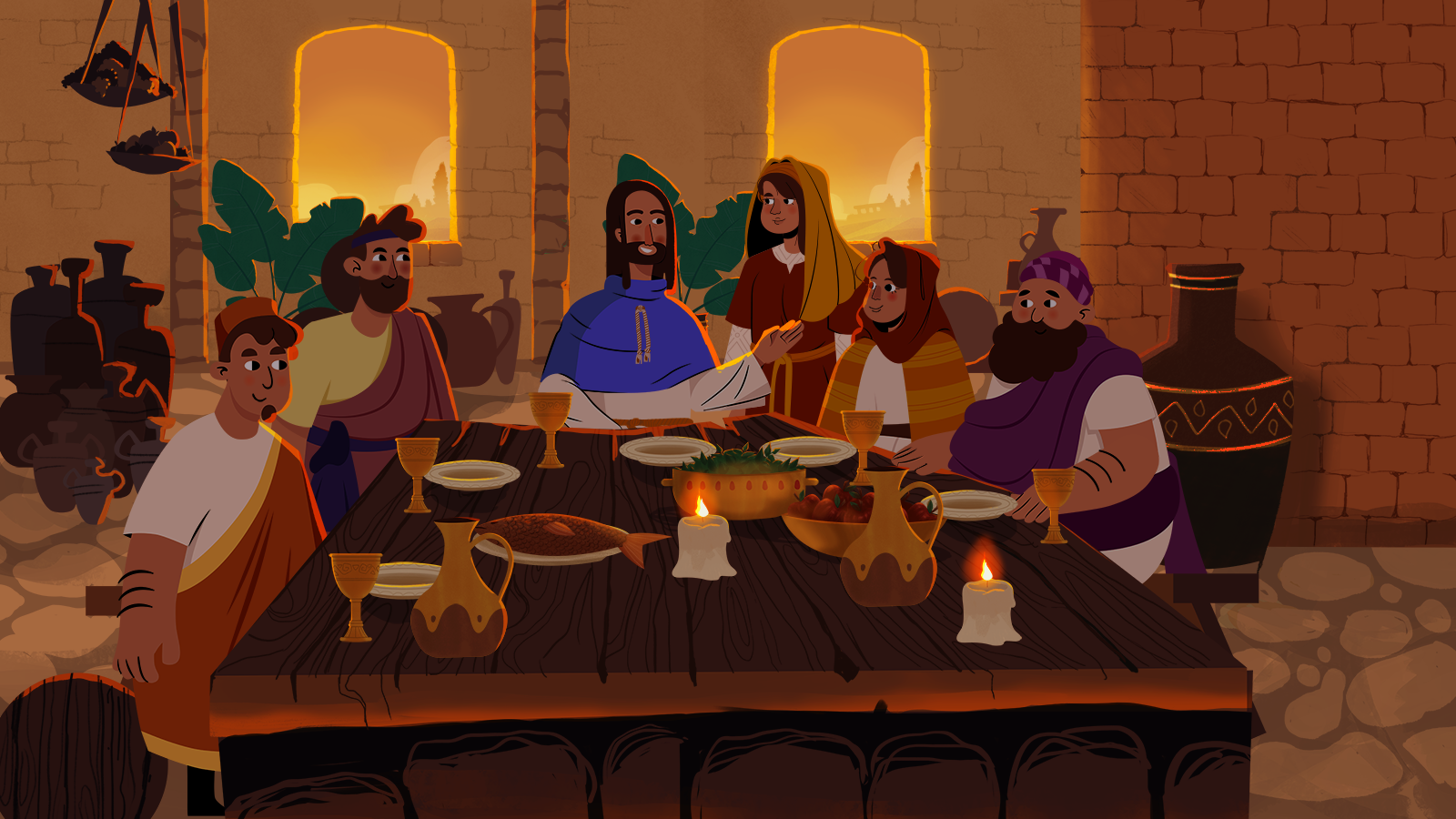
The development of the series included character design, environments, historical research, story development and multiple animation techniques. For Season 2, the production included research into historical characters, clothing and biblical settings.

The team developed new character designs and environments and combined cut-out animation with cel animation and dynamic lighting to create the visual style of the episodes.

The project demonstrates an important principle of serialized production, where proper creative development gives the series and content a longer lifespan. The work invested in the characters, environments, visual language and production pipeline can support subsequent episodes and future development.

For an organization commissioning animated content, this creates a stronger foundation for long-term content production.

From Content Series to Original IP

Serialized content can become the starting point for original intellectual property.

When a series develops its own characters, visual identity, stories and world, those elements can support future productions. A children's animated property might eventually expand into both digital and physical pieces of content, including books, educational materials, games, music pieces, themed-event, websites and mobile apps for interactive experiences.

Animwood works across IP development, animation and digital production, including UX/UI, web and mobile development under the sister company called Appndone.

For churches and Christian organizations, the first step does not need to be building a large franchise.

The first step is creating a strong content concept that can support more than one story.

The Production Process

  1. Start With the Audience and Purpose

Every project starts with the purpose of the content.

Who is the audience?

What should they learn, understand or feel?

Where will they watch the content?

How frequently should new episodes be released?

What role will the content play within the organization's wider communication strategy?

The answers determine the format, length, visual approach and production scope.

2. Develop the Series Format

Before production begins, we establish the foundations of the series.

This can include:

  • Story concept
  • Episode structure
  • Characters
  • Visual language
  • Environments
  • Animation technique
  • Tone and pacing
  • Music and sound
  • Production schedule

The goal is to create a format that can support multiple episodes.

3. Develop the Visual World

Visual development establishes how the series will look.

Character design, environments, props, color language, animation style and composition are developed before full production begins.

For a serialized project, this stage has long-term importance.

The visual assets created during development can become the foundation for an entire season and potentially future seasons.

4. Build the Production Pipeline

Once the creative foundations are established, the production pipeline can be organized around the planned volume of content.

Depending on the project, Animwood can provide:

  • Scriptwriting
  • Story development
  • Art direction
  • Character design
  • Background design
  • Storyboarding
  • Animation
  • Voice-over recording
  • Sound design
  • Original music
  • Compositing
  • Editing
  • Final delivery

Working with a consistent production team helps maintain the visual quality and creative continuity across episodes.

5. Produce in Batches

Serialized content is often most effective when several pieces are planned together.

Instead of developing every episode as a completely separate production, a batch allows the team to establish a repeatable workflow.

For many projects, we recommend starting with approximately five to six longer pieces or around ten smaller pieces.

Larger projects can be organized into batches of eight to ten episodes with scheduled deliveries.

The right production volume depends on the organization's goals, budget, format and publishing schedule.

The objective is to establish a sustainable production rhythm.

How Many Pieces of Content Does a Church Need?

There is no universal number. A church starting a new animated series needs enough content to establish the format and give the audience a reason to return.

For some organizations, that might mean 5–6 longer episodes. For another project, 10 shorter pieces may make more sense. The production schedule can then be built around weekly, biweekly or monthly releases, depending on the organization's needs and distribution strategy.

At Animwood, we take time to have detailed, in-depth conversations about the content itself, its audience, distribution and long-term strategy. We help define which content items are worth producing, how they can work together and how the production can support your organization's goals.

From there, we can help establish the wider framework, including animated films, serialized content, web platforms and mobile applications, creating a connected content ecosystem that gives your organization more ways to reach and engage its audience.

Ready to chat about your idea? You can reach out to us at:

newbusiness@animwood.com

SHARE IT

OUR SERVICES

EXPLAINER
VIDEO

ANIMATED FILMS

ANIMATED
COMMERCIALS

ANIMATED
CONTENT